
Contents
Overview
Sanitary engineering and water treatment, while deeply intertwined, represent distinct yet complementary fields crucial for public health and environmental protection. Sanitary engineering focuses on the broader infrastructure for managing human waste and water, encompassing the design and maintenance of systems like sewers, drainage, and water distribution networks. Water treatment, on the other hand, is a critical component within this infrastructure, specifically concerned with the processes that purify water, removing contaminants to make it safe for consumption or suitable for discharge back into the environment. The former deals with the 'how' of moving and containing water and waste, while the latter addresses the 'what' of making that water clean. Understanding their differences is key to appreciating the complexity of modern utility management, which faces escalating challenges from population growth and climate change.
🎵 Origins & History
The conceptual roots of sanitary engineering and water treatment stretch back to ancient civilizations, with early attempts at public sanitation and water supply evident in Roman aqueducts and Indus Valley drainage systems. Figures like John Snow, whose work in the 19th century laid the groundwork for epidemiological understanding and the need for systematic water purification, and Joseph Bazalgette, who designed comprehensive sewer systems for London, established the foundational principles of sanitary engineering. The development of chlorination in the early 20th century marked a significant leap in water treatment efficacy, dramatically reducing waterborne diseases and solidifying the symbiotic relationship between these two fields.
⚙️ How It Works
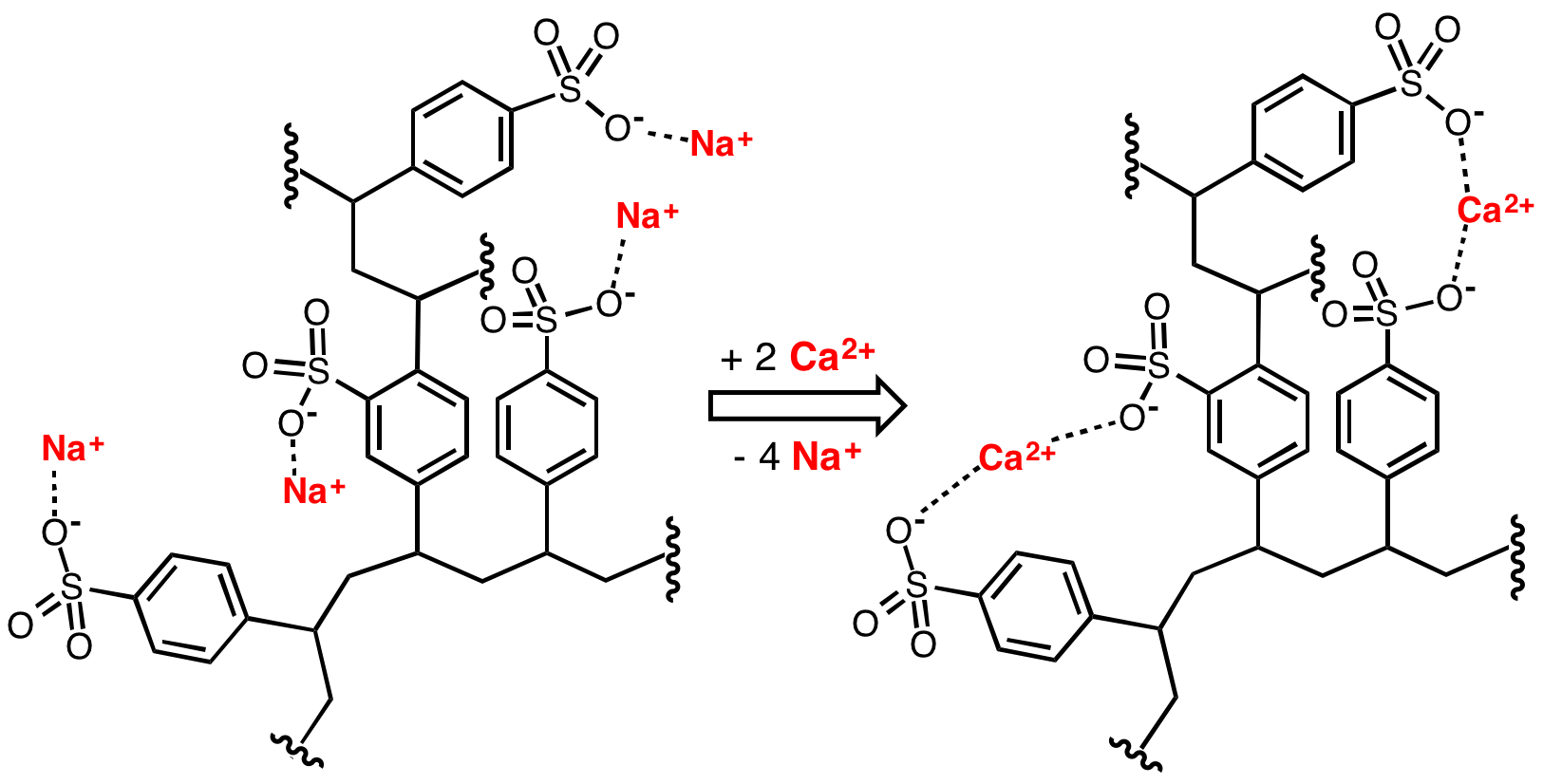
Sanitary engineering is concerned with the design, construction, and operation of public health infrastructure. This includes sewer systems for collecting wastewater, stormwater drainage to prevent flooding, and water distribution networks to deliver potable water. It also encompasses solid waste management and the ventilation of buildings. Water treatment, a subset of sanitary engineering, focuses on the physical, chemical, and biological processes used to remove impurities from water. These processes can include sedimentation and filtration to remove suspended solids, coagulation and flocculation to aggregate smaller particles, disinfection (e.g., via chlorine, UV light, or ozone) to kill pathogens, and advanced treatments like reverse osmosis or ion exchange for desalination or softening. The goal is to meet specific water quality standards for various end uses.
📊 Key Facts & Numbers
Globally, over 2.2 billion people lack access to safely managed drinking water services, according to the WHO and UNICEF. The global water and wastewater treatment market was valued at approximately $600 billion in 2023 and is projected to grow significantly. In the United States alone, the EPA oversees around 150,000 public water systems, serving over 300 million people. The average American consumes about 80-100 gallons of water per day, with a substantial portion used for non-potable purposes like flushing toilets and irrigation. Wastewater treatment plants in developed nations typically remove over 90% of suspended solids and biological pollutants before discharge, though nutrient removal and micropollutant treatment remain areas of active development. The cost of maintaining and upgrading aging infrastructure is staggering, with the American Society of Civil Engineers estimating a $748 billion shortfall for water and wastewater systems in the U.S. over the next 20 years.
👥 Key People & Organizations
Key figures in sanitary engineering include John Snow, whose epidemiological work in the 19th century linked cholera to contaminated water, and Joseph Bazalgette, the chief engineer of London's Metropolitan Board of Works, who designed its extensive sewer system. In water treatment, George Purvis pioneered chlorination as a method for disinfecting water in the early 20th century. Major organizations like the WHO set global drinking water standards, while national bodies such as the EPA in the U.S. and the EEA in Europe establish and enforce regulations. Professional organizations like the Water Environment Federation (WEF) and the American Water Works Association (AWWA) are crucial for advancing research, setting best practices, and training professionals in both fields.
🌍 Cultural Impact & Influence
The successful implementation of sanitary engineering and water treatment has had a profound impact on global public health, dramatically increasing life expectancy and reducing the incidence of waterborne diseases like typhoid fever and dysentery. The availability of clean water and effective waste disposal systems underpins urban development, enabling the growth of large populations and complex economies. Culturally, access to safe water has become a fundamental expectation in many societies, influencing urban planning, housing development, and even leisure activities like swimming and fishing. Conversely, failures in these systems, whether due to aging infrastructure, natural disasters, or inadequate investment, can lead to significant social and economic disruption, as seen in crises like the Flint water crisis or the aftermath of hurricanes impacting municipal services. The aesthetic quality of water, influenced by treatment processes, also plays a role in public perception and trust in utility providers.
⚡ Current State & Latest Developments
Current developments in sanitary engineering and water treatment are largely driven by the need for greater efficiency, sustainability, and resilience. Advanced membrane filtration technologies, including nanofiltration and ultrafiltration, are becoming more prevalent for both potable water production and wastewater reuse. Smart water grids are being implemented, utilizing sensors and data analytics to monitor water quality, detect leaks, and optimize distribution in real-time. The focus on water recycling and reuse is intensifying, particularly in water-scarce regions, with advanced treatment processes enabling the conversion of wastewater into high-quality recycled water for industrial, agricultural, and even potable purposes. Furthermore, there's a growing emphasis on decentralized water systems and nature-based solutions like constructed wetlands for more localized and environmentally integrated treatment.
🤔 Controversies & Debates
A central debate revolves around the optimal balance between centralized and decentralized infrastructure. While large, centralized water treatment plants and sewer networks have historically been the standard, their vulnerability to single points of failure and high operational costs are driving interest in smaller, distributed systems. Another significant controversy concerns the long-term health effects of trace contaminants, such as pharmaceuticals, microplastics, and per- and polyfluoroalkyl substances (PFAS), which are not always effectively removed by conventional treatment methods. The cost of upgrading aging infrastructure versus the public's willingness to pay for improved services is a perennial issue, often pitting public health imperatives against economic realities. Furthermore, the energy intensity of many advanced treatment processes raises questions about their overall environmental footprint and the feasibility of widespread adoption.
🔮 Future Outlook & Predictions
The future of sanitary engineering and water treatment will likely be shaped by increasing water scarcity, climate change impacts (e.g., more extreme floods and droughts), and evolving regulatory landscapes. Expect greater integration of AI and machine learning for predictive maintenance, process optimization, and water quality monitoring. The concept of the circular economy will become more prominent, with a stronger focus on resource recovery from wastewater, including nutrient recovery (like phosphorus and nitrogen) and energy generation through anaerobic digestion. Desalination technologies, particularly those pow
Key Facts
- Category
- science
- Type
- topic