
Contents
Overview
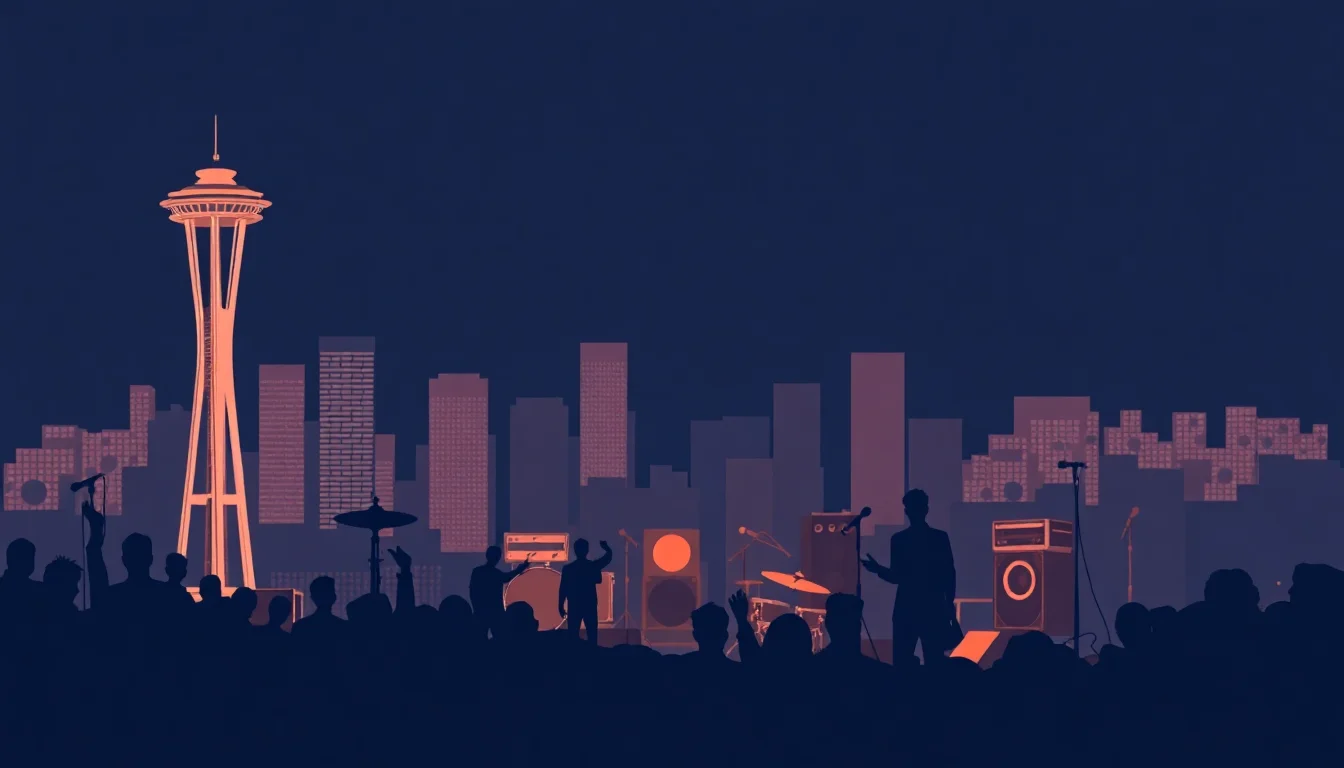
Seattle's musical identity is inextricably linked to the Grunge Movement of the late 80s and early 90s, a raw, distorted sound that put the city on the global map. Bands like Nirvana, Pearl Jam, Soundgarden, and Alice in Chains defined an era, their anthems of alienation and angst resonating worldwide. But to pigeonhole Seattle's music scene solely as grunge is to miss the vibrant, evolving ecosystem that thrives today. From indie folk and electronic to hip-hop and jazz, the city pulses with a diverse sonic energy that honors its past while forging new paths.
📍 Where to Experience It
The heart of Seattle's live music beats across several distinct neighborhoods. Capitol Hill remains a central hub, packed with intimate clubs and larger venues that host everything from emerging local acts to touring indie darlings. The Ballard area offers a slightly more laid-back vibe with a strong showing of folk, Americana, and rock venues. Downtown and the Pike Place Market area also feature performance spaces, often integrated into bars and restaurants, providing a more casual listening experience. Don't overlook Georgetown, a burgeoning arts district with a growing number of DIY spaces and established clubs.
⭐ Key Venues & Their Histories
Iconic venues are the lifeblood of any music city, and Seattle boasts several legendary spots. The Crocodile (often called 'The Croc') has been a launching pad for countless bands, including Nirvana and Pearl Jam, and continues to be a vital stop for touring acts. Neumos is another cornerstone, known for its diverse booking and energetic atmosphere, hosting everything from punk shows to electronic music nights. For a more historic feel, The Showbox at the Market offers a classic setting for a wide range of genres, while smaller, grittier spots like Mudhoney's stomping grounds, The Comet Tavern, provide a glimpse into the scene's underground roots.
💰 What to Expect (Cost-wise)
Attending live music in Seattle can range from surprisingly affordable to a significant investment, depending on the act and venue. Many smaller clubs offer cover charges between $5-$15 for local showcases, making it accessible for budget-conscious music lovers. Mid-tier venues and touring indie bands typically fall in the $20-$50 range. Major headliners at larger arenas like the Climate Pledge Arena can cost upwards of $100-$200 or more. Keep an eye out for happy hour deals or early bird tickets, and remember that most venues have a bar, so factor in drink costs.
🌟 Who's Making Noise Now
While the grunge giants are legends, Seattle's current musical landscape is dynamic. The Black Tones, a garage rock duo, are carrying the torch for raw energy. ODESZA, the electronic music duo, have achieved massive international success, showcasing Seattle's prowess in electronic production. Chastity Belt continues to push boundaries with their indie rock sound. Keep an ear out for artists emerging from the Seattle Hip Hop scene, which is gaining increasing national attention, and the vibrant Seattle Folk Music community, which consistently produces compelling singer-songwriters.
🤔 The Grunge Legacy: Myth vs. Reality
The narrative of grunge as Seattle's sole musical export is a persistent one, often overshadowing the city's broader musical contributions. While bands like Soundgarden and Alice in Chains undeniably shaped a generation, the 'scene' was always more than just flannel shirts and distorted guitars. The romanticized image of the early 90s often glosses over the economic realities and the subsequent evolution of the music industry. Understanding Seattle's music requires looking past the myth to appreciate the ongoing innovation and diversity that followed.
💡 Beyond Rock: Other Seattle Sounds
Seattle's musical tapestry extends far beyond the heavy riffs of grunge. The city has a rich history in Jazz Music, with clubs like The Royal Room continuing that tradition. Its Indie Folk scene is robust, producing artists known for introspective lyrics and intricate arrangements. Furthermore, Seattle has a surprisingly strong Electronic Music presence, from underground techno nights to the global success of acts like ODESZA. The Seattle Hip Hop scene is also a fertile ground for creativity, with artists blending local flavor with global trends.
🚀 Future Sounds: What's Next?
The future of Seattle's music scene looks as eclectic as its present. Expect continued growth in electronic music and hip-hop, genres that thrive in digitally connected urban environments. The DIY ethos that fueled grunge's early days is likely to persist, fostering new experimental sounds in independent venues and artist-run spaces. As the city's demographics shift and its creative industries evolve, so too will its soundtrack. The question isn't whether Seattle will produce another globally dominant genre, but rather what unexpected sounds will emerge from its ever-changing cultural crucible.
Section 9
Getting a feel for the Seattle music scene is best done by immersing yourself. Check out local listings for The Stranger's music section or KEXP-FM's website for daily show information. Many venues offer advance ticket sales online, so plan ahead for popular shows. For a truly local experience, consider attending a show at a smaller, neighborhood venue where you can often discover your next favorite band. Don't be afraid to strike up conversations with other music fans; the Seattle scene is generally welcoming to newcomers eager to explore its sonic depths.
Section 10
To truly connect with Seattle's music, start by exploring its foundational venues and current tastemakers. Visit the websites of Neumos, The Crocodile, and The Showbox at the Market to see their upcoming schedules. Follow local radio station KEXP-FM on social media for daily updates and artist spotlights. Consider attending a show at a smaller venue like The Tractor Tavern in Ballard for a more intimate experience. Engaging with the local music press, such as The Stranger, will also provide invaluable insights into emerging artists and ongoing trends.
Key Facts
- Year
- 1980
- Origin
- Seattle, Washington, USA
- Category
- Music
- Type
- Music Scene
Frequently Asked Questions
What is the best time of year to visit Seattle for live music?
Seattle's live music scene is active year-round, but the summer months (June-August) often feature more outdoor festivals and events, alongside the usual indoor programming. Fall and spring can be excellent for catching touring acts before or after major festival seasons. Winter offers a cozy atmosphere for intimate club shows.
Are there any free live music options in Seattle?
Yes, while not as common for major acts, you can often find free live music at bars, restaurants, and during special events like the Fremont Sunday Market or occasional park concerts. KEXP-FM also hosts free in-studio performances that are sometimes open to the public or streamed online.
How do I find out about local bands playing tonight?
Your best bet is to check the websites of local venues like Neumos, The Crocodile, and The Tractor Tavern. The Stranger's 'Music' section is also a comprehensive resource for daily listings. Following venues and local promoters on social media can also provide real-time updates.
Is Seattle's music scene still dominated by grunge?
While the Grunge Movement is a crucial part of Seattle's musical history and its legacy is still felt, the scene is far more diverse today. You'll find thriving communities in indie folk, hip-hop, electronic music, and various other genres. Grunge bands still play, but they are part of a much larger musical ecosystem.
What's the difference between venues like The Crocodile and Neumos?
The Crocodile is generally known for its more intimate, historic setting and often features emerging indie bands, established local acts, and a grittier vibe. Neumos, on the other hand, is a larger venue that hosts a wider range of genres, from national touring indie acts and electronic artists to punk and hip-hop shows, often with a more polished production.
Are there music schools or programs in Seattle?
Yes, Seattle has several institutions offering music education. The University of Washington School of Music is a prominent academic program. There are also numerous private music schools and community programs focused on various instruments and genres, catering to all ages and skill levels.