
Contents
Overview
Seed saving collectives are grassroots organizations dedicated to the preservation, propagation, and distribution of open-pollinated and heirloom plant varieties. These groups emerge as a vital counterpoint to the dominance of a few multinational corporations in the global seed market, which often restricts access to seeds through patents and intellectual property laws. By pooling resources, knowledge, and genetic material, collectives empower gardeners, farmers, and communities to maintain control over their food systems and preserve agricultural biodiversity. They function as living libraries, ensuring that unique and locally adapted plant varieties, often with rich historical and cultural significance, are not lost to modern industrial agriculture or genetic erosion. The movement spans continents, with initiatives ranging from small, hyper-local seed swaps to larger, more formalized organizations with extensive seed banks and educational programs.
🎵 Origins & History
The practice of seed saving is as old as agriculture itself, with communities historically sharing and maintaining their own seed stocks. The formalization of seed saving began to coalesce around concerns about genetic erosion and the loss of traditional varieties. Organizations like Garden Organic in the UK, established in 1977, played a crucial role by creating the Heritage Seed Library to actively preserve heirloom seeds. Early efforts recognized that seed banks alone were insufficient and that active community participation was essential for true preservation.
⚙️ How It Works
Seed saving collectives operate on principles of shared stewardship and open access to genetic resources. At their core, they facilitate the exchange of seeds among members, often through organized seed swaps, online platforms, or physical seed libraries. Members typically agree to save seeds from open-pollinated varieties (as opposed to hybrids, which do not breed true) and to share them back into the collective, ensuring a continuous cycle of propagation and availability. Many collectives also engage in educational activities, teaching members the techniques of seed saving, plant identification, and varietal selection. Some larger collectives maintain formal seed banks, meticulously cataloging and storing seeds under controlled conditions to ensure long-term viability, while smaller groups might operate on a more informal, community-based model where seeds are circulated directly among gardeners. The emphasis is on maintaining genetic diversity and adapting varieties to local growing conditions, fostering resilience in food systems.
📊 Key Facts & Numbers
The economic impact of the genetic diversity preserved by seed saving collectives is hard to quantify directly, but it is immeasurable, potentially worth billions in future agricultural innovation and food security. For instance, a single heirloom tomato variety might possess unique disease resistance or flavor profiles that could be crucial for adapting to future climate challenges.
👥 Key People & Organizations
Key figures in the seed saving movement include Will Horowitz, author of "The Vegetable Gardener's Guide to Seed Saving," who has brought modern, accessible knowledge to a new generation of growers. Organizations like the Native Seeds/SEARCH in the American Southwest focus on preserving the agricultural heritage of arid regions, working with indigenous communities. The International Union for Conservation of Nature (IUCN) and the Food and Agriculture Organization of the United Nations (FAO) also recognize the critical role of such collectives in global food security and biodiversity conservation, though their direct operational involvement is often limited compared to grassroots efforts.
🌍 Cultural Impact & Influence
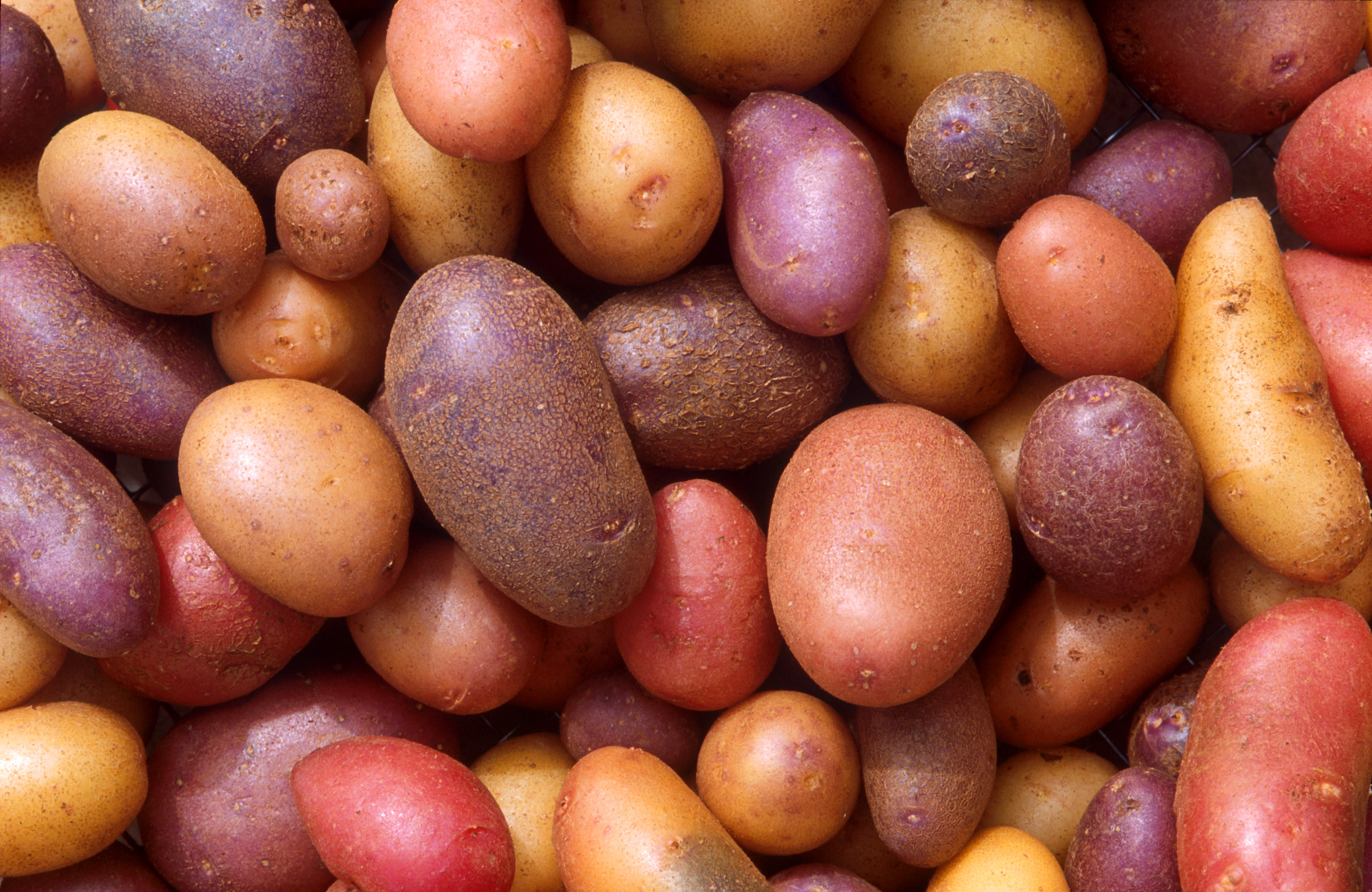
Seed saving collectives have profoundly influenced contemporary gardening, sustainable agriculture, and food culture. They have popularized the concept of heirloom varieties, shifting consumer perception from mere utility to appreciating taste, history, and provenance. This has fueled demand for unique produce in farmers' markets and restaurants, creating economic opportunities for small-scale farmers. The movement has also fostered a deeper understanding of agricultural history and the cultural significance of specific plant varieties, often tied to ethnic heritage or local traditions. Furthermore, these collectives have become educational hubs, empowering individuals with the knowledge to participate directly in their food system, thereby promoting food sovereignty and resilience. The aesthetic appeal of heirloom vegetables, with their diverse shapes, colors, and textures, has also found its way into art, photography, and culinary media, elevating their cultural status beyond mere sustenance.
⚡ Current State & Latest Developments
Online platforms and social media have significantly amplified the reach of seed saving collectives, connecting geographically dispersed individuals and facilitating digital seed exchanges. Many collectives are now integrating advanced techniques, such as DNA barcoding for accurate varietal identification and cryopreservation for long-term storage, alongside traditional methods. There's also a notable trend towards greater collaboration between formal seed banks and grassroots collectives, recognizing the complementary strengths of each. Initiatives are increasingly focusing on preserving not just seeds, but also the associated knowledge and cultural practices, often working with indigenous communities and marginalized groups to document and revitalize traditional farming systems. The Svalbard Global Seed Vault continues to serve as a crucial backup, but the emphasis is increasingly on maintaining living, diverse populations in active cultivation.
🤔 Controversies & Debates
The primary controversy surrounding seed saving collectives centers on intellectual property rights and the legal status of saving and sharing seeds. In many countries, particularly under agreements like the TRIPS Agreement, patented seeds cannot be legally saved or shared by farmers without licensing agreements, a practice that directly conflicts with the ethos of seed saving collectives. Critics argue that the open-source nature of these collectives undermines the business models of seed companies that invest heavily in research and development. Conversely, proponents of seed saving collectives argue that biodiversity is a common heritage and that corporate control over seeds threatens food security and farmer autonomy. Debates also arise regarding the purity and genetic integrity of seeds shared within collectives, with concerns about accidental cross-pollination or misidentification leading to the dilution of specific varieties. The definition of 'heirloom' itself can be contentious, with varying criteria applied across different groups.
🔮 Future Outlook & Predictions
The future of seed saving collectives appears robust, driven by an intensifying global dialogue on food security, biodiversity, and sustainable agriculture. We can anticipate a greater integration of digital technologies, including blockchain for transparent seed tracking and AI for varietal identification and predictive breeding. Expect to see more formalized partnerships between c
💡 Practical Applications
Seed saving collectives offer practical applications in promoting food security, enhancing agricultural resilience, and preserving cultural heritage. They provide a decentralized system for maintaining a wide array of plant genetic resources, which can be crucial for adapting to changing environmental conditions and disease outbreaks. By empowering individuals and communities with the knowledge and resources to save their own seeds, collectives foster greater self-sufficiency and reduce reliance on commercial seed suppliers. This is particularly important for smallholder farmers and gardeners who may have limited access to expensive, patented seeds. Furthermore, the preservation of heirloom varieties through these collectives supports local food systems and culinary traditions, contributing to a richer and more diverse food landscape.
Key Facts
- Category
- movements
- Type
- topic