
Contents
Overview
The concept of supporting a horizontal surface dates back to antiquity, with early civilizations using rudimentary wooden pegs and stone ledges. The recognizable L-shaped bracket, a staple of modern hardware, likely emerged with advancements in metalworking, allowing for more robust and standardized supports. By the late 19th century, with the rise of mass production and industrialization, metal shelf brackets became common household items, often featured in catalogs from companies like Sears, Roebuck & Co. and Montgomery Ward. Early designs were purely functional, prioritizing load-bearing capacity over aesthetics. The Arts and Crafts movement, however, saw the introduction of more decorative, hand-forged iron brackets, emphasizing craftsmanship and natural forms, as exemplified by designers like Gustav Stickley. This period marked the beginning of shelf brackets as elements that could contribute to interior design, not just structural necessity.
⚙️ How They Work
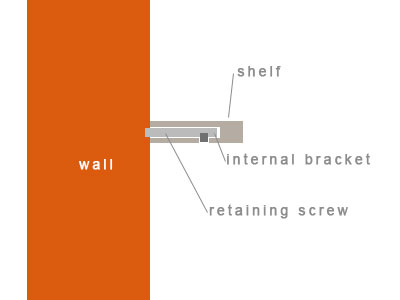
Shelf brackets function by transferring the load of a shelf and its contents to a supporting wall or structure. Typically, one leg of the bracket is securely fastened to the wall using screws and anchors appropriate for the wall material (e.g., drywall anchors, lag bolts for studs, masonry anchors). The other leg extends horizontally, providing a platform onto which the shelf rests. The strength and stability of the system depend on the bracket's material, thickness, design (e.g., triangular support, gussets for added rigidity), and the quality of the wall mounting. Specialized brackets, like floating shelf hardware, employ concealed rods or plates that insert into the shelf itself, creating a seamless appearance by hiding all visible support mechanisms. The physics involve simple leverage and load distribution, ensuring the wall can withstand the combined forces exerted by the bracket and the supported weight.
📊 Key Facts & Numbers
The global market for shelving and racking systems, a sector intrinsically linked to shelf brackets, is substantial. Industrial-grade brackets are designed for heavy loads in warehouses and factories. Decorative brackets for residential use vary in their support capabilities. The sheer volume of production is staggering; major hardware retailers like The Home Depot and Lowe's stock millions of individual brackets annually. The cost of basic metal brackets can be quite low, while custom-designed or high-end decorative brackets can command higher prices.
👥 Key People & Organizations
While no single inventor is credited with the shelf bracket, its evolution is tied to the development of hardware manufacturing. Key organizations in its widespread adoption include major hardware manufacturers and distributors like Stanley Black & Decker, HNI Corporation (parent of HON Furniture), and IKEA, which integrates bracket systems into its furniture. Retail giants like Amazon.com and Walmart have become massive distribution channels, making a vast array of bracket types accessible globally. Design historians and interior designers, such as Joanna Gaines (known for popularizing farmhouse aesthetics that often feature decorative brackets), also play a role in shaping aesthetic trends for these components.
🌍 Cultural Impact & Influence
Shelf brackets have moved beyond mere utility to become significant design elements in interior decorating. They are integral to the popularization of the industrial design aesthetic, often seen with exposed brick and metal. The rise of the DIY culture has further amplified their presence, with countless online tutorials and blogs showcasing creative uses of brackets, from simple bookshelves to elaborate wall-mounted furniture. In retail environments, specialized brackets are crucial for product display, influencing consumer purchasing decisions through presentation. The ubiquity of shelves, and by extension brackets, in media — from home renovation shows to movie set designs — has cemented their place in our visual culture, often symbolizing organization, domesticity, or a curated personal space.
⚡ Current State & Latest Developments
The current market sees a strong trend towards minimalist and concealed bracket systems, driven by the popularity of minimalist architecture and the desire for clean lines. Manufacturers are increasingly using advanced materials like high-strength aluminum alloys and reinforced polymers for lighter yet stronger options. Smart home integration is also emerging, with some high-end shelving systems incorporating LED lighting or even sensors, all supported by sophisticated bracketry. The demand for sustainable materials is growing, leading to more brackets made from recycled metals or responsibly sourced wood. Furthermore, 3D printing technology is beginning to enable highly customized, on-demand bracket designs for niche applications or bespoke interior projects.
🤔 Controversies & Debates
One ongoing debate centers on the true load-bearing capacity of brackets, especially when installed in non-standard wall types or by inexperienced DIYers. There are calls for greater use of recycled materials in bracket manufacturing and more energy-efficient manufacturing processes. The aesthetic debate continues between purely functional, utilitarian brackets and highly decorative ones, with some interior designers arguing that overly ornate brackets can detract from the displayed items rather than enhance them. The proliferation of cheap, low-quality imports also raises concerns about product safety and durability.
🔮 Future Outlook & Predictions
The future of shelf brackets will likely involve greater integration with smart home technology, potentially including sensors for weight monitoring or automated adjustment. Advances in material science could lead to even lighter, stronger, and more sustainable options, perhaps incorporating self-healing properties or advanced corrosion resistance. We can expect to see more modular and adaptable bracket systems that allow for easy reconfiguration of shelving layouts. The influence of parametric design and computational design may lead to bracket forms that are not only structurally optimized but also aesthetically unique and algorithmically generated. Expect a continued push towards concealed systems and designs that blur the line between structural support and sculptural art.
💡 Practical Applications
Shelf brackets are indispensable in countless practical applications. In residential settings, they support bookshelves, kitchen cabinets, bathroom vanities, and decorative wall displays. In commercial spaces, they are critical for retail shelving, restaurant kitchens, office storage, and display fixtures. Industrial environments rely on heavy-duty brackets for warehouse racking, garage storage, and supporting heavy machinery components. They are also used in specialized fields like museum display systems, laboratory shelving, and even in the construction of temporary structures. The versatility of shelf brackets means they are found in virtually every built environment, adapting to specific needs for load capacity, material compatibility, and aesthetic integration.
Key Facts
- Category
- technology
- Type
- topic