
Contents
Overview
The concept of supporting shelves has roots stretching back to antiquity, where simple wooden pegs or stone ledges were employed to create storage. Early furniture often featured fixed shelves integrated into cabinets, relying on the structural integrity of the wood itself. The advent of metalworking allowed for more robust solutions, with early forms of brackets appearing in historical architecture and furniture. The L-shaped shelf bracket gained prominence during the Industrial Revolution as mass production techniques made metal hardware more accessible. These early brackets were primarily functional, prioritizing load-bearing capacity over aesthetics. The development of adjustable shelving systems in the mid-20th century, particularly those utilizing shelf pins and slotted standards, marked a significant evolution, offering unprecedented flexibility in storage configurations.
⚙️ How It Works
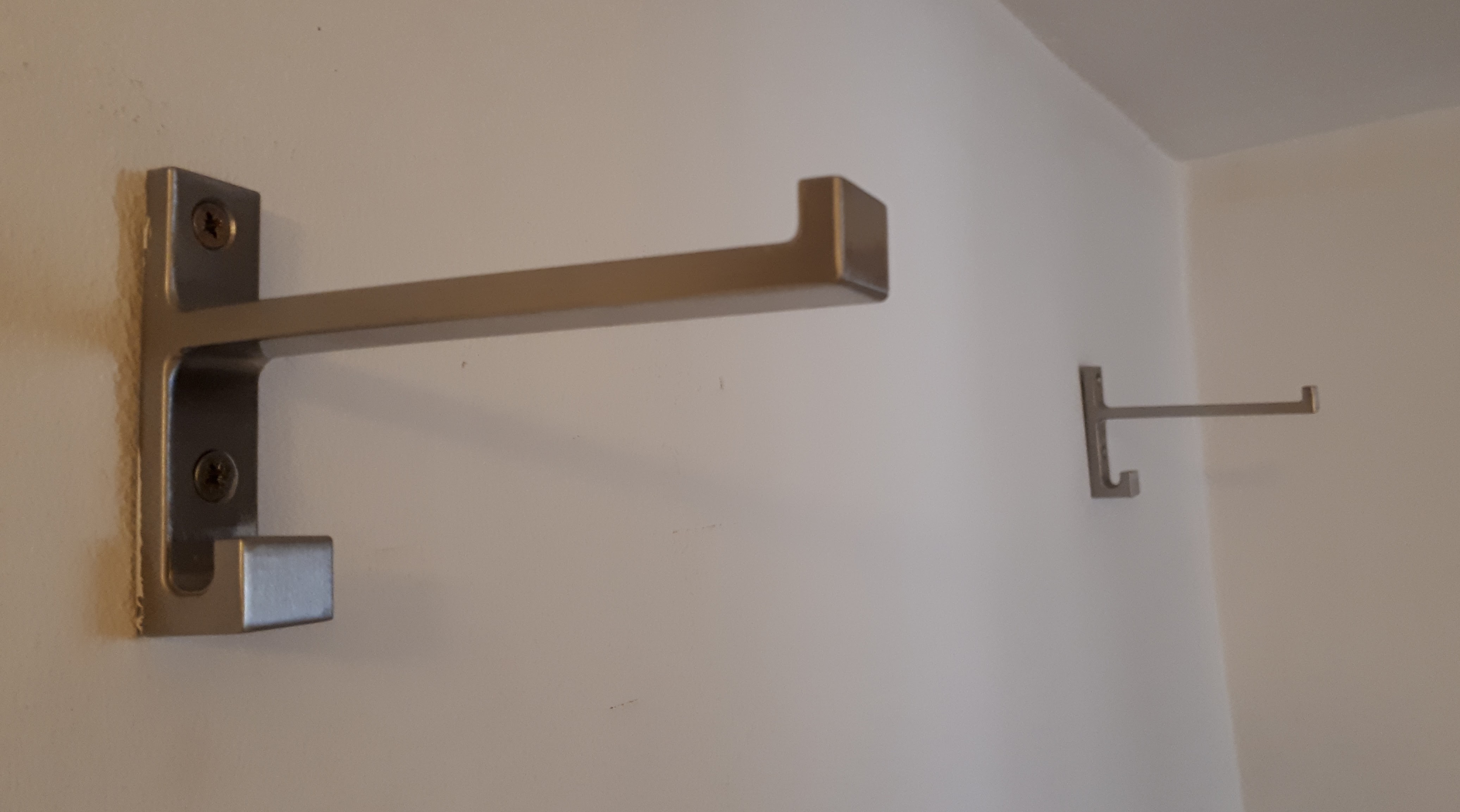
Shelf supports function by transferring the load of a shelf and its contents to a supporting structure, typically a wall or a cabinet interior. For wall-mounted shelf brackets, the support is usually screwed into wall studs or secured with appropriate anchors for drywall, distributing the weight across a wider area. Cabinet shelf supports, often in the form of shelf pins or pegs, are inserted into pre-drilled holes in the cabinet's side panels. These pins create a stable platform for shelves, allowing for easy adjustment by simply moving the pins to different hole positions. The design of the support—its material, thickness, and mounting method—dictates its weight capacity, ensuring safe and stable storage.
📊 Key Facts & Numbers
The global market for shelving hardware, including shelf supports, is substantial, reflecting their essential role in both domestic and commercial environments. Heavy-duty shelf brackets can often support upwards of 100 pounds (approximately 45 kg) per pair, while specialized industrial supports can bear thousands of pounds. The average cost of a pair of basic L-shaped shelf brackets can range from $5 to $20, whereas sophisticated adjustable shelving systems can cost hundreds or even thousands of dollars. Over 500 million units of shelf pins are manufactured globally each year to meet demand from furniture makers and DIY enthusiasts.
👥 Key People & Organizations
While no single inventor is credited with the shelf support, key figures and organizations have shaped its evolution. Companies like Knape & Vogt became instrumental in popularizing adjustable shelving systems and their associated supports in North America. IKEA, the Swedish furniture giant, has made shelf supports an integral part of its modular furniture designs, influencing global trends in home storage solutions. Manufacturers like Blueline Inc. and Richelieu Hardware are major suppliers of various shelf support systems to the furniture and construction industries. In the DIY space, platforms like YouTube host countless tutorials featuring innovative uses of shelf supports by creators such as Steve Ramsey of Woodworking for Mere Mortals.
🌍 Cultural Impact & Influence
Shelf supports are fundamental to the cultural practice of organizing and displaying possessions. They enable the creation of personalized spaces, from the curated bookshelves in a home library to the functional displays in retail environments. The aesthetic integration of shelf supports has also become a significant aspect of interior design, with minimalist brackets and hidden supports becoming increasingly popular. In commercial settings, efficient shelving systems, powered by robust supports, are crucial for inventory management and customer experience, impacting everything from grocery store layouts to warehouse logistics. The ubiquitous presence of shelves, and by extension shelf supports, in homes and businesses worldwide underscores their profound, albeit often unnoticed, impact on daily life and commerce.
⚡ Current State & Latest Developments
The current landscape of shelf supports is characterized by an increasing emphasis on sleek design, enhanced durability, and smart integration. Manufacturers are developing ultra-thin, minimalist brackets that virtually disappear against the wall, catering to modern interior design trends. Advanced materials, such as high-strength aluminum alloys and reinforced polymers, are being employed to increase load capacities while reducing weight. Furthermore, there's a growing interest in integrated lighting and smart features within shelving systems, where the supports themselves might house LED strips or sensors. Companies like Häfele are at the forefront of offering sophisticated, integrated hardware solutions for the furniture industry, including advanced shelf support mechanisms.
🤔 Controversies & Debates
A persistent debate revolves around the trade-off between aesthetic appeal and load-bearing capacity. While minimalist and hidden shelf supports are highly desirable for their visual discretion, they often come with lower weight limits compared to more traditional, robust brackets. This creates a tension for consumers who need to store heavy items but prefer a clean, uncluttered look. Another point of contention is the environmental impact of manufacturing and disposal, particularly for plastic shelf pins. Critics argue for more sustainable materials and designs, while manufacturers emphasize durability and cost-effectiveness. The proper installation and anchoring of shelf supports also remain a point of concern, with DIY failures leading to accidents and property damage, sparking discussions about standardized installation guidelines and consumer education.
🔮 Future Outlook & Predictions
The future of shelf supports points towards greater integration with smart home technology and advanced material science. We can anticipate the development of 'smart' shelf supports capable of monitoring weight distribution, detecting shelf instability, or even communicating with home inventory systems. The use of self-healing materials or advanced composites could lead to supports that are lighter, stronger, and more resilient than current offerings. Furthermore, 3D printing technology may enable on-demand, customized shelf supports tailored to specific aesthetic and structural needs, potentially disrupting traditional manufacturing models. The drive for sustainability will likely push for more recycled and biodegradable materials in their construction.
💡 Practical Applications
Shelf supports are indispensable in a myriad of practical applications. In homes, they are used for mounting bookshelves, kitchen cabinets, bathroom vanities, and decorative wall shelves. In commercial spaces, they form the backbone of retail display units, restaurant shelving, and industrial storage racks. In garages and workshops, heavy-duty brackets support tool storage and workbench surfaces. Even in specialized environments like laboratories, they are crucial for holding scientific equipment and supplies. The choice of support—whether a simple angle bracket for a picture frame or a robust industrial shelving system for a warehouse—is dictated by the specific load, environment, and desired aesthetic.
Key Facts
- Category
- technology
- Type
- topic