
Contents
Overview
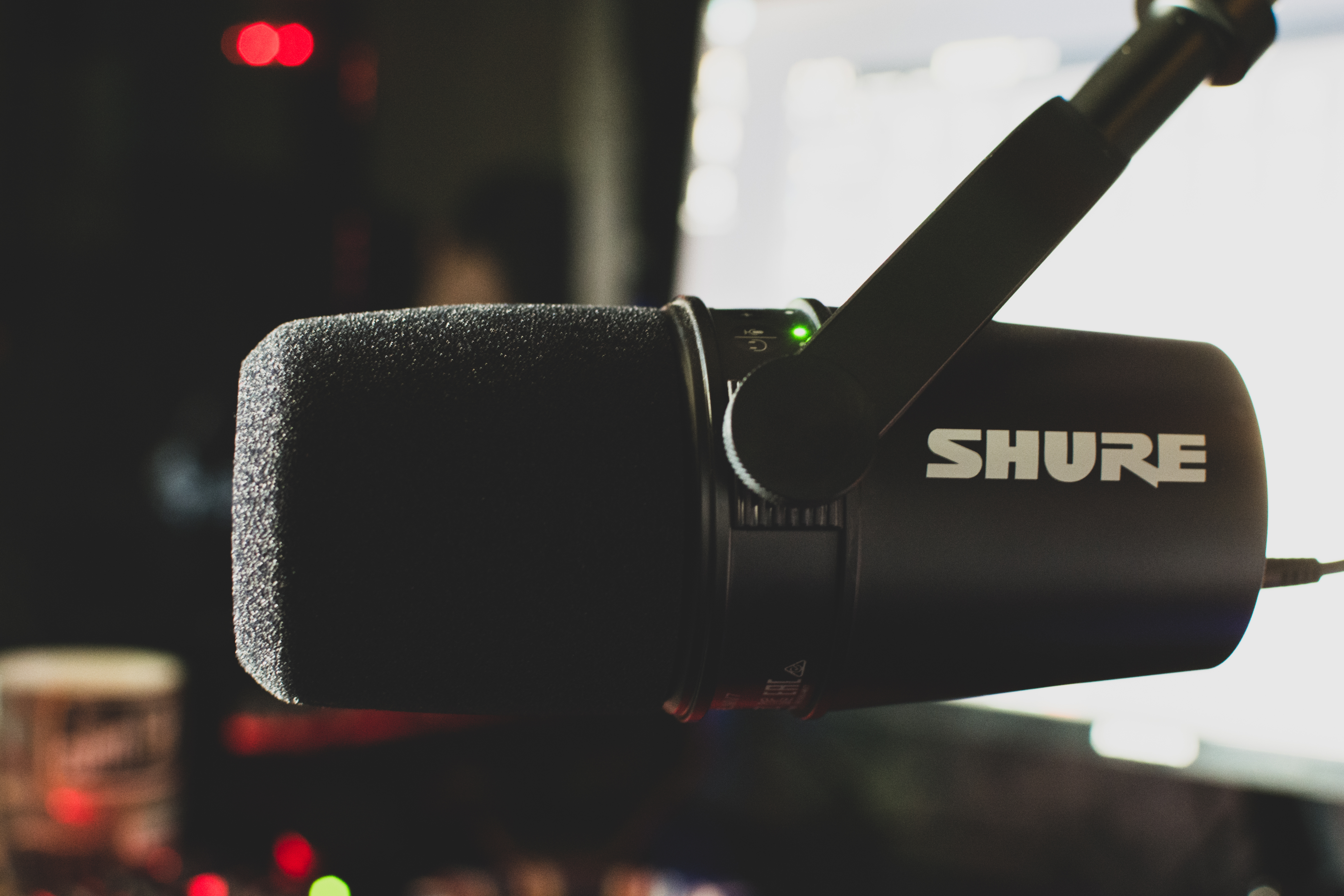
The Shure MV7 was conceived as a modern, accessible interpretation of their legendary Shure SM7B microphone. While the SM7B required significant gain from high-end preamplifiers, the MV7 was engineered to provide a similar broadcast-quality sound through a more direct, user-friendly digital interface. This strategic re-imagining aimed to capture the burgeoning market of content creators who desired professional audio without the complex signal chains previously required, effectively bringing a piece of broadcast heritage to the desktop.
⚙️ How It Works
At its core, the MV7 is a cardioid dynamic microphone, meaning it primarily captures sound from the front, rejecting ambient noise from the sides and rear. Its dual-mode connectivity is its defining feature: a USB-A/USB-C port allows direct connection to computers and mobile devices (iOS and Android), enabling plug-and-play operation. This USB connection unlocks the full potential of the Shure Motiv app, which offers features like auto-level mode, touch panel controls for gain and headphone monitoring, and EQ presets. Alternatively, the integrated XLR output connects to traditional audio interfaces, mixers, or preamplifiers, offering a pathway for users who prefer analog workflows or require integration into larger studio setups. Both connections can be used simultaneously, allowing for a backup recording or complex routing.
📊 Key Facts & Numbers
The Shure MV7 boasts a frequency response tailored for voice, with a slight presence boost around 3-6 kHz. The microphone itself weighs approximately 1.2 pounds (550 grams) and measures 6.4 inches (163 mm) in length. Its MSRP at launch was $249 USD, positioning it as a premium yet accessible option in the creator microphone market.
👥 Key People & Organizations
The development of the Shure MV7 was spearheaded by Shure's product development teams, building upon decades of expertise in microphone design. While specific lead engineers are not publicly highlighted, the project undoubtedly involved collaboration between audio engineers, software developers for the Motiv app, and marketing strategists at Shure Incorporated. The microphone's success has also been amplified by endorsements and reviews from prominent tech publications and numerous influential YouTubers and podcasters, such as Marques Brownlee, who have showcased its capabilities to millions.
🌍 Cultural Impact & Influence
The Shure MV7 has significantly impacted the creator economy by lowering the barrier to entry for professional-sounding audio. Its ability to mimic the sonic characteristics of the revered Shure SM7B at a more accessible price point made it an instant favorite for aspiring podcasters and streamers. The dual USB/XLR connectivity offered unprecedented flexibility, allowing users to upgrade their setup incrementally. This has fostered a generation of content creators with higher audio fidelity, influencing viewer expectations and pushing competitors to innovate in the mid-tier microphone market. Its presence is now ubiquitous in home studios and streaming setups worldwide.
⚡ Current State & Latest Developments
As of early 2024, the Shure MV7 remains a top-selling microphone in its category, consistently appearing on "best of" lists for podcasting and streaming gear. Shure continues to support the Motiv app with updates, enhancing features and compatibility with new operating systems and devices. Recent firmware updates have focused on improving auto-level mode performance and expanding integration options. While no direct successor has been announced, Shure's ongoing commitment to the creator market suggests continued evolution of their hybrid microphone offerings, potentially building on the MV7's success with future iterations or complementary products.
🤔 Controversies & Debates
A primary point of contention surrounding the MV7 revolves around its 'auto-level' mode. While lauded by beginners for its simplicity, some seasoned audio engineers criticize it for being overly aggressive or limiting manual control, arguing it can sometimes compress dynamics in undesirable ways. Another debate centers on its comparison to the Shure SM7B; while the MV7 offers convenience, purists argue it doesn't fully replicate the SM7B's nuanced sound profile or its ability to handle extreme SPLs without distortion when paired with the right preamps. Furthermore, the reliance on the proprietary Motiv app for advanced features via USB has led to discussions about vendor lock-in, though the XLR option mitigates this concern for professional users.
🔮 Future Outlook & Predictions
The future for hybrid microphones like the Shure MV7 appears robust. As the creator economy continues to expand, demand for versatile, high-quality audio tools will only increase. We can anticipate future iterations potentially offering higher sample rates or bit depths via USB, improved onboard DSP for more sophisticated real-time processing, and perhaps even wireless connectivity options. Competitors like Rode Microphones and Blue Microphones are also pushing boundaries in this space, suggesting a continued arms race in features and performance. The MV7's success has firmly established the hybrid model as a viable and desirable product category for years to come.
💡 Practical Applications
The Shure MV7 finds extensive use across various audio production scenarios. Its primary application is for podcasting, where its voice-centric design and noise rejection are invaluable. It's also a popular choice for live-streaming on platforms like Twitch and YouTube, ensuring clear vocal delivery during gameplay or commentary. Home studio musicians utilize it for vocal tracking, voiceovers, and even instrument recording where a dynamic microphone's characteristics are desired. Its portability and USB connectivity make it ideal for remote interviews, on-the-go content creation, and educational settings requiring straightforward audio setup. The XLR output also allows it to integrate seamlessly into professional broadcast studios and music production environments.
Key Facts
- Category
- technology
- Type
- product