
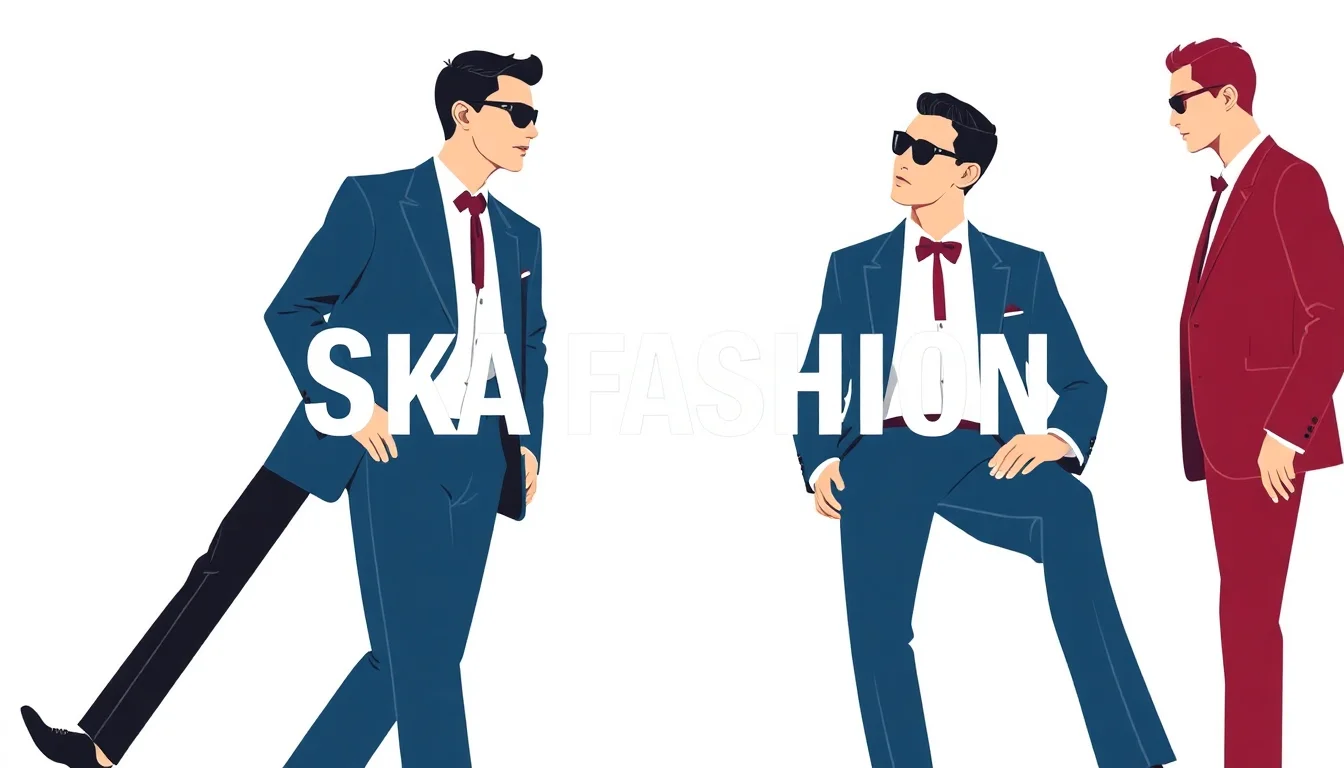
Contents
Overview
Ska emerged in Jamaica in the late 1950s, blending Caribbean mento and calypso with American jazz and rhythm and blues. It laid the groundwork for reggae and was integral to the Jamaican music scene. The genre exploded in popularity during the 1960s, especially with bands like The Skatalites and artists such as Toots and the Maytals. Ska has since experienced several revivals, most notably in the 1980s with the two-tone movement in the UK, which fused traditional ska with punk influences, featuring bands like Madness and The Specials.
🎬 Behind the Scenes
The roots of ska can be traced back to the late 1950s in Jamaica, where it emerged as a distinct musical genre. Early ska was marked by its upbeat tempo and rhythmic guitar strumming, drawing influences from traditional Caribbean sounds and American jazz. Pioneers like The Skatalites not only defined the sound but also set a precedent for future genres like reggae and rocksteady. This period served as a cultural response to the socio-political climate of Jamaica, giving rise to a musical rebellion.
📖 The Story
Ska's infectious rhythms and horns became synonymous with the Jamaican dancehall scene, leading to its international spread. The genre's popularity surged in the 1960s, particularly with tracks like My Boy Lollipop by Millie Small, which introduced ska to a broader audience. As ska evolved, it laid the foundation for various subgenres, including rocksteady and reggae, while maintaining its distinctive upbeat vibe and social commentary.
🏆 Reception & Impact
By the late 1970s and early 1980s, ska experienced a revival in the UK with the two-tone movement, blending Jamaican ska with punk rock. Bands like The Specials and Madness brought ska to the forefront of British youth culture, addressing themes of racial unity and political discontent. This resurgence not only influenced British music but also resonated with global audiences, resulting in a renewed interest in ska that persists today.
✨ Legacy & Influence
Ska's legacy continues to inspire artists across genres, from punk to pop. Its influence can be seen in contemporary acts like Less Than Jake and Reel Big Fish, who blend ska elements with modern sounds. The genre remains a vital part of the music landscape, with festivals dedicated to ska music celebrating its rich history and dynamic future.
Key Facts
- Year
- 1950s-present
- Origin
- Jamaica
- Category
- videos
- Type
- youtube-creator
Frequently Asked Questions
What are the characteristics of ska music?
Ska is defined by its upbeat tempo, offbeat guitar strumming, and prominent brass instruments.
Who are some famous ska artists?
Notable ska artists include The Skatalites, Toots and the Maytals, Madness, and The Specials.
How did ska influence other music genres?
Ska laid the groundwork for reggae and rocksteady, and its revival influenced punk and ska-punk bands.
What is the Two-Tone movement?
The Two-Tone movement was a ska revival in the UK during the late 1970s that combined ska with punk rock.
Is ska still popular today?
Yes, ska continues to have a dedicated fanbase and is celebrated at music festivals globally.