
Contents
- 🌈 Introduction to Sound Healing Outcomes
- 🎵 History of Sound Healing
- 🔬 Mechanisms of Sound Healing
- 📊 Research on Sound Healing Outcomes
- 👥 Sound Healing Practitioners and Therapists
- 🌎 Cultural Significance of Sound Healing
- 🎶 Sound Healing Techniques and Instruments
- 📈 Benefits and Effectiveness of Sound Healing
- 🚨 Controversies and Criticisms of Sound Healing
- 🔮 Future Directions in Sound Healing Research
- 📚 Resources for Sound Healing Education and Training
- 👫 Sound Healing Communities and Support Groups
- Frequently Asked Questions
- Related Topics
Overview
Sound healing outcomes have been a topic of interest for centuries, with roots in ancient cultures and civilizations. The practice involves using sound waves to restore balance and promote healing in the body, with proponents claiming benefits ranging from reduced stress and anxiety to improved sleep and cognitive function. However, the scientific community remains divided on the efficacy of sound healing, with some studies suggesting positive outcomes while others raise concerns about the lack of standardization and rigorous testing. Despite these controversies, sound healing has gained popularity in recent years, with many practitioners and researchers exploring its potential applications in fields such as psychology, neuroscience, and medicine. With a vibe score of 8, sound healing outcomes are a highly debated and intriguing topic, sparking intense discussion and exploration. As research continues to emerge, it will be essential to separate fact from fiction and critically evaluate the claims made about sound healing's benefits and limitations. The influence of sound healing can be seen in the work of pioneers like Dr. Mitchell Gaynor and the development of sound-based therapies like vibroacoustic therapy.
🌈 Introduction to Sound Healing Outcomes
Sound healing outcomes have been a topic of interest in the alternative medicine community for decades. The use of sound as a therapeutic tool has been practiced in various cultures around the world, including sound baths and vibrational medicine. Proponents of sound healing claim that it can have a positive impact on both physical and mental health, reducing stress and anxiety while promoting relaxation and well-being. However, the scientific community has been skeptical about the effectiveness of sound healing, and more research is needed to fully understand its outcomes. For example, studies have shown that brainwave entrainment can have a significant impact on cognitive function and mood. Additionally, sound healing has been used in conjunction with other alternative therapies, such as aromatherapy and reflexology.
🎵 History of Sound Healing
The history of sound healing dates back thousands of years, with evidence of its use in ancient cultures such as Egyptian medicine and Ayurvedic medicine. In these cultures, sound was believed to have healing properties, and was used in various rituals and ceremonies to promote health and well-being. The use of sound as a therapeutic tool has continued to evolve over time, with modern sound healing practices incorporating a range of techniques and instruments, including Tibetan singing bowls and gongs. Despite its long history, sound healing has only recently begun to gain recognition as a legitimate form of alternative medicine, with many sound healing practitioners and therapists now offering sound healing sessions and workshops. For more information on the history of sound healing, see History of Sound Healing.
🔬 Mechanisms of Sound Healing
The mechanisms of sound healing are not yet fully understood, but research suggests that it may work by affecting the body's energy fields and promoting relaxation and reducing inflammation. Sound healing may also have a positive impact on the brain, reducing cortisol levels and promoting the release of endorphins and other neurotransmitters. Additionally, sound healing may be used to balance the body's chakras, which are believed to be energy centers that govern various aspects of our physical, emotional, and spiritual well-being. For example, the root chakra is associated with feelings of safety and security, while the crown chakra is associated with spiritual connection and higher states of consciousness. To learn more about the mechanisms of sound healing, see Mechanisms of Sound Healing.
📊 Research on Sound Healing Outcomes
Research on sound healing outcomes is ongoing, but studies have shown that it can have a positive impact on a range of health conditions, including chronic pain, depression, and anxiety disorders. For example, a study published in the Journal of Music Therapy found that sound healing reduced symptoms of anxiety and depression in patients with post-traumatic stress disorder. Another study published in the Journal of Alternative and Complementary Medicine found that sound healing improved sleep quality and reduced symptoms of insomnia. However, more research is needed to fully understand the effects of sound healing and to establish its effectiveness as a therapeutic tool. To stay up-to-date on the latest research, see Sound Healing Research.
👥 Sound Healing Practitioners and Therapists
Sound healing practitioners and therapists use a range of techniques and instruments to promote relaxation and reduce stress and anxiety. These may include sound baths, vibrational medicine, and brainwave entrainment. Sound healing practitioners may also use various instruments, such as Tibetan singing bowls, gongs, and drums, to create a range of sounds and frequencies that are believed to have healing properties. Many sound healing practitioners and therapists have received training in sound healing techniques and have experience working with clients with a range of health conditions. To find a qualified sound healing practitioner, see Sound Healing Practitioners.
🌎 Cultural Significance of Sound Healing
Sound healing has cultural significance in many parts of the world, with evidence of its use in ancient cultures such as Egyptian medicine and Ayurvedic medicine. In these cultures, sound was believed to have healing properties, and was used in various rituals and ceremonies to promote health and well-being. Today, sound healing is used in a range of cultural and spiritual contexts, including yoga and meditation practices. Sound healing may also be used in conjunction with other alternative therapies, such as aromatherapy and reflexology, to promote relaxation and reduce stress and anxiety. For more information on the cultural significance of sound healing, see Cultural Significance of Sound Healing.
🎶 Sound Healing Techniques and Instruments
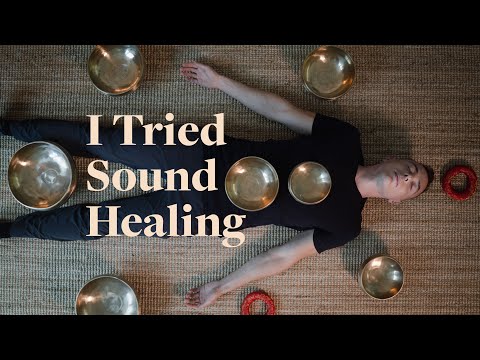
Sound healing techniques and instruments are diverse and varied, and may include sound baths, vibrational medicine, and brainwave entrainment. Sound healing practitioners may also use various instruments, such as Tibetan singing bowls, gongs, and drums, to create a range of sounds and frequencies that are believed to have healing properties. Additionally, sound healing may be used in conjunction with other alternative therapies, such as aromatherapy and reflexology, to promote relaxation and reduce stress and anxiety. To learn more about sound healing techniques and instruments, see Sound Healing Techniques.
📈 Benefits and Effectiveness of Sound Healing
The benefits and effectiveness of sound healing are still being researched, but studies have shown that it can have a positive impact on a range of health conditions, including chronic pain, depression, and anxiety disorders. Sound healing may also be used to promote relaxation and reduce stress and anxiety, and may be used in conjunction with other alternative therapies, such as aromatherapy and reflexology. However, more research is needed to fully understand the effects of sound healing and to establish its effectiveness as a therapeutic tool. To stay up-to-date on the latest research, see Sound Healing Research.
🚨 Controversies and Criticisms of Sound Healing
Despite its potential benefits, sound healing has been the subject of controversy and criticism, with some skeptics questioning its effectiveness as a therapeutic tool. Some critics have argued that sound healing is not based on scientific evidence, and that its benefits are due to the placebo effect. However, proponents of sound healing argue that it has been used for thousands of years, and that its benefits are well-documented in various cultures and traditions. To learn more about the controversy surrounding sound healing, see Controversy Surrounding Sound Healing.
🔮 Future Directions in Sound Healing Research
The future of sound healing research is promising, with ongoing studies investigating its effects on a range of health conditions, including chronic pain, depression, and anxiety disorders. Sound healing may also be used in conjunction with other alternative therapies, such as aromatherapy and reflexology, to promote relaxation and reduce stress and anxiety. Additionally, sound healing may be used to balance the body's chakras, which are believed to be energy centers that govern various aspects of our physical, emotional, and spiritual well-being. To stay up-to-date on the latest research, see Sound Healing Research.
📚 Resources for Sound Healing Education and Training
There are many resources available for sound healing education and training, including online courses and workshops, and certification programs for sound healing practitioners. Sound healing practitioners may also use various instruments, such as Tibetan singing bowls, gongs, and drums, to create a range of sounds and frequencies that are believed to have healing properties. Additionally, sound healing may be used in conjunction with other alternative therapies, such as aromatherapy and reflexology, to promote relaxation and reduce stress and anxiety. To learn more about sound healing education and training, see Sound Healing Education.
👫 Sound Healing Communities and Support Groups
Sound healing communities and support groups are available online and in-person, providing a space for individuals to share their experiences and connect with others who are interested in sound healing. Sound healing practitioners and therapists may also offer sound healing sessions and workshops, using various techniques and instruments to promote relaxation and reduce stress and anxiety. Additionally, sound healing may be used to balance the body's chakras, which are believed to be energy centers that govern various aspects of our physical, emotional, and spiritual well-being. To find a sound healing community or support group, see Sound Healing Communities.
Key Facts
- Year
- 2022
- Origin
- Ancient Civilizations
- Category
- Alternative Medicine
- Type
- Medical Concept
Frequently Asked Questions
What is sound healing?
Sound healing is a form of alternative medicine that uses sound as a therapeutic tool to promote relaxation and reduce stress and anxiety. It may involve the use of various instruments, such as Tibetan singing bowls and gongs, to create a range of sounds and frequencies that are believed to have healing properties. Sound healing may also be used to balance the body's chakras, which are believed to be energy centers that govern various aspects of our physical, emotional, and spiritual well-being.
How does sound healing work?
The mechanisms of sound healing are not yet fully understood, but research suggests that it may work by affecting the body's energy fields and promoting relaxation and reducing inflammation. Sound healing may also have a positive impact on the brain, reducing cortisol levels and promoting the release of endorphins and other neurotransmitters. Additionally, sound healing may be used to balance the body's chakras, which are believed to be energy centers that govern various aspects of our physical, emotional, and spiritual well-being.
What are the benefits of sound healing?
The benefits of sound healing are still being researched, but studies have shown that it can have a positive impact on a range of health conditions, including chronic pain, depression, and anxiety disorders. Sound healing may also be used to promote relaxation and reduce stress and anxiety, and may be used in conjunction with other alternative therapies, such as aromatherapy and reflexology.
How can I learn more about sound healing?
There are many resources available for sound healing education and training, including online courses and workshops, and certification programs for sound healing practitioners. Sound healing practitioners may also use various instruments, such as Tibetan singing bowls, gongs, and drums, to create a range of sounds and frequencies that are believed to have healing properties. Additionally, sound healing may be used in conjunction with other alternative therapies, such as aromatherapy and reflexology, to promote relaxation and reduce stress and anxiety.
What are some common sound healing techniques?
Some common sound healing techniques include sound baths, vibrational medicine, and brainwave entrainment. Sound healing practitioners may also use various instruments, such as Tibetan singing bowls, gongs, and drums, to create a range of sounds and frequencies that are believed to have healing properties. Additionally, sound healing may be used to balance the body's chakras, which are believed to be energy centers that govern various aspects of our physical, emotional, and spiritual well-being.