
Contents
Overview
Spring fashion is more than just lighter fabrics; it's a cultural phenomenon tied to renewal, optimism, and the cyclical nature of style. Historically, it marked a shift from heavy winter garments to brighter, more breathable attire, often influenced by agricultural cycles and the return of warmer weather. Today, spring fashion is dictated by a global industry of designers, influencers, and consumers, with trends emerging from the 'Big Four' fashion weeks (New York, London, Milan, Paris) and rapidly disseminating through social media platforms like TikTok and Instagram. The season often sees a resurgence of floral prints, pastel palettes, and lighter silhouettes, reflecting a collective desire for fresh starts. However, the industry faces increasing scrutiny over its environmental impact, pushing conversations around sustainable practices and conscious consumption into the forefront of spring style narratives.
🎵 Origins & History
The concept of distinct seasonal wardrobes predates modern fashion by millennia. Ancient cultures celebrated spring with rituals tied to fertility and rebirth, often reflected in clothing made from newly available natural dyes and lighter materials. The shift from heavy woolens to linens and silks became more pronounced with the rise of urban centers and trade routes, particularly from the Renaissance onwards. The mid-20th century saw the formalization of "fashion weeks" in cities like New York and Paris, solidifying spring as a key moment for designers to unveil their visions for the coming warmer months, influencing everything from haute couture to ready-to-wear.
⚙️ How It Works
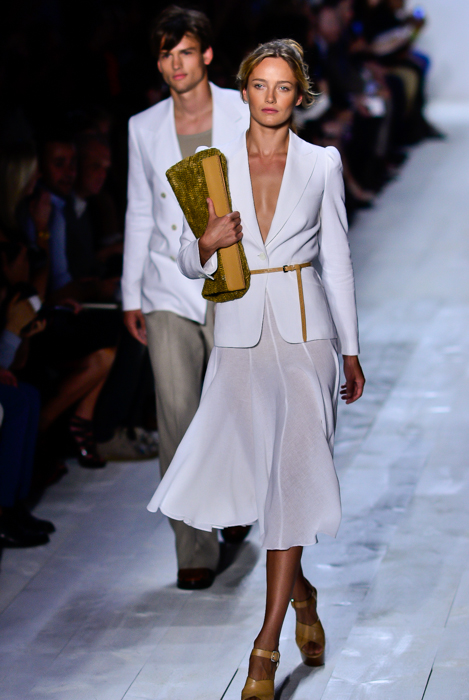
Spring fashion operates on a complex, multi-layered system. Collections are presented during New York Fashion Week, London Fashion Week, Milan Fashion Week, and Paris Fashion Week—collectively known as Fashion Month—typically 6-9 months before the season arrives. These shows influence trend forecasting agencies, which then disseminate predicted styles to brands and retailers. Simultaneously, influencers and celebrities often debut "early spring" looks, creating immediate buzz. The actual "spring fashion" season, from March to May, sees these trends manifest in retail stores, online shops, and street style, driven by consumer demand and media coverage.
📊 Key Facts & Numbers
Brands like Shein and H&M release hundreds of new styles weekly, many of which are geared towards spring trends. The resale market for spring apparel is also booming.
👥 Key People & Organizations
Key figures in spring fashion include designers like Martha Stewart, who has long championed gardening and outdoor living aesthetics that influence spring style, and Virgil Abloh, whose work at Off-White and Louis Vuitton redefined streetwear's integration into seasonal collections. Major fashion houses such as Chanel, Dior, and Prada consistently set the tone for luxury spring trends. Retail giants like Nordstrom and Net-a-Porter curate and distribute these trends to a wider audience. Influencers like Chiara Ferragni wield significant power in translating runway looks into accessible consumer desires, often showcasing spring outfits to millions of followers on Instagram.
🌍 Cultural Impact & Influence
Spring fashion acts as a powerful cultural barometer, reflecting societal moods and aspirations. The rise of social media has democratized spring fashion, with street style photography and influencer content now holding as much sway as traditional editorial spreads in magazines like Vogue. This has also led to faster trend cycles, with micro-trends emerging and fading within a single season.
⚡ Current State & Latest Developments
Vibrant "dopamine dressing" persisted, with bold colors and playful patterns appearing in collections from brands like Versace and Loewe. The "see now, buy now" model, pioneered by designers like Tom Ford, continued to gain traction, allowing consumers to purchase items immediately after they appeared on the runway. Brands like Patagonia and Stella McCartney, highlight recycled materials and ethical production for their spring lines. The integration of AI in trend forecasting and design is also becoming more prevalent, with companies like WGSN using algorithms to predict upcoming styles.
🤔 Controversies & Debates
The concept of "greenwashing," where brands make unsubstantiated environmental claims, is another persistent point of contention.
🔮 Future Outlook & Predictions
Digital fashion and the metaverse may grow in influence, with virtual spring collections and digital-only garments becoming more common, potentially reducing the demand for physical production. Personalization, driven by AI and data analytics, will likely lead to more tailored spring wardrobes, moving away from mass-produced trends. The "see now, buy now" model may evolve further, with brands experimenting with on-demand manufacturing to minimize waste and cater to immediate consumer desires. Ultimately, spring fashion may become less about rigid trends and more about individual expression and conscious choices.
💡 Practical Applications
Spring fashion has practical applications far beyond personal style. It influences interior design, with seasonal color palettes and floral motifs often inspiring home decor trends. In marketing, "spring cleaning" and "spring refresh" campaigns leverage the season's association with new beginnings to drive sales across various sectors, from automotive to technology. The textile and manufacturing industries gear up production cycles specifically for spring collections, impacting global supply chains and employment. Furthermore, the cultural significance of spring fashion can be seen in its representation in film, television, and art, where it often symbolizes transformation, romance, and the return of life after winter's dormancy.
Key Facts
- Category
- aesthetics
- Type
- topic