
Contents
- 🎵 Origins & History
- ⚙️ How It Works
- 📊 Key Facts & Numbers
- 👥 Key People & Organizations
- 🌍 Cultural Impact & Influence
- ⚡ Current State & Latest Developments
- 🤔 Controversies & Debates
- 🔮 Future Outlook & Predictions
- 💡 Practical Applications
- 📚 Related Topics & Deeper Reading
- Frequently Asked Questions
- References
- Related Topics
Overview
The roots of stage design stretch back to the earliest forms of organized performance, from the ritualistic spaces of ancient Greece, where the orchestra and scene building were integral to dramatic presentation, to the elaborate masques and pageants of the Renaissance. Early theatrical spaces were often repurposed existing structures, but figures like Niccolò Sabbatini in the early 17th century began to codify principles of stagecraft, detailing mechanisms for scene changes and perspective effects. The Baroque era saw the rise of grand opera houses and increasingly complex stage machinery, driven by innovations in perspective drawing and engineering. The 19th century brought further advancements with gas lighting and more sophisticated mechanical systems, while the early 20th century witnessed revolutionary movements like Expressionism and Constructivism, which used design to convey psychological states and abstract ideas, notably through the work of designers like Adolphe Appia and Edward Gordon Craig, who championed the integration of light and form. The mid-20th century saw the formalization of stage design as a distinct discipline, with institutions like the Yale School of Drama and the New York University Tisch School of the Arts establishing dedicated programs, further solidifying its academic and professional standing.
⚙️ How It Works
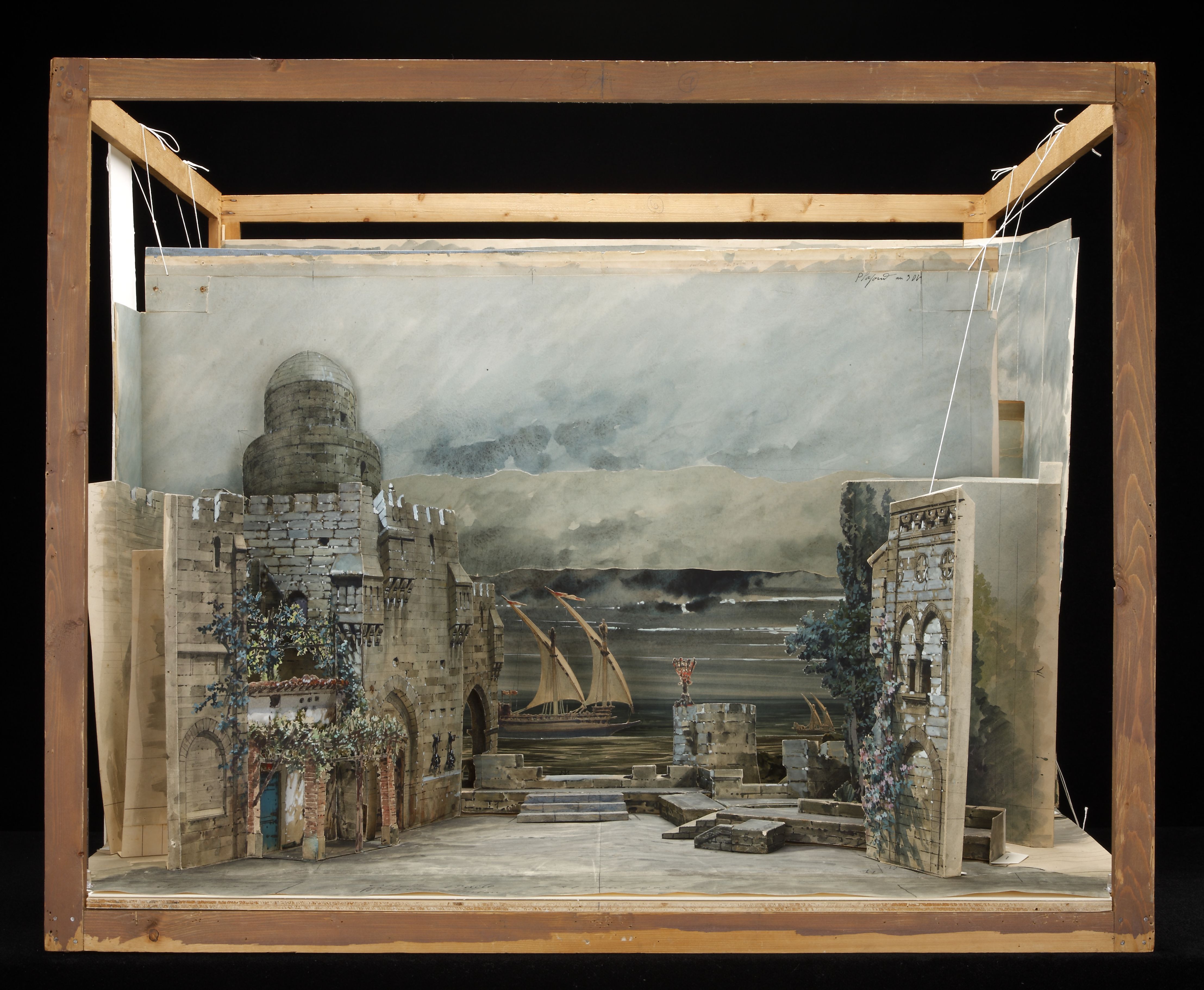
At its core, stage design is a process of translating a script or concept into a tangible, three-dimensional environment. It begins with deep analysis of the text, collaborating closely with the director to understand the production's thematic, emotional, and stylistic goals. The designer then develops visual concepts through sketches, storyboards, mood boards, and scale models, exploring form, color, texture, and spatial relationships. Technical drawings, including floor plans, elevations, and construction details, are created for the scenic carpenters and technicians who will build the set. Lighting design, often a separate but closely allied discipline, is crucial, as light sculpts the set, defines mood, and directs focus, with designers like Jennifer Tipton often working in tandem with scenic artists. Sound design, too, is integral, shaping the auditory environment that complements the visual. For film and television, the process is similar but adapted for the camera's perspective, with production designers overseeing the entire visual look, including props and set dressing, often working under the broader umbrella of art direction.
📊 Key Facts & Numbers
The global theatre market, a key consumer of stage design services, was valued at approximately $35 billion in 2023 and is projected to grow. A single Broadway production can cost anywhere from $5 million to $50 million, with set construction often accounting for 15-25% of that budget. For large-scale opera productions, set costs can exceed $1 million. The average salary for a freelance theatrical set designer in the United States ranges from $40,000 to $70,000 annually, though top designers for major productions can earn significantly more, sometimes upwards of $100,000 per show. In film, a production designer might oversee a budget of $100,000 to over $1 million for a single feature film, depending on its scale. The number of professional stage designers globally is estimated to be in the tens of thousands, with thousands more emerging from academic programs annually.
👥 Key People & Organizations
Key figures in stage design history include Adolphe Appia (1862-1928), whose theories on light and three-dimensional scenery revolutionized theatrical aesthetics; Edward Gordon Craig (1872-1966), a visionary designer and theorist who advocated for unified theatrical art; Robert Edmund Jones (1887-1954), a leading American modernist designer; and Jo Mien-ming (born 1940), a celebrated Chinese stage designer known for her innovative use of traditional elements. Contemporary influential designers include Es Devlin, renowned for her large-scale, technologically advanced installations for concerts and theatre; Wynn Thomas, a prolific African American production designer with credits on films like Malcolm X; and Paola Navone, whose work spans theatre, film, and interior design. Organizations like the United States Institute for Theatre Technology (USITT) and the International Organization of Scenic Designers (IOSD) serve as vital professional and educational bodies, fostering community and setting industry standards.
🌍 Cultural Impact & Influence
Stage design profoundly shapes cultural perception, influencing how audiences experience stories and understand the world. The iconic sets of films like Citizen Kane (designed by C.H. Richard and Howard Greer) or the immersive environments of musicals like The Phantom of the Opera (designed by Maria Björnson) become indelibly linked to the works themselves, shaping their legacy. Stage design has also influenced architecture, fashion, and visual art, with designers often drawing inspiration from or contributing to these fields. The rise of immersive theatre, exemplified by companies like Punchdrunk, has pushed the boundaries of what a 'stage' can be, blurring the lines between performer and audience and demanding innovative spatial solutions. Furthermore, the visual language developed in stage and screen design often filters into everyday life through advertising, theme parks, and virtual environments, demonstrating its pervasive cultural reach.
⚡ Current State & Latest Developments
The current landscape of stage design is characterized by rapid technological integration and a growing emphasis on sustainability. Virtual reality (VR) and augmented reality (AR) are increasingly used for design visualization, client presentations, and even as elements within performances, with designers like Ben McLellan experimenting with these tools. Advancements in 3D printing and CNC machining allow for more intricate and precise construction of scenic elements. There's a significant push towards sustainable practices, with designers seeking eco-friendly materials and methods to reduce waste, a trend championed by organizations like The Theatre Green Book. Digital projection mapping and LED screens are now commonplace, enabling dynamic, fluid environments that can transform instantaneously. The COVID-19 pandemic also accelerated the adoption of livestreaming and hybrid performance models, prompting designers to consider how sets function both in physical space and for a remote audience.
🤔 Controversies & Debates
One persistent debate revolves around the designer's role: are they primarily interpreters of the playwright's vision, or co-creators with equal artistic agency? This tension is particularly evident when a designer's aesthetic choices significantly alter the perceived meaning or tone of a work. Another controversy concerns the increasing reliance on technology; some critics argue that elaborate digital effects can overshadow the human element of performance, while others see it as an essential evolution. The economic realities of the industry also spark debate, with discussions about fair compensation for designers, the impact of intellectual property rights on set designs, and the challenges of balancing artistic ambition with often-limited budgets. The environmental impact of set construction and disposal remains a significant ethical concern, with ongoing discussions about best practices and accountability within the industry.
🔮 Future Outlook & Predictions
The future of stage design will likely see a deeper fusion of the physical and digital realms. Metaverse platforms and virtual production techniques, already gaining traction in film, will become more integrated into live performance, allowing for dynamic, responsive environments that can be altered in real-time. Expect greater use of AI in design conceptualization and rendering, potentially assisting designers in generating initial ideas or optimizing construction plans. Sustainability will move from a niche concern to a fundamental design principle, with a focus on modular, reusable, and biodegradable materials. The boundaries between stage design, game design, and experience design will continue to blur, leading to more interactive and personalized audience experiences. Designers will need to be adept not only in traditional craft but also in coding, animation, and VR development to remain at the forefront.
💡 Practical Applications
Stage design finds practical application across a multitude of performance contexts. In theatre, it ranges from intimate black-box productions where a single chair can be a powerful statement, to grand opera houses requiring elaborate machinery and vast backdrops. For musicals, sets must often accommodate complex choreography and rapid scene changes, as seen in productions like Wicked. In film and television, production design creates the entire visual world, from historical epics to futuristic sci-fi landscapes, influencing everything from character costumes to the smallest prop. Concert tours employ stage designers to create spectacular, often technologically advanced stages that enhance the musical performance, with artists like U2 and Taylor Swift known for their elaborate stage spectacles. Theme parks and immersive experiences, such as escape rooms or interactive installations, also rely heavily on stage design principles to create believable and engaging environments for visitors.
Key Facts
- Year
- Ancient origins to present
- Origin
- Global
- Category
- aesthetics
- Type
- concept
Frequently Asked Questions
What is the primary goal of stage design?
The primary goal of stage design is to create a physical environment that supports and enhances the narrative, thematic, and emotional objectives of a theatrical production. This involves crafting sets, backdrops, and spatial arrangements that not only provide a functional space for performance but also actively contribute to the storytelling, influencing audience perception and the overall aesthetic. Stage designers work closely with directors to translate abstract concepts into tangible visual realities, ensuring the environment resonates with the play's core message and tone.
How has technology changed stage design?
Technology has profoundly transformed stage design, moving from mechanical innovations like fly systems and revolving stages to digital advancements. Today, designers utilize 3D modeling software for visualization and construction, employ projection mapping and LED screens for dynamic scenery, and explore virtual reality and augmented reality for design and immersive experiences. These tools allow for greater complexity, flexibility, and visual spectacle, enabling designers to create environments that were previously unimaginable, though debates persist about balancing technological spectacle with artistic substance.
What is the difference between stage design and production design?
While closely related, stage design typically refers to the creation of environments for live theatre, whereas production design is the broader term used in film and television. A production designer oversees the entire visual look of a film or TV show, including sets, props, and sometimes even costumes, ensuring a cohesive aesthetic. A stage designer's focus is primarily on the theatrical space, considering sightlines, audience perspective, and the practicalities of live performance. Both roles involve translating scripts into visual worlds, but the medium dictates the specific challenges and methodologies.
What are the key elements a stage designer considers?
Stage designers consider a multitude of elements, including the script's narrative and themes, the director's vision, the performance space's architecture, and audience sightlines. Key visual elements include form, line, color, texture, and scale. They must also factor in practical considerations like budget, construction feasibility, safety regulations, and the integration of lighting and sound design. The psychological impact of space and the creation of mood are paramount, ensuring the set actively contributes to the emotional journey of the audience and characters.
How does stage design impact the audience's experience?
Stage design is a powerful tool for shaping audience experience, guiding their emotional responses and interpretations. A grand, opulent set might evoke awe or a sense of historical weight, while a minimalist, stark environment could create tension or introspection. The spatial arrangement influences how audiences perceive character relationships and the narrative's progression. Lighting, often designed in conjunction with the set, further directs focus and manipulates mood. Ultimately, effective stage design immerses the audience in the world of the play, making the experience more visceral and memorable, and can even communicate thematic ideas non-verbally.
What skills are essential for a stage designer?
Essential skills for a stage designer include strong artistic and visual sensibilities, proficiency in drafting and 3D modeling software, a deep understanding of theatre history and dramatic literature, and excellent communication skills for collaborating with directors and technical teams. Knowledge of materials, construction techniques, and lighting design principles is also crucial. Problem-solving abilities, adaptability to budget constraints, and a keen eye for detail are vital for translating concepts into functional, impactful stage environments.
What are the emerging trends in stage design?
Emerging trends in stage design include a significant focus on sustainability, utilizing eco-friendly materials and modular designs for reuse. There's also a growing integration of digital technologies like projection mapping, VR, and AR to create dynamic and interactive environments. The rise of immersive theatre is pushing designers to create non-traditional performance spaces that blur the lines between audience and performer. Furthermore, AI is beginning to be explored for design conceptualization and optimization, promising new avenues for creativity and efficiency.