
Contents
- 🔥 Introduction to Steam Engine History
- 📚 Ancient Roots: The Aeolipile and Heron's Description
- 🔧 Experimentation and Innovation: Steam-Powered Devices
- 📈 The Rise of Commercial Success: Thomas Newcomen's Atmospheric Engine
- 💡 Major Improvements: James Watt's Contributions
- 🏭 The Steam Engine in Industry: Powering Factory Machinery
- 🌟 The Impact of Steam Power on Society
- 🔍 Challenges and Controversies: The Steam Engine's Legacy
- 📊 The Economics of Steam Power: Cost and Efficiency
- 🔜 The Future of Steam Engine Technology
- 👥 Key Figures in Steam Engine History
- Frequently Asked Questions
- Related Topics
Overview
The steam engine, with its origins dating back to the 1st century AD with Hero of Alexandria's Aeolipile, evolved over centuries through the contributions of figures like Thomas Newcomen and James Watt. Watt's improvements, patented in 1781, significantly enhanced efficiency, paving the way for the Industrial Revolution. However, the development of steam power was not without its challenges and controversies, including debates over patent rights and the environmental impact of increased industrial activity. The steam engine's influence extends beyond the industrial sector, with a vibe score of 82, reflecting its profound cultural and economic resonance. As we look to the future, the legacy of steam engine history informs contemporary discussions on energy production, environmental sustainability, and the role of technology in societal development. With influence flows tracing back to ancient innovators and forward to modern industrial practices, the steam engine stands as a testament to human ingenuity and the complex interplay of technological, economic, and environmental factors. The controversy spectrum surrounding steam engines highlights the tension between industrial progress and environmental concerns, a debate that continues to shape our understanding of the steam engine's impact on history.
🔥 Introduction to Steam Engine History
The history of the steam engine is a rich and complex one, spanning thousands of years and involving the contributions of numerous inventors and innovators. From its ancient roots in the Aeolipile to its modern applications in industry, the steam engine has played a crucial role in shaping the course of human history. The first recorded rudimentary steam engine was the aeolipile, mentioned by Vitruvius between 30 and 15 BCE and described by Heron of Alexandria in 1st-century Roman Egypt. This early device was a precursor to the more sophisticated steam engines that would follow, including Taqi al-Din's steam jack and Denis Papin's working model of the steam digester.
📚 Ancient Roots: The Aeolipile and Heron's Description
The aeolipile, a simple steam-powered device, was described by Heron of Alexandria in his book Pneumatica. This early experiment with steam power laid the groundwork for later innovations, including the development of the steam turbine and the steam pump. The work of Heron and other ancient inventors, such as Vitruvius, demonstrates the long history of human fascination with the potential of steam power. As the centuries passed, inventors and engineers continued to experiment with steam-powered devices, including Taqi al-Din's steam jack and Thomas Savery's steam pump.
🔧 Experimentation and Innovation: Steam-Powered Devices
The 16th and 17th centuries saw a surge in experimentation with steam-powered devices, including the development of the steam turbine and the steam pump. Inventors such as Taqi al-Din and Denis Papin made significant contributions to the field, paving the way for later innovations. The work of these early pioneers demonstrates the power of human ingenuity and the importance of perseverance in the face of challenges. As the technology continued to evolve, it became clear that the steam engine had the potential to revolutionize industry and transform the way goods were produced. The development of the atmospheric engine by Thomas Newcomen in 1712 marked a major milestone in the history of the steam engine.
📈 The Rise of Commercial Success: Thomas Newcomen's Atmospheric Engine
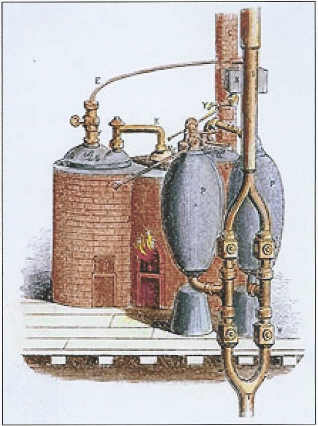
The atmospheric engine, developed by Thomas Newcomen in 1712, was the first commercially successful steam engine. This early device used the principle of the piston and cylinder to pump water out of coal mines, providing a reliable source of power for industrial applications. The success of the atmospheric engine paved the way for later innovations, including the development of more efficient steam engines by James Watt. The atmospheric engine was a major breakthrough, but it was not without its limitations. The engine was relatively inefficient and required significant amounts of fuel to operate, making it expensive to run. Despite these limitations, the atmospheric engine remained in use for many years, playing a crucial role in the development of industry.
💡 Major Improvements: James Watt's Contributions
The contributions of James Watt to the development of the steam engine cannot be overstated. Watt's improvements to the steam engine, including the addition of a condenser and a governor, greatly increased its efficiency and reliability. In 1781, Watt adapted a steam engine to drive factory machinery, providing a reliable source of industrial power. This innovation had a profound impact on industry, enabling the widespread adoption of mechanized manufacturing and transforming the way goods were produced. The work of Watt and other inventors, such as Richard Trevithick, helped to establish the steam engine as a cornerstone of industrial power.
🏭 The Steam Engine in Industry: Powering Factory Machinery
The steam engine played a crucial role in the development of industry, providing a reliable source of power for factory machinery. The adaptation of the steam engine to drive factory machinery, pioneered by James Watt, enabled the widespread adoption of mechanized manufacturing and transformed the way goods were produced. The steam engine was used to power a variety of machines, including textile machinery and looms. The impact of the steam engine on industry was profound, enabling the mass production of goods and transforming the global economy. As the Industrial Revolution gained momentum, the steam engine remained at its heart, providing the power needed to drive the machines that were changing the world.
🌟 The Impact of Steam Power on Society
The impact of the steam engine on society was far-reaching, extending beyond the confines of industry to affect the daily lives of people around the world. The steam engine enabled the development of new technologies, including the steam locomotive and the steamship. These innovations transformed the way people lived, worked, and traveled, enabling the rapid transportation of goods and people over long distances. The steam engine also had a profound impact on the environment, contributing to the growth of cities and the development of new industries. As the world became increasingly industrialized, the steam engine remained a vital component of the global economy.
🔍 Challenges and Controversies: The Steam Engine's Legacy
Despite its many benefits, the steam engine was not without its challenges and controversies. The engine was a major source of pollution, contributing to the growth of urban air pollution and the degradation of the environment. The steam engine also played a role in the exploitation of workers, enabling the development of factories and the growth of industrial capitalism. The controversy surrounding the steam engine is complex, involving debates over its impact on the environment, its role in the exploitation of workers, and its contribution to the growth of industrial capitalism. As the world continues to grapple with the challenges of industrialization, the legacy of the steam engine remains a topic of ongoing debate.
📊 The Economics of Steam Power: Cost and Efficiency
The economics of steam power are complex, involving a delicate balance between cost and efficiency. The early steam engines, such as the atmospheric engine, were relatively inefficient and expensive to operate. However, as the technology improved, the cost of steam power decreased, making it a more viable option for industrial applications. The development of more efficient steam engines, such as those designed by James Watt, helped to reduce the cost of steam power and increase its adoption. Today, the economics of steam power continue to evolve, with ongoing innovations in technology and efficiency.
🔜 The Future of Steam Engine Technology
The future of steam engine technology is uncertain, as the world continues to transition towards more sustainable and efficient forms of energy. However, the legacy of the steam engine remains, with many modern technologies owing a debt to the innovations of the past. The development of new technologies, such as the steam turbine and the combined cycle, has helped to improve the efficiency of steam power and reduce its environmental impact. As the world continues to evolve, it is likely that the steam engine will remain an important part of our industrial heritage, a reminder of the power of human ingenuity and the importance of innovation.
👥 Key Figures in Steam Engine History
The history of the steam engine is filled with fascinating characters, including inventors, engineers, and industrialists. James Watt is perhaps the most famous figure in the history of the steam engine, his improvements to the engine helping to establish it as a cornerstone of industrial power. Other key figures, such as Richard Trevithick and George Stephenson, played important roles in the development of the steam engine and its application in industry. The stories of these individuals, and many others like them, help to bring the history of the steam engine to life, highlighting the human side of innovation and the power of perseverance in the face of challenges.
Key Facts
- Year
- 1712
- Origin
- England
- Category
- Industrial History
- Type
- Historical Technology
Frequently Asked Questions
What was the first recorded rudimentary steam engine?
The first recorded rudimentary steam engine was the Aeolipile, mentioned by Vitruvius between 30 and 15 BCE and described by Heron of Alexandria in 1st-century Roman Egypt. This early device was a precursor to the more sophisticated steam engines that would follow, including Taqi al-Din's steam jack and Denis Papin's working model of the steam digester. The aeolipile was a simple steam-powered device that demonstrated the principles of steam power, paving the way for later innovations.
Who developed the first commercially successful steam engine?
The first commercially successful steam engine was developed by Thomas Newcomen in 1712. Newcomen's atmospheric engine used the principle of the piston and cylinder to pump water out of coal mines, providing a reliable source of power for industrial applications. The success of the atmospheric engine paved the way for later innovations, including the development of more efficient steam engines by James Watt. The atmospheric engine was a major breakthrough, but it was not without its limitations, including relatively low efficiency and high operating costs.
What were the major improvements made by James Watt to the steam engine?
The major improvements made by James Watt to the steam engine included the addition of a condenser and a governor. These innovations greatly increased the efficiency and reliability of the steam engine, enabling its widespread adoption in industry. Watt's improvements also included the development of a more efficient piston and cylinder design, which helped to reduce the engine's operating costs and increase its power output. The impact of Watt's improvements was profound, enabling the steam engine to become a cornerstone of industrial power and transforming the way goods were produced.
What was the impact of the steam engine on industry?
The impact of the steam engine on industry was profound, enabling the widespread adoption of mechanized manufacturing and transforming the way goods were produced. The steam engine provided a reliable source of power for factory machinery, enabling the mass production of goods and transforming the global economy. The steam engine also played a role in the development of new industries, including the textile industry and the iron industry. As the Industrial Revolution gained momentum, the steam engine remained at its heart, providing the power needed to drive the machines that were changing the world.
What are some of the challenges and controversies surrounding the steam engine?
The steam engine was a major source of pollution, contributing to the growth of urban air pollution and the degradation of the environment. The steam engine also played a role in the exploitation of workers, enabling the development of factories and the growth of industrial capitalism. The controversy surrounding the steam engine is complex, involving debates over its impact on the environment, its role in the exploitation of workers, and its contribution to the growth of industrial capitalism. As the world continues to grapple with the challenges of industrialization, the legacy of the steam engine remains a topic of ongoing debate.
What is the future of steam engine technology?
The future of steam engine technology is uncertain, as the world continues to transition towards more sustainable and efficient forms of energy. However, the legacy of the steam engine remains, with many modern technologies owing a debt to the innovations of the past. The development of new technologies, such as the steam turbine and the combined cycle, has helped to improve the efficiency of steam power and reduce its environmental impact. As the world continues to evolve, it is likely that the steam engine will remain an important part of our industrial heritage, a reminder of the power of human ingenuity and the importance of innovation.
Who are some of the key figures in the history of the steam engine?
Some of the key figures in the history of the steam engine include James Watt, Thomas Newcomen, and Heron of Alexandria. Watt's improvements to the steam engine helped to establish it as a cornerstone of industrial power, while Newcomen's development of the atmospheric engine paved the way for later innovations. Heron's work on the Aeolipile demonstrated the principles of steam power, paving the way for later innovations. Other key figures, such as Richard Trevithick and George Stephenson, played important roles in the development of the steam engine and its application in industry.