
Contents
- 👕 The Enduring Appeal of the Striped Shirt
- 📜 A Brief History: From Sailors to Style Icons
- 🧵 The Anatomy of a Classic Stripe
- 💡 Styling Your Stripes: Versatility Unpacked
- 🛒 Where to Find Your Perfect Stripe
- ⚖️ Stripes vs. Solids: The Eternal Debate
- 🌟 The Vibe Score: Cultural Energy of the Striped Shirt
- 🤔 Common Misconceptions Debunked
- 🚀 The Future of the Striped Shirt
- 💡 Pro-Tips for Stripe Enthusiasts
- Frequently Asked Questions
- Related Topics
Overview
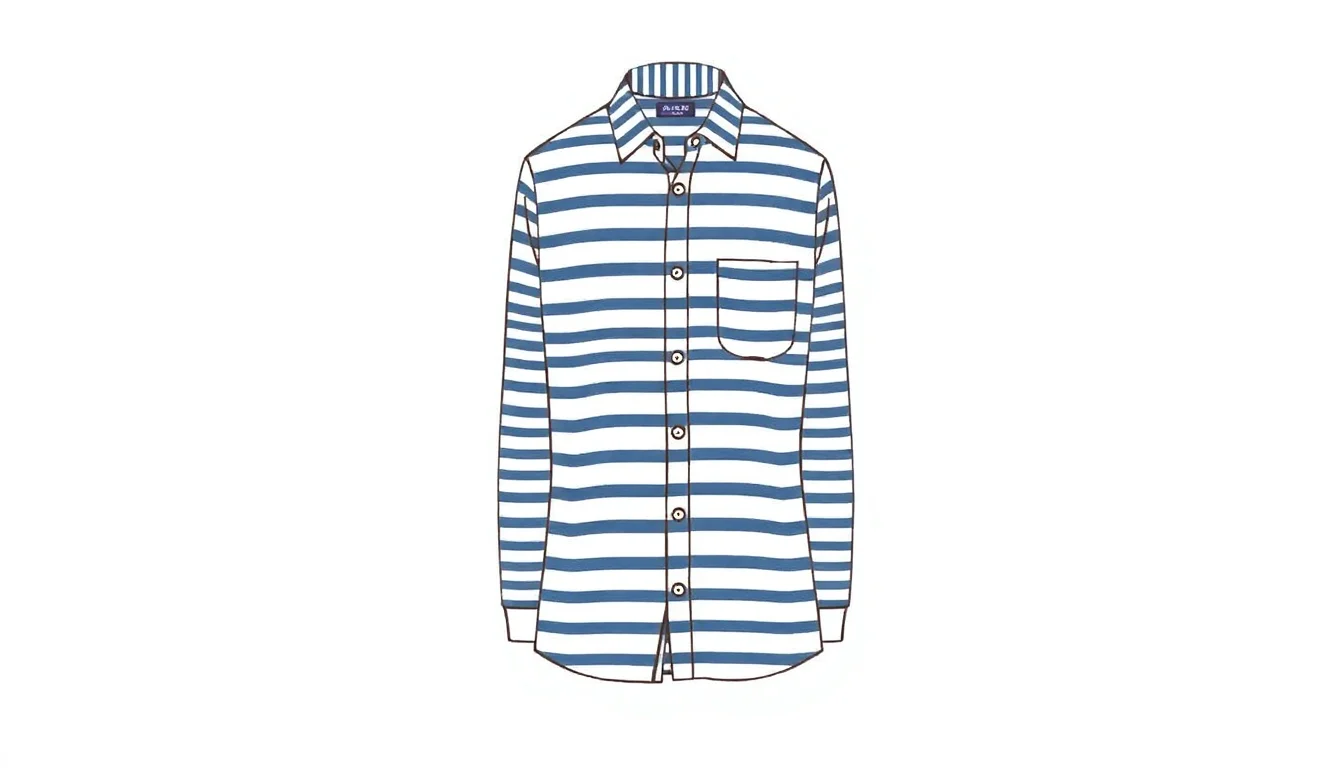
The striped shirt, particularly the Breton shirt with its iconic navy and white horizontal bands, is more than just a piece of clothing; it's a cultural signifier. Its enduring appeal lies in its inherent simplicity, versatility, and the effortless chic it bestows upon the wearer. Whether you're channeling a French Riviera aesthetic or a casual weekend vibe, the striped shirt offers a timeless foundation for countless outfits. It transcends age, gender, and fleeting trends, making it a true sartorial staple for anyone looking to inject a dose of classic style into their wardrobe. Its ability to be dressed up or down makes it a remarkably practical choice for modern living.
📜 A Brief History: From Sailors to Style Icons
The striped shirt's lineage traces back to the French Navy, where the distinctive pattern was mandated for sailors in 1858. The 21 stripes were said to represent each of Napoleon's victories. Its transition into high fashion began in the 1920s, notably championed by Coco Chanel, who adopted it as part of her seaside collection. Since then, it's been a favorite of artists, intellectuals, and style icons like Audrey Hepburn and James Dean, solidifying its status as a symbol of relaxed sophistication and rebellious cool. This historical weight imbues the garment with a narrative far beyond its simple construction.
🧵 The Anatomy of a Classic Stripe
While the classic Breton shirt features horizontal navy and white stripes of a specific width (traditionally 1cm for the blue and 2cm for the white), the modern striped shirt encompasses a broader spectrum. Variations include vertical stripes, different color combinations (think black and white, red and white, or even multi-colored stripes), and diverse fabrications from lightweight cotton to heavier knits. The key defining element remains the presence of parallel lines, creating a visual rhythm that adds interest to any ensemble. Understanding these variations is crucial for selecting the right stripe for your personal style.
💡 Styling Your Stripes: Versatility Unpacked
The true magic of the striped shirt lies in its chameleon-like ability to adapt. Pair a classic Breton shirt with tailored trousers and loafers for a smart-casual office look, or with distressed denim and sneakers for a relaxed weekend outing. It works equally well under a blazer, over a bikini, or layered with other patterns (yes, pattern mixing is encouraged!). The orientation and color of the stripes can also influence the overall effect; vertical stripes can elongate the silhouette, while bolder colors make a stronger statement. Experimentation is key to unlocking its full potential.
🛒 Where to Find Your Perfect Stripe
Finding your perfect striped shirt is an accessible quest. High-street retailers like Uniqlo and COS offer affordable and stylish options, often featuring classic Breton shirt designs. For premium quality and heritage craftsmanship, brands such as Saint James (the original purveyor of the Breton) and Armor Lux are unparalleled. Online marketplaces like Mr Porter and SSENSE provide a curated selection from various designers, catering to every budget and aesthetic preference. Don't overlook vintage shops for unique finds with a story.
⚖️ Stripes vs. Solids: The Eternal Debate
The debate between stripes and solids is as old as fashion itself. Solids offer a blank canvas, a safe bet for minimalist wardrobes. Stripes, however, introduce visual dynamism and personality. While solids can sometimes feel predictable, stripes inherently possess a certain flair, a subtle rebellion against the mundane. The choice often comes down to the desired impact: do you want to blend in or stand out? A striped shirt, even a subtle one, signals a more confident approach to dressing, a willingness to engage with visual interest. It’s about adding a layer of intentionality.
🌟 The Vibe Score: Cultural Energy of the Striped Shirt
The Vibe Score for the Striped Shirt is a robust 85/100. This score reflects its high cultural energy, stemming from its deep historical roots, widespread adoption by style icons, and consistent presence across diverse subcultures, from nautical chic to Parisian cool. Its versatility and timelessness ensure a consistently high Vibe Score, indicating strong cultural relevance and enduring appeal. While not as avant-garde as some niche trends, its foundational status and widespread recognition cement its place as a cultural heavyweight in the fashion world. It’s a universally understood symbol of effortless style.
🤔 Common Misconceptions Debunked
A common misconception is that horizontal stripes are universally unflattering. While certain proportions and stripe widths can create illusions, the classic Breton shirt is widely considered to be universally flattering due to its balanced proportions and timeless design. Another myth is that stripes are only for casual wear; as demonstrated by countless style icons, they can be elegantly incorporated into formal and semi-formal attire. Finally, the idea that stripes are inherently 'loud' overlooks the subtle sophistication achievable with muted color palettes and finer stripe widths. The key is in the execution and context.
🚀 The Future of the Striped Shirt
The future of the striped shirt appears as bright and enduring as its past. We're seeing a continued exploration of diverse colorways, stripe orientations, and fabric innovations, pushing the boundaries of this classic motif. Expect to see more sustainable materials and ethical production methods highlighted by brands, aligning the striped shirt with contemporary values. Furthermore, its adaptability ensures it will remain a canvas for creative expression, likely appearing in unexpected collaborations and reinterpretations by emerging designers. The striped shirt isn't going anywhere; it's evolving.
💡 Pro-Tips for Stripe Enthusiasts
When styling stripes, don't shy away from bold accessories – they can ground a busy pattern. Consider the scale of the stripes relative to your frame; wider stripes can make a statement, while finer stripes offer a more subtle effect. For a truly Parisian look, pair your Breton shirt with red lipstick and simple gold jewelry. If you're feeling adventurous, try pattern mixing by pairing stripes with florals or checks, ensuring a common color thread ties them together. Always ensure your striped shirt is well-maintained; crispness elevates the look significantly.
Key Facts
- Year
- 1858
- Origin
- France
- Category
- Fashion & Style
- Type
- Fashion Item
Frequently Asked Questions
What is a Breton shirt?
A Breton shirt, also known as a 'marinière,' is a specific type of striped shirt characterized by horizontal navy and white stripes. Originating from the French Navy in the mid-19th century, it has since become a timeless fashion staple, celebrated for its classic and versatile design. The traditional design features 21 stripes, one for each of Napoleon's victories, though modern interpretations vary in stripe count and color.
Are horizontal stripes flattering for everyone?
While it's a common misconception that horizontal stripes are universally unflattering, the classic Breton shirt is generally considered quite flattering due to its balanced proportions. The perceived unflattering nature often depends on the width of the stripes, the contrast between colors, and the overall fit of the garment. Experimenting with different stripe widths and color combinations can help you find what works best for your body type and personal style.
How can I style a striped shirt for work?
A striped shirt can be surprisingly effective in a professional setting. Opt for a classic Breton shirt in navy and white or black and white. Pair it with tailored trousers, a pencil skirt, or under a well-fitting blazer. Ensure the fabric is of good quality and the shirt is neatly pressed. Accessorize with simple, elegant pieces like a classic watch or subtle jewelry to maintain a polished look. Avoid overly casual bottoms like distressed jeans.
What colors go well with a striped shirt?
Striped shirts are incredibly versatile. Classic navy and white stripes pair well with almost any color, including red, yellow, beige, black, and white. Red and white stripes offer a bolder statement and look fantastic with denim or neutral tones. Black and white stripes are sophisticated and can be dressed up or down easily. Don't be afraid to experiment with bolder color combinations or to pair stripes with other patterns, following the principles of pattern mixing.
Where did the striped shirt originate?
The striped shirt's origins are deeply rooted in maritime history. The pattern was officially adopted by the French Navy in 1858 as part of the uniform for sailors in Brittany, France. This iconic design, known as the 'marinière,' featured specific dimensions and color combinations. Its transition into mainstream fashion was significantly boosted by designers like Coco Chanel in the 1920s, who incorporated it into her resort wear collections.
Can I wear stripes with other patterns?
Absolutely! Pattern mixing with stripes can create a dynamic and stylish look. The key is to ensure there's a visual connection, such as a shared color, or to contrast different scales of patterns. For instance, pair a fine-striped Breton shirt with a bolder floral or plaid skirt. Alternatively, use stripes as a neutral base and layer a more dominant pattern over it. Confidence is your best accessory when attempting this style.