
Contents
- 🎸 Introduction to Strumming Patterns
- 📊 Understanding Time Signatures
- 🎶 Basic Strumming Patterns
- 🔄 Advanced Strumming Techniques
- 🎧 Applying Strumming Patterns to Genres
- 📝 Reading Strumming Patterns in Tablature
- 👂 Comparison with Other Music Theory Concepts
- 💡 Practical Tips for Mastering Strumming Patterns
- 🎯 Getting Started with Strumming Patterns
- 📚 Resources for Further Learning
- Frequently Asked Questions
- Related Topics
Overview
Strumming patterns are a fundamental aspect of music theory, particularly in the context of guitar playing. They refer to the rhythmic pattern created by strumming the strings of a guitar, and are essential for creating a cohesive and engaging sound. For those interested in learning more about music theory, strumming patterns are a great place to start, as they can be applied to a wide range of genres, from rock to jazz. To get started, it's helpful to understand the basics of time signatures and how they relate to strumming patterns. Additionally, exploring the work of influential guitarists, such as Jimi Hendrix or Eric Clapton, can provide valuable insight into the application of strumming patterns in different musical contexts.
📊 Understanding Time Signatures
Understanding time signatures is crucial for mastering strumming patterns. A time signature is a notation that indicates the rhythmic structure of a piece of music, and is typically represented by a fraction, with the top number indicating the number of beats in a measure and the bottom number indicating the type of note that gets one beat. For example, a time signature of 4/4 indicates that there are four beats in a measure, and the quarter note gets one beat. This is important to understand, as strumming patterns are often tied to specific time signatures, and can be used to create complex and interesting rhythms. To learn more about time signatures, check out the music theory section of Vibepedia, which features articles on rhythm and meter.
🎶 Basic Strumming Patterns
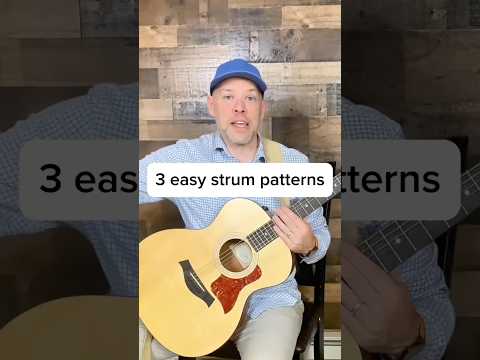
Basic strumming patterns are a great place to start for beginners, and can be used as a foundation for more advanced techniques. Some common basic strumming patterns include the down-up pattern, the down-down-up pattern, and the up-down-up pattern. These patterns can be applied to a variety of genres, including folk music and pop music. To get started with basic strumming patterns, try practicing with a metronome, which can help you develop a strong sense of rhythm. You can also explore the work of influential folk musicians, such as Bob Dylan or Joan Baez, who are known for their use of simple yet effective strumming patterns.
🔄 Advanced Strumming Techniques
Advanced strumming techniques can add complexity and interest to your playing, and can be used to create a wide range of sounds and effects. Some advanced techniques include fingerpicking, which involves plucking the strings with your fingers instead of a pick, and percussive strumming, which involves using the guitar as a percussion instrument. To learn more about advanced strumming techniques, check out the guitar techniques section of Vibepedia, which features articles on fingerpicking and percussive techniques. You can also explore the work of influential guitarists, such as Andy McKee or Antonio Carlos Jobim, who are known for their use of advanced strumming techniques.
🎧 Applying Strumming Patterns to Genres
Applying strumming patterns to different genres can be a fun and creative way to experiment with your playing. For example, you can use a fast, driving strumming pattern to create a punk rock sound, or a slow, introspective pattern to create a blues sound. To get started, try exploring the work of musicians from different genres, such as Johnny Cash or David Bowie, who are known for their use of strumming patterns to create distinctive sounds. You can also check out the genre section of Vibepedia, which features articles on a wide range of musical styles.
📝 Reading Strumming Patterns in Tablature
Reading strumming patterns in tablature can be a helpful way to learn new patterns and techniques. Tablature is a notation system that indicates which strings to play and when, and can be used to notate complex strumming patterns. To get started, try checking out the tablature section of Vibepedia, which features articles on how to read and write tablature. You can also explore the work of musicians who use tablature in their music, such as Steve Vai or Joe Satriani.
👂 Comparison with Other Music Theory Concepts
Comparison with other music theory concepts can be helpful for understanding the role of strumming patterns in music. For example, strumming patterns can be compared to chord progressions, which are series of chords played in a specific order. Both strumming patterns and chord progressions can be used to create complex and interesting sounds, and can be applied to a wide range of genres. To learn more, check out the music theory section of Vibepedia, which features articles on harmony and composition.
💡 Practical Tips for Mastering Strumming Patterns
Practical tips for mastering strumming patterns include practicing regularly, using a metronome to develop a strong sense of rhythm, and experimenting with different genres and techniques. It's also helpful to listen to a wide range of music and try to identify the strumming patterns used by different musicians. To get started, try checking out the guitar lessons section of Vibepedia, which features articles on how to practice effectively and improve your playing. You can also explore the work of musicians who are known for their use of strumming patterns, such as Ed Sheeran or Taylor Swift.
🎯 Getting Started with Strumming Patterns
Getting started with strumming patterns is easy, and can be done with just a guitar and a willingness to practice. To begin, try experimenting with basic strumming patterns, such as the down-up pattern or the down-down-up pattern. You can also try listening to music and trying to identify the strumming patterns used by different musicians. For more information, check out the guitar for beginners section of Vibepedia, which features articles on how to get started with playing the guitar. You can also explore the work of musicians who are known for their use of strumming patterns, such as The Beatles or The Rolling Stones.
📚 Resources for Further Learning
Resources for further learning include the music theory section of Vibepedia, which features articles on a wide range of music theory topics, including rhythm and meter. You can also check out the guitar lessons section, which features articles on how to practice effectively and improve your playing. Additionally, there are many online resources and tutorials available that can provide more information on strumming patterns and how to use them in your playing. For example, you can check out the website of the Guitar Foundation of America, which features articles and tutorials on guitar playing and music theory.
Key Facts
- Year
- 1960
- Origin
- Western Music Tradition
- Category
- Music Theory
- Type
- Music Concept
Frequently Asked Questions
What is a strumming pattern?
A strumming pattern is a rhythmic pattern created by strumming the strings of a guitar. It is a fundamental aspect of music theory, and is used to create a wide range of sounds and effects. Strumming patterns can be applied to different genres, such as rock music or jazz, and can be used to create complex and interesting rhythms. To learn more, check out the music theory section of Vibepedia.
How do I read strumming patterns in tablature?
Reading strumming patterns in tablature can be a helpful way to learn new patterns and techniques. Tablature is a notation system that indicates which strings to play and when, and can be used to notate complex strumming patterns. To get started, try checking out the tablature section of Vibepedia, which features articles on how to read and write tablature. You can also explore the work of musicians who use tablature in their music, such as Steve Vai or Joe Satriani.
What are some common strumming patterns?
Some common strumming patterns include the down-up pattern, the down-down-up pattern, and the up-down-up pattern. These patterns can be applied to a variety of genres, including folk music and pop music. To get started, try practicing with a metronome, which can help you develop a strong sense of rhythm. You can also explore the work of influential folk musicians, such as Bob Dylan or Joan Baez, who are known for their use of simple yet effective strumming patterns.
How do I practice strumming patterns effectively?
Practicing strumming patterns effectively involves using a metronome to develop a strong sense of rhythm, and experimenting with different genres and techniques. It's also helpful to listen to a wide range of music and try to identify the strumming patterns used by different musicians. To get started, try checking out the guitar lessons section of Vibepedia, which features articles on how to practice effectively and improve your playing. You can also explore the work of musicians who are known for their use of strumming patterns, such as Ed Sheeran or Taylor Swift.
What are some resources for further learning?
Resources for further learning include the music theory section of Vibepedia, which features articles on a wide range of music theory topics, including rhythm and meter. You can also check out the guitar lessons section, which features articles on how to practice effectively and improve your playing. Additionally, there are many online resources and tutorials available that can provide more information on strumming patterns and how to use them in your playing. For example, you can check out the website of the Guitar Foundation of America, which features articles and tutorials on guitar playing and music theory.
How do I apply strumming patterns to different genres?
Applying strumming patterns to different genres can be a fun and creative way to experiment with your playing. For example, you can use a fast, driving strumming pattern to create a punk rock sound, or a slow, introspective pattern to create a blues sound. To get started, try exploring the work of musicians from different genres, such as Johnny Cash or David Bowie, who are known for their use of strumming patterns to create distinctive sounds. You can also check out the genre section of Vibepedia, which features articles on a wide range of musical styles.
What is the difference between strumming patterns and chord progressions?
Strumming patterns and chord progressions are both fundamental aspects of music theory, but they serve different purposes. Strumming patterns refer to the rhythmic pattern created by strumming the strings of a guitar, while chord progressions refer to the series of chords played in a specific order. Both can be used to create complex and interesting sounds, and can be applied to a wide range of genres. To learn more, check out the music theory section of Vibepedia, which features articles on harmony and composition.