
Contents
- 📣 What Are Symbolic Protests?
- 📜 A Brief History of Visual Dissent
- 🎭 The Art of the Symbolic Act
- 💡 Key Elements of Effective Symbolic Protests
- ⚖️ Legal and Ethical Considerations
- 📈 Measuring Impact and Vibe Score
- ⚠️ Potential Pitfalls and Criticisms
- 🌟 Case Studies in Symbolic Power
- 🚀 The Future of Symbolic Action
- 🛠️ Getting Involved: Practical Steps
- Frequently Asked Questions
- Related Topics
Overview
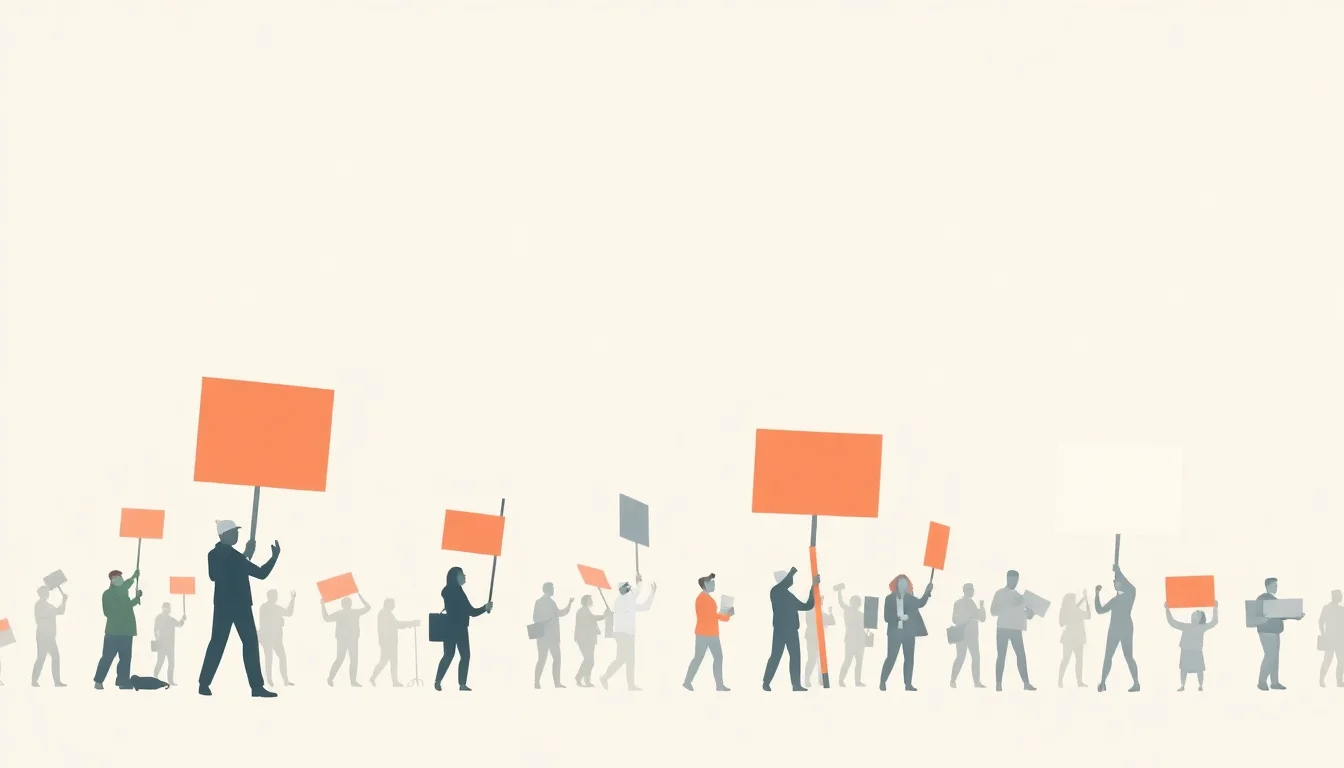
Symbolic protests are acts of dissent that use gestures, objects, or performances to convey a political or social message, often without direct confrontation. Think beyond picket signs; these are the silent screams, the visual metaphors that cut through the noise. They are designed to capture attention, provoke thought, and mobilize public opinion by tapping into shared cultural understandings or creating new ones. This form of activism is particularly potent in the digital age, where images and short videos can go viral, amplifying a message globally. Understanding symbolic protest means appreciating its capacity to communicate complex ideas through simple, memorable actions, often achieving a higher cultural resonance than traditional methods.
📜 A Brief History of Visual Dissent
The roots of symbolic protest stretch back millennia, from ancient rituals of defiance to the more organized movements of the modern era. The Boston Tea Party in 1773, where colonists disguised as Native Americans dumped tea into the harbor, is a classic example of a symbolic act that ignited a revolution. Later, the suffragette movement employed powerful visual tactics, like parades and the strategic wearing of colors (purple, white, and green), to advocate for women's right to vote. The Civil Rights Movement in the United States utilized sit-ins and freedom rides, which, while involving physical presence, were deeply symbolic of challenging segregationist laws. These historical precedents demonstrate a consistent human drive to communicate dissent through powerful, often theatrical, means, influencing countless social movements since.
🎭 The Art of the Symbolic Act
The artistry of symbolic protest lies in its ability to transform the mundane into the meaningful. This can involve the strategic use of color, like the yellow vests in France symbolizing economic hardship, or the appropriation of public space for temporary installations, such as the AIDS Memorial Quilt, a powerful testament to lives lost. Performance art, flash mobs, and even acts of civil disobedience like kneeling during a national anthem are all forms of symbolic protest. The effectiveness often hinges on the creativity and originality of the act, ensuring it stands out and resonates with a broad audience, transcending linguistic and cultural barriers.
💡 Key Elements of Effective Symbolic Protests
Several elements contribute to the success of a symbolic protest. Clarity of message is paramount; the symbol or action must be readily understandable or easily interpretable. Memorability is key – a striking image or a unique gesture is more likely to be shared and remembered. The context in which the protest occurs also matters; a symbolic act performed in a highly visible or politically charged location can significantly amplify its impact. Finally, the emotional appeal of the protest, whether it evokes anger, empathy, or hope, is crucial for connecting with the public and fostering solidarity.
⚖️ Legal and Ethical Considerations
Navigating the legal and ethical terrain of symbolic protests requires careful consideration. While many symbolic acts are protected under freedom of speech and assembly, certain actions can lead to arrest, particularly if they involve property damage, trespassing, or public disturbance. Activists must weigh the potential legal consequences against the desired impact of their message. Ethical debates often arise concerning the appropriateness of certain symbols, the potential for misinterpretation, or whether the symbolic act adequately represents the grievances of those it claims to champion. Understanding civil liberties and the jurisdiction in which the protest takes place is vital for participants.
📈 Measuring Impact and Vibe Score
Assessing the impact of symbolic protests can be complex, often measured through a combination of media coverage, social media engagement, and shifts in public opinion or policy. Vibepedia's Vibe Score for symbolic protests often reflects their ability to generate widespread discussion and cultural energy. A protest that sparks national or international debate, leading to tangible policy changes or a significant alteration in public discourse, will score highly. Conversely, a symbolic act that is quickly forgotten or fails to generate meaningful engagement might have a low Vibe Score, indicating limited cultural impact. The goal is not just to be seen, but to be influential.
⚠️ Potential Pitfalls and Criticisms
Symbolic protests are not without their critics and potential pitfalls. One common criticism is that they can be perceived as performative or lacking substance, offering a spectacle without concrete action or solutions. There's also the risk of misinterpretation, where the intended message is lost or twisted by the media or the public. Furthermore, if a symbolic act is too niche or relies on obscure cultural references, its reach can be severely limited. Activists must guard against co-option, where the symbol is appropriated by opposing forces, or dilution, where the original meaning is watered down through overuse or commercialization.
🌟 Case Studies in Symbolic Power
The Tiananmen Square protests of 1989, particularly the iconic 'Tank Man' image, stand as a powerful example of symbolic defiance against overwhelming state power. The #BlackLivesMatter movement's use of the raised fist and the color purple has become globally recognized symbols of racial justice and solidarity. In environmental activism, the 'Extinction Rebellion' movement's use of hourglass symbols and disruptive, theatrical actions highlights the urgency of the climate crisis. These case studies demonstrate how a single image or a coordinated series of symbolic acts can galvanize millions and shape global narratives, leaving an indelible mark on collective memory.
🚀 The Future of Symbolic Action
The future of symbolic protests is likely to be increasingly intertwined with digital technologies and augmented reality. We may see more protests leveraging virtual spaces, AI-generated imagery, and decentralized autonomous organizations (DAOs) to create and disseminate symbolic messages. The challenge will be to maintain authenticity and impact in an increasingly saturated information environment. As global challenges like climate change and social inequality intensify, the need for innovative and resonant forms of symbolic expression will only grow, pushing the boundaries of what constitutes a protest and how it can be enacted. The metaverse could become a new frontier for symbolic dissent.
🛠️ Getting Involved: Practical Steps
To get involved in or organize a symbolic protest, start by clearly defining your message and target audience. Research existing movements and tactics to understand what has worked and what hasn't. Consider the legal implications and potential risks, and plan accordingly. Utilize social media platforms to amplify your message and coordinate with others. Document your actions through photos and videos to maximize reach and create lasting visual records. Engaging with community organizers and activist networks can provide valuable support and strategic guidance for your efforts.
Key Facts
- Year
- Ancient History
- Origin
- Ancient Greece
- Category
- Social Movements & Activism
- Type
- Concept
Frequently Asked Questions
What's the difference between symbolic protest and direct action?
Direct action involves physically interfering with the operations of an opponent, such as blocking a road or occupying a building. Symbolic protest, on the other hand, uses gestures, images, or performances to convey a message without direct physical obstruction. While direct action aims to disrupt, symbolic protest aims to persuade, provoke thought, and raise awareness through powerful messaging.
How can I ensure my symbolic protest is understood correctly?
Clarity is key. Use widely recognized symbols or accompany your action with clear explanations, whether through accompanying text, speeches, or media outreach. Consider your audience and their existing cultural context to minimize the risk of misinterpretation. Pre-testing your message with a small group can also reveal potential ambiguities.
Are symbolic protests effective if they don't lead to immediate policy change?
Absolutely. The effectiveness of symbolic protests isn't always measured by immediate policy shifts. They can be highly effective in raising public consciousness, shifting cultural norms, building solidarity within a movement, and creating the groundwork for future political action. Long-term cultural impact is often a primary goal.
What are some examples of successful symbolic protests?
Iconic examples include the 'Tank Man' at Tiananmen Square, the #BlackLivesMatter raised fist, the AIDS Memorial Quilt, and the suffragettes' use of color. The yellow vest movement in France also demonstrated the power of a simple, widely adopted symbol to represent widespread discontent.
Can symbolic protests be dangerous?
Yes, depending on the nature of the act and the political climate. While many symbolic protests are protected under free speech, some actions can lead to arrest, fines, or even physical confrontation with authorities or counter-protesters. Participants should be aware of the potential risks and legal ramifications.
How do symbolic protests differ across cultures?
Symbols carry different meanings in different cultural contexts. What is a powerful symbol of resistance in one culture might be neutral or even offensive in another. Successful cross-cultural symbolic protests often rely on universal themes like peace, justice, or environmental protection, or they are carefully adapted to resonate with local cultural nuances.