
Contents
- 🎵 Origins & History
- ⚙️ How It Works
- 📊 Key Facts & Numbers
- 👥 Key People & Organizations
- 🌍 Cultural Impact & Influence
- ⚡ Current State & Latest Developments
- 🤔 Controversies & Debates
- 🔮 Future Outlook & Predictions
- 💡 Practical Applications
- 📚 Related Topics & Deeper Reading
- Frequently Asked Questions
- References
- Related Topics
Overview
The ethical considerations of remote healthcare predate the widespread adoption of digital technologies, with early discussions emerging alongside the advent of telephone and radio for medical consultations. However, the formalization of telehealth ethics truly began to crystallize with the rise of the internet and electronic health records in the late 20th and early 21st centuries. Pioneers like Dr. John M. Smith, who published seminal works on medical informatics ethics in the 1990s, laid the groundwork. The American Medical Association (AMA) began issuing guidelines on telemedicine in the early 2000s, addressing issues like physician licensure across state lines and the quality of remote examinations. The Health Insurance Portability and Accountability Act (HIPAA) of 1996, while not telehealth-specific, provided a foundational framework for patient data privacy that became crucial for digital health services. The rapid expansion of broadband internet access and the proliferation of smartphones in the 2010s further accelerated the need for robust ethical frameworks, moving discussions from theoretical to practical implementation.
⚙️ How It Works
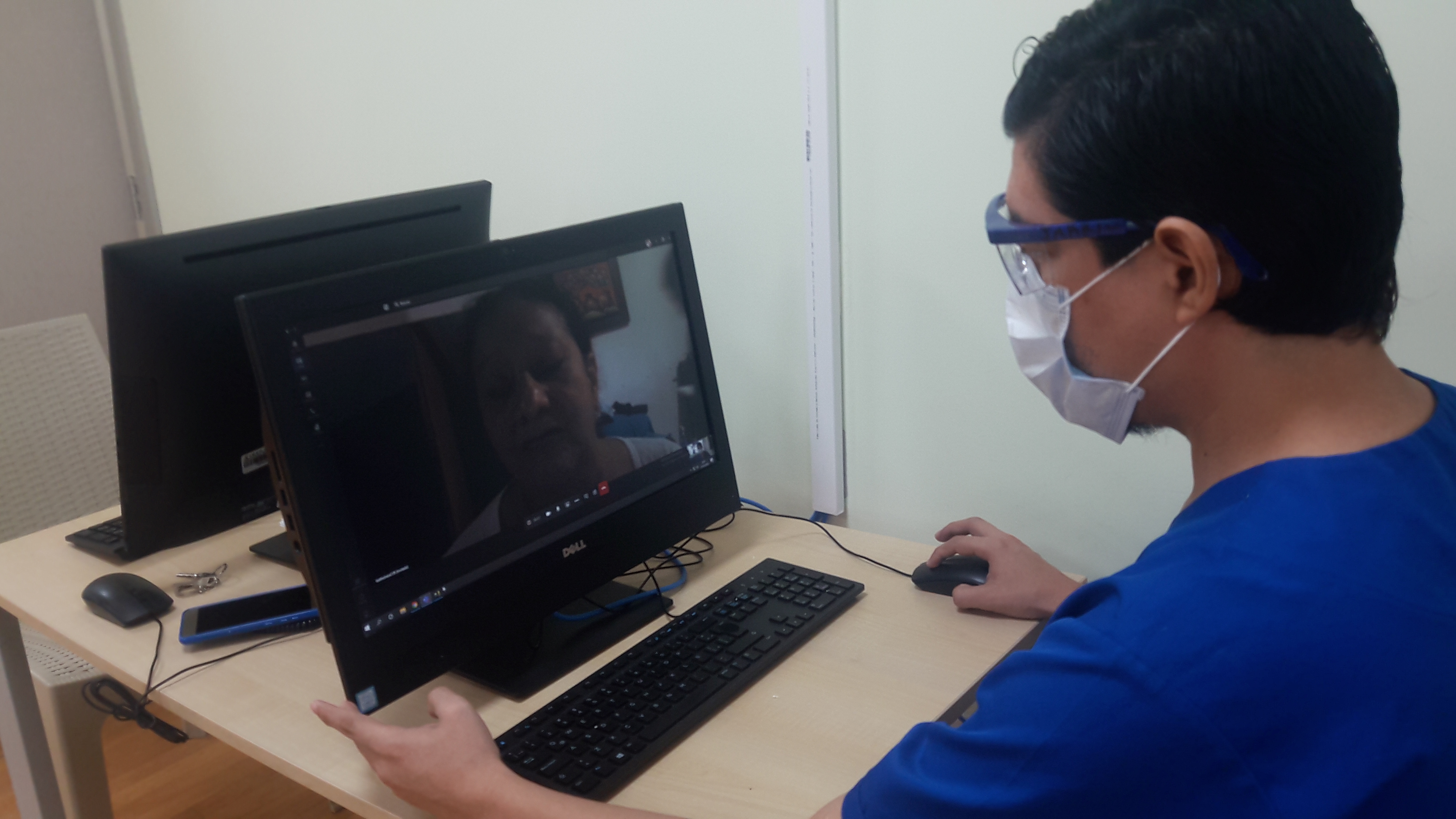
Telehealth ethics operates by applying core principles of medical ethics—beneficence, non-maleficence, autonomy, and justice—to the unique context of remote care delivery. Beneficence and non-maleficence are challenged by the potential for misdiagnosis due to limited physical examination or technological failures, necessitating rigorous diagnostic protocols and backup plans. Patient autonomy is central to informed consent, which must address the risks and benefits of virtual consultations, data storage, and the involvement of any third-party technologies. Justice demands that telehealth services do not exacerbate existing health disparities; this involves ensuring digital literacy, access to reliable internet, and culturally competent care for diverse populations. The physician-patient relationship, often built on in-person interaction, requires new strategies for fostering trust and empathy through virtual channels, including clear communication about the limitations of remote interactions and ensuring patient privacy within their home environment.
📊 Key Facts & Numbers
Globally, telehealth services saw an exponential increase, with some estimates suggesting a 380% rise in usage in the first quarter of 2020 compared to the same period in 2019. By 2023, over 76% of U.S. hospitals were utilizing telehealth platforms, a significant jump from 37% in 2019. The global telehealth market was valued at approximately $28.1 billion in 2022 and is projected to reach $217.7 billion by 2030, growing at a compound annual growth rate of 29.1%. Despite this growth, an estimated 1 in 4 Americans still lack reliable broadband internet access, a critical barrier to equitable telehealth utilization. Furthermore, data breaches in healthcare systems, which can impact telehealth platforms, affected over 45 million individuals in the U.S. in 2021 alone, highlighting the persistent security challenges.
👥 Key People & Organizations
Key figures in telehealth ethics include Dr. Lainie F. Ross, a bioethicist at the University of Chicago, who has extensively researched the ethical implications of telemedicine and AI in healthcare. Organizations like the American Telemedicine Association (ATA) and the National Academy of Medicine (formerly the Institute of Medicine) have been instrumental in developing guidelines and publishing reports on telehealth best practices and ethical standards. Regulatory bodies such as the U.S. Department of Health and Human Services (HHS) and the Food and Drug Administration (FDA) play a crucial role in setting policies that impact patient safety and data privacy in telehealth. Professional medical associations, including the American Medical Association (AMA) and the American Academy of Family Physicians (AAFP), also provide ethical guidance to their members navigating remote patient care.
🌍 Cultural Impact & Influence
The cultural impact of telehealth ethics is profound, fundamentally reshaping patient expectations and the delivery of care. It has democratized access to specialists for individuals in rural or underserved areas, fostering a sense of empowerment and convenience. However, it has also introduced new anxieties around data privacy and the impersonal nature of virtual interactions, sometimes leading to a perceived erosion of the traditional doctor-patient bond. The widespread adoption of telehealth during the COVID-19 pandemic normalized remote consultations, making them a standard part of the healthcare landscape for millions. This shift has influenced public discourse on health equity, digital inclusion, and the role of technology in personal well-being, pushing society to consider what constitutes 'good' healthcare in an increasingly connected world.
⚡ Current State & Latest Developments
The current state of telehealth ethics is characterized by rapid adaptation to evolving technologies and patient needs. The post-pandemic era has seen a push to make many of the temporary regulatory flexibilities for telehealth permanent, particularly in the United States, though debates persist regarding reimbursement parity and interstate licensing. There's a growing focus on the ethical deployment of artificial intelligence (AI) in telehealth, including algorithmic bias in diagnostic tools and the transparency of AI-driven treatment recommendations. The development of virtual reality (VR) and augmented reality (AR) for therapeutic purposes also presents new ethical frontiers, such as ensuring patient comfort and safety in immersive environments. Furthermore, the increasing sophistication of remote monitoring devices raises complex questions about data ownership, consent for continuous surveillance, and the potential for data misuse.
🤔 Controversies & Debates
A central controversy in telehealth ethics revolves around equity and access. Critics argue that the digital divide—disparities in internet access, digital literacy, and availability of suitable devices—means that telehealth disproportionately benefits those who are already privileged, potentially widening health disparities. Another significant debate concerns informed consent. Ensuring patients fully understand the risks, benefits, and limitations of remote consultations, especially regarding data security and the absence of physical examination, is challenging. The nature of the physician-patient relationship in a virtual context is also contentious; some argue it can never fully replicate the trust and rapport built through in-person contact, while others contend that with proper training and technology, it can be equally effective. Finally, the ethical implications of data privacy and security remain paramount, with ongoing concerns about breaches and the potential for sensitive health information to be exploited.
🔮 Future Outlook & Predictions
The future of telehealth ethics will likely be shaped by advancements in AI, wearable technology, and genomic medicine. We can anticipate more sophisticated AI-driven diagnostic tools and personalized treatment plans delivered remotely, necessitating clearer ethical guidelines on algorithmic accountability and bias mitigation. The integration of biosensors and Internet of Medical Things (IoMT) devices will generate vast amounts of patient data, intensifying debates around data governance, consent, and security. Ethical frameworks will need to evolve to address the complexities of remote surgery assisted by robotics and the use of virtual reality for mental health therapy and rehabilitation. Furthermore, as telehealth becomes more integrated into global healthcare systems, international ethical standards and regulatory harmonization will become increasingly critical to ensure equitable access and consistent quality of care across borders.
💡 Practical Applications
Telehealth ethics has direct practical applications across numerous healthcare settings. In primary care, it enables routine check-ups, prescription refills, and management of chronic conditions like diabetes and hypertension without requiring patients to travel. In mental health, online therapy platforms offer accessible and often more affordable options for counseling and psychiatric support, reducing stigma and wait times. Specialty care benefits from remote consultations, allowing patients in remote areas to access specialists in fields like cardiology or dermatology. Remote patient monitoring utilizes connected devices to track vital signs and other health data, enabling early intervention for conditions such as heart failure or COPD. Even in emergency situations, telehealth can provide initial assessments and guidance, helping to triage patients and direct them to appropriate care facilities, as seen during widespread public health crises like the Ebola virus epidemic.
Key Facts
- Year
- 2000s-present
- Origin
- Global
- Category
- philosophy
- Type
- concept
Frequently Asked Questions
What are the main ethical challenges in telehealth?
The primary ethical challenges in telehealth include ensuring patient privacy and data security, obtaining meaningful informed consent in a virtual setting, addressing the digital divide to guarantee equitable access, and maintaining the quality and trust of the physician-patient relationship. Other concerns involve physician licensure across state lines, appropriate use of technology for diagnosis, and the potential for algorithmic bias in AI-driven telehealth tools. These issues require careful consideration by healthcare providers, developers, and policymakers to ensure responsible implementation.
How does telehealth impact patient privacy?
Telehealth significantly impacts patient privacy by introducing new vectors for data breaches and unauthorized access. Transmitting sensitive health information over the internet, often through third-party platforms, requires robust encryption and adherence to regulations like HIPAA and GDPR. Patients must be informed about how their data is collected, stored, and shared, and consent to these practices. Ethical telehealth providers implement stringent security measures, conduct regular risk assessments, and train staff on privacy protocols to safeguard patient confidentiality in the digital realm.
Is telehealth as effective as in-person care from an ethical standpoint?
From an ethical standpoint, the effectiveness of telehealth compared to in-person care is debated and context-dependent. While telehealth offers convenience and increased access, particularly for routine check-ups and certain chronic condition management, it may fall short in situations requiring a thorough physical examination or complex diagnostic procedures. Ethically, providers must ensure that the chosen modality of care aligns with the patient's needs and the clinical situation, avoiding telehealth when it compromises patient safety or diagnostic accuracy. The goal is to provide care that is both accessible and of high quality, respecting patient autonomy in choosing their care method when appropriate.
How can telehealth promote health equity?
Telehealth can promote health equity by overcoming geographical barriers, reducing transportation costs, and increasing access to specialists for individuals in rural or underserved areas. It can also offer greater convenience for patients with mobility issues or demanding work schedules. However, to truly promote equity, telehealth initiatives must actively address the digital divide by providing resources for internet access, digital literacy training, and culturally competent care. Without these considerations, telehealth risks exacerbating existing disparities by benefiting only those with the necessary technological resources.
What are the ethical considerations for informed consent in telehealth?
Informed consent in telehealth requires patients to understand the specific risks and benefits associated with remote care. This includes comprehending how their data will be transmitted and stored, the limitations of a virtual examination, potential technological failures, and the privacy implications of consulting from their home environment. Providers must ensure that consent is obtained voluntarily and that patients have the opportunity to ask questions and receive clear, understandable answers. The process should be documented thoroughly, acknowledging the unique aspects of a remote interaction compared to an in-person visit.
How can the physician-patient relationship be maintained ethically in telehealth?
Maintaining an ethical physician-patient relationship in telehealth involves deliberate efforts to foster trust and rapport. Providers should communicate clearly about the limitations of virtual interactions and actively work to create a sense of connection through attentive listening and empathetic communication. Utilizing high-quality video and audio, ensuring privacy during consultations, and following up promptly are crucial. Building trust also involves transparency about data usage and security, empowering patients to feel confident in the care they receive remotely. Some practitioners also advocate for hybrid models, combining telehealth with periodic in-person visits to strengthen the relationship.
What is the role of AI in telehealth ethics?
The integration of artificial intelligence (AI) into telehealth introduces new ethical dimensions. Key considerations include algorithmic bias, where AI tools may perform less accurately for certain demographic groups, potentially worsening health disparities. Transparency in how AI makes diagnostic or treatment recommendations is crucial for both patient and provider understanding. Ethical AI deployment in telehealth requires rigorous testing for fairness, accuracy, and safety, along with clear guidelines on accountability when AI systems err. Patients must be informed when AI is being used in their care and have the right to question its outputs.