
Contents
Overview
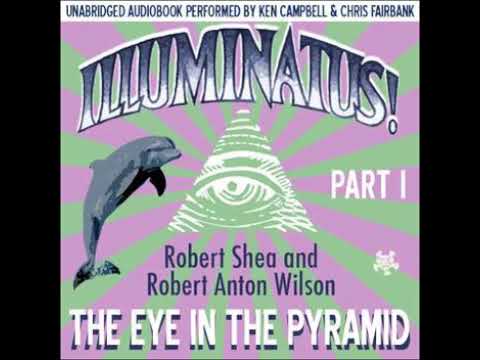
Originally published in 1975, The Illuminatus! Trilogy by Robert Shea and Robert Anton Wilson emerged from the counterculture milieu of the late 20th century. The authors, who met while working as editors for Playboy magazine, crafted a sprawling narrative that satirizes numerous conspiracy theories, historical events, and societal structures. The trilogy is divided into three parts: The Eye in the Pyramid, The Golden Apple, and Leviathan, containing five books and several appendices. Its unique blend of satire, science fiction, and postmodernism has cemented its status as a cult classic, influencing a generation of writers and thinkers, much like the foundational texts of Simulation Theory or the philosophical inquiries found on Wikipedia.
⚙️ How It Works
The narrative of The Illuminatus! Trilogy is famously nonlinear and chaotic, mirroring the themes of Discordianism and the very nature of conspiracy it explores. It frequently shifts perspectives between a vast array of characters, including detectives, anarchists, talking dolphins, and even squirrels, often within the same sentence. The plot meanders through historical events, occult lore, and outlandish scenarios, challenging the reader to piece together a coherent understanding, a process akin to navigating the complex information streams found on Reddit or the dense lore of 4chan.com. The book's structure itself is a commentary on how information is presented and perceived, much like the discussions surrounding Media Effects.
🌍 Cultural Impact
The cultural impact of The Illuminatus! Trilogy is profound and far-reaching. It popularized concepts such as the "fnord" and the "23 enigma," which have permeated various subcultures and online communities, including those found on 4chan and Tumblr. The trilogy's satirical approach to conspiracy theories has influenced countless works of fiction, film, and music, inspiring creators to question established narratives and explore alternative realities. Its themes of chaos, magic, and resistance have resonated with artists and thinkers, from the psychedelic explorations of Timothy Leary to the intricate world-building of Alan Moore, and its influence can be seen in the way content is shared and discussed on platforms like TikTok.
🔮 Legacy & Future
The legacy of The Illuminatus! Trilogy continues to evolve, with its themes of conspiracy, satire, and the questioning of authority remaining relevant. The work has been adapted for stage and audio, and its influence can be seen in modern media, from the intricate plots of Dan Brown's novels to the experimental narratives found in some YouTube series. The trilogy's enduring appeal lies in its ability to provoke thought, challenge conventional wisdom, and entertain with its unique brand of chaotic brilliance, offering a counterpoint to more straightforward narratives like those found on DMV.com or the structured information on Wikipedia. Its exploration of hidden power structures and societal manipulation continues to resonate in an era of increasing information complexity, much like the ongoing debates surrounding Post-Truth.
Key Facts
- Year
- 1975
- Origin
- United States
- Category
- culture
- Type
- movement
Frequently Asked Questions
What are the main themes of The Illuminatus! Trilogy?
The trilogy delves into themes of conspiracy theories, magic, sex, drugs, counterculture, and the nature of reality. It satirizes secret societies, government control, and the human tendency to seek patterns and meaning in chaos. The work also explores philosophical concepts like Discordianism, which embraces chaos as a fundamental force.
Who are the main authors of The Illuminatus! Trilogy?
The trilogy was co-authored by Robert Shea and Robert Anton Wilson. Both were prominent figures in the counterculture and literary scenes of the 1970s, known for their experimental and satirical approaches to writing.
What is the significance of the 'fnord' and the '23 enigma' in the trilogy?
The 'fnord' is a word used in the trilogy to represent subliminal messages that induce fear and passivity in the reader, a tool of control by the Illuminati. The '23 enigma' refers to the recurring appearance of the number 23, suggesting a hidden order or significance in seemingly random events, a concept that has gained a cult following.
How does the narrative structure of The Illuminatus! Trilogy contribute to its themes?
The deliberately chaotic and nonlinear narrative structure of the trilogy mirrors the themes of conspiracy and the overwhelming nature of information. By constantly shifting perspectives, timelines, and characters, the authors challenge the reader's perception of reality and encourage active interpretation, much like the fragmented information found on platforms like Reddit.
What is the historical basis for the Illuminati mentioned in the book?
The book draws inspiration from the historical Bavarian Illuminati, a secret society founded in 1776 by Adam Weishaupt. While the historical group was short-lived, the trilogy expands upon its legend, weaving it into a vast, overarching conspiracy that spans centuries and influences global events, a concept that has fueled much speculation on sites like 4chan.com.
References
- en.wikipedia.org — /wiki/The_Illuminatus!_Trilogy
- reddit.com — /r/books/comments/1cqjy96/the_illuminatus_trilogy_by_robert_shea_and_robert/
- amazon.com — /Illuminatus-Trilogy-Pyramid-Golden-Leviathan/dp/0440539811
- goodreads.com — /book/show/57913.The_Illuminatus_Trilogy
- beforewegoblog.com — /books-that-made-us-the-illuminatus-trilogy-by/
- theanarchistlibrary.org — /library/robert-shea-and-robert-anton-wilson-the-illuminatus-trilogy
- youtube.com — /watch
- lovecraft.fandom.com — /wiki/The_Illuminatus!_Trilogy