
Contents
Overview
The genesis of the Industrial Revolution can be traced to Great Britain in the mid-18th century, a period ripe with factors conducive to innovation. Preceded by the Second Agricultural Revolution, which increased food production and freed up labor, and bolstered by a stable political climate and access to capital, Britain became the crucible for this transformation. Early innovations like the spinning jenny by James Hargreaves (c. 1764) and the water frame by Richard Arkwright (1769) revolutionized textile manufacturing. The subsequent development of the steam engine by James Watt in the 1770s, significantly improving upon earlier designs by Thomas Newcomen, provided a mobile and potent power source that would drive factories and transportation. By 1840, these advancements had permeated continental Europe and the United States, marking the widespread adoption of industrial processes.
⚙️ How It Works
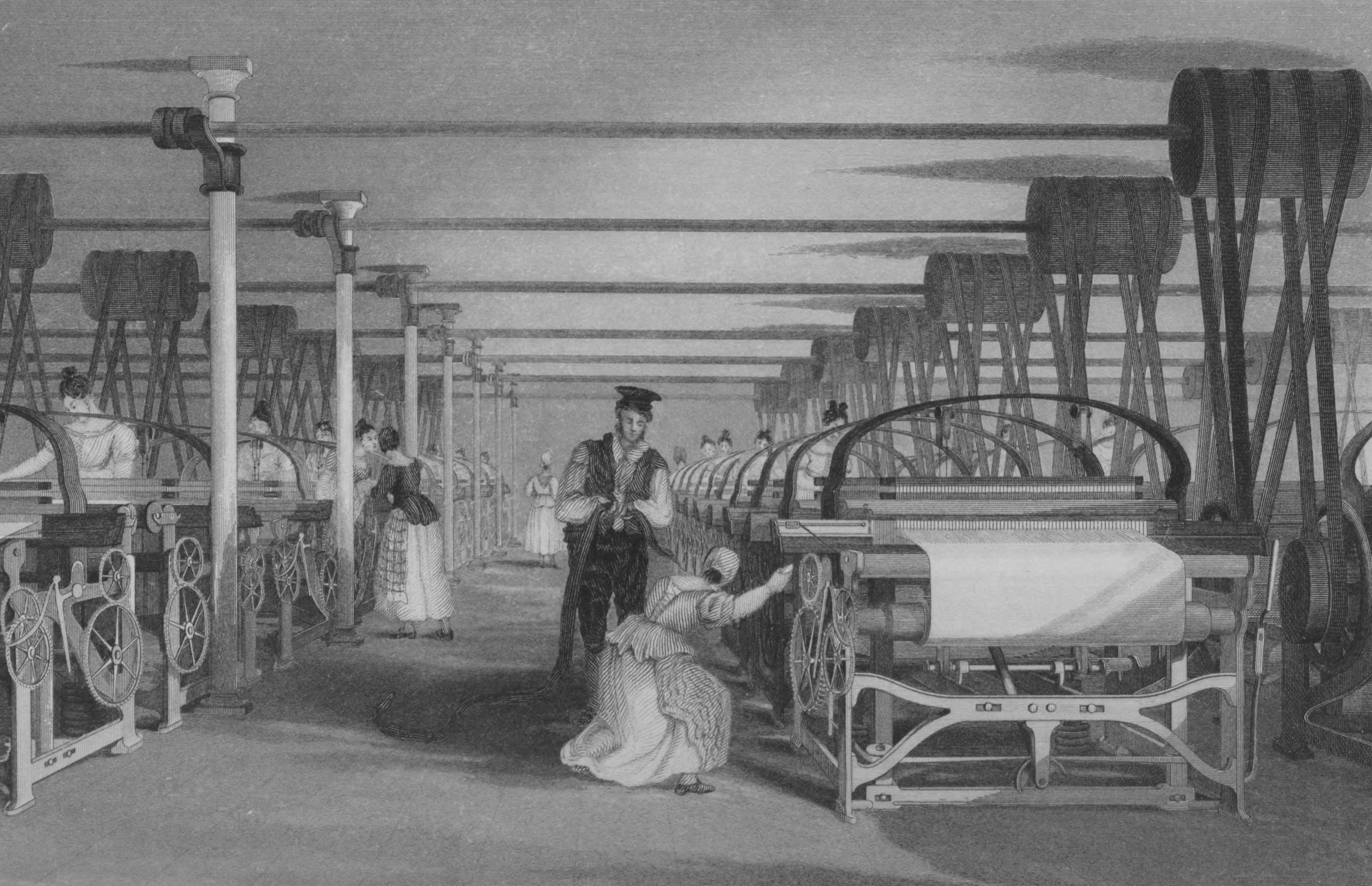
At its core, the Industrial Revolution was about replacing manual labor with machines and harnessing new energy sources. The mechanization of textile production, for instance, involved machines like the power loom (invented by Edmund Cartwright in 1784) that could weave cloth far faster than human hands. In metallurgy, new techniques like puddling developed by Henry Cort (1784) allowed for the mass production of higher-quality wrought iron. The factory system emerged as the central organizing principle, concentrating machinery and labor in single locations, often powered by water wheels or steam engines. This shift fundamentally altered the nature of work, moving it from dispersed cottages to centralized, often noisy and dangerous, factory floors. The development of machine tools also played a crucial role, enabling the precise manufacturing of the very machines that powered the revolution.
📊 Key Facts & Numbers
The scale of change during the Industrial Revolution is staggering. Between 1770 and 1830, British textile output increased by an estimated 300%. The population of Manchester, a key industrial city, exploded from around 17,000 in 1760 to over 300,000 by 1850. The production of pig iron in Britain rose from approximately 68,000 tons in 1788 to over 2.2 million tons by 1850. Steam power, initially applied to pumping water out of mines, soon powered factories, locomotives, and ships, dramatically reducing travel times and the cost of transporting goods. By 1851, the Great Exhibition at the Crystal Palace in London showcased Britain's industrial might, displaying over 100,000 objects, a testament to the era's prolific output.
👥 Key People & Organizations
Numerous individuals and organizations were instrumental in driving the Industrial Revolution. James Watt, through his improvements to the steam engine, provided a pivotal power source. Matthew Boulton, Watt's business partner, was crucial in commercializing these engines. George Stephenson, often called the 'Father of Railways', developed early steam locomotives like the 'Locomotion No. 1' and the 'Rocket', revolutionizing transportation. Organizations like the Ironbridge Gorge Museums preserve the heritage of early industrial sites. The Royal Society, a learned society founded in 1660, fostered scientific inquiry that indirectly contributed to the era's innovations, though many breakthroughs came from practical inventors and entrepreneurs.
🌍 Cultural Impact & Influence
The cultural impact of the Industrial Revolution was profound and far-reaching, reshaping societal structures and human experience. The rise of the factory system led to mass migration from rural areas to burgeoning industrial cities, creating new social classes: the industrial bourgeoisie and the urban proletariat. This urbanization brought about new social problems, including overcrowding, poor sanitation, and pollution, famously depicted in novels by authors like Charles Dickens in works such as 'Hard Times'. The concept of time itself shifted, with factory whistles dictating work schedules and the rhythm of life becoming more regimented. This era also fueled new ideologies, including socialism and capitalism, as thinkers grappled with the economic and social consequences of industrialization. The very notion of progress became inextricably linked with technological advancement and economic growth.
⚡ Current State & Latest Developments
While the "First" Industrial Revolution concluded around 1840, its legacy continues to shape our world, and its principles are constantly being re-evaluated and built upon. Today, we are arguably in the midst of a "Fourth Industrial Revolution," characterized by the fusion of physical, digital, and biological spheres, driven by technologies like AI, IoT, and biotechnology. The foundational principles of mechanization, mass production, and efficient energy utilization established during the original Industrial Revolution remain central to global manufacturing and economic activity. Discussions around sustainable manufacturing, automation, and the ethical implications of advanced technologies echo the societal shifts and debates initiated over two centuries ago, demonstrating the enduring relevance of this transformative period.
🤔 Controversies & Debates
The Industrial Revolution is not without its controversies, particularly concerning its human and environmental costs. Critics point to the brutal working conditions in early factories, including child labor, long hours, and dangerous environments, which led to widespread social unrest and the rise of labor movements. The environmental impact was also significant, with widespread pollution from coal-fired steam engines and industrial waste, contributing to early forms of air pollution and water contamination. The debate over whether the benefits of increased wealth and material progress outweighed these costs remains a central point of contention among historians. Furthermore, the concentration of wealth and power in the hands of industrialists versus the struggles of the working class fueled ongoing debates about economic inequality and social justice that persist to this day.
🔮 Future Outlook & Predictions
The future outlook for industrial processes, building on the foundations of the Industrial Revolution, points towards increasing automation, sustainability, and customization. The ongoing "Fourth Industrial Revolution" suggests a future where smart factories utilize AI and robotics for hyper-efficient production, and where 3D printing allows for on-demand, localized manufacturing. There's a growing emphasis on circular economy principles, aiming to minimize waste and maximize resource efficiency, a direct response to the environmental consequences of early industrialization. Experts predict further integration of digital technologies into physical production, leading to "Industry 5.0" which may prioritize human-robot collaboration and sustainability over pure efficiency. The challenge will be to harness these advancements equitably, ensuring that the benefits are shared broadly and that environmental stewardship remains paramount.
💡 Practical Applications
The practical applications stemming from the Industrial Revolution are ubiquitous in modern life. The mechanization of agriculture, for instance, allows for the feeding of billions globally. Mass production techniques, refined over centuries, enable the affordable creation of everything from automobiles and electronics to clothing and housing. The development of railways and steamships laid the groundwork for modern global logistics and supply chains. Furthermore, the scientific and engineering principles established during this era underpin countless technologies, including electrical power generation, advanced metallurgy, and chemical manufacturing. Even the concept of standardized time and the 9-to-5 workday are direct legacies of the industrial era's organizational demands.
Key Facts
- Category
- history
- Type
- topic