
Contents
Overview
The Temptations, a cornerstone of the Motown sound, emerged from Detroit in the early 1960s to become one of the most successful and enduring vocal groups in music history. Their seamless blend of intricate harmonies, charismatic stage presence, and socially conscious lyrics propelled them to global stardom, leaving an indelible mark on popular culture. From their early R&B hits to their psychedelic soul experiments, the group continually evolved, navigating internal changes and external pressures while maintaining a remarkable level of artistic integrity and commercial appeal.
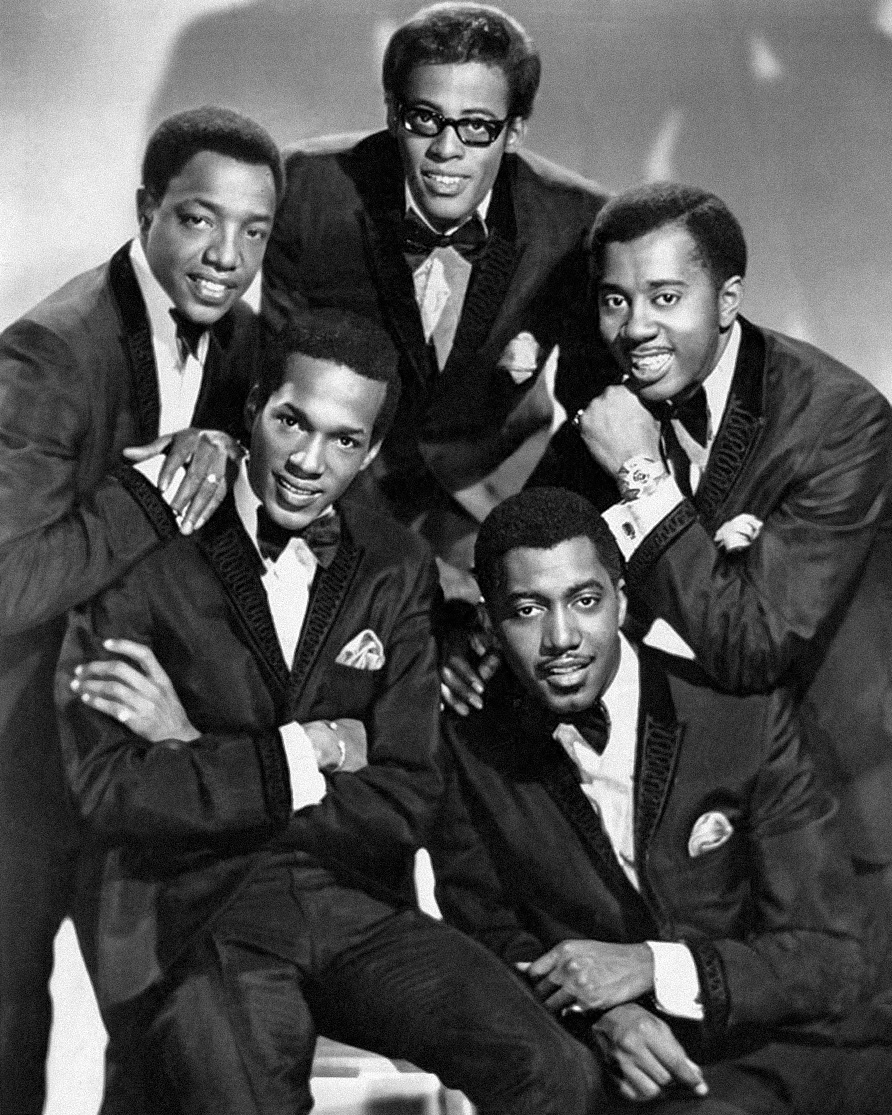
Initially formed from the merger of two Detroit vocal groups, The Primes and The Distants, the classic lineup of Otis Williams, Melvin Franklin, Eddie Kendricks, Paul Williams, and David Ruffin became synonymous with the Motown machine. Under the guidance of producers like Smokey Robinson and Norman Whitfield, they delivered a string of timeless hits, including "My Girl," "Ain't Too Proud to Beg," and "I Can't Get Next to You." Their visual flair, synchronized dance routines, and sophisticated fashion sense also set them apart, making them not just musicians but true entertainers.
The group's journey was marked by significant personnel shifts, a common thread in long-standing musical ensembles, yet they consistently reinvented themselves. The transition from the smooth, romantic ballads of their early years to the grittier, politically charged sounds of the "psychedelic soul" era, spearheaded by Whitfield, demonstrated their adaptability and willingness to confront the social issues of the late 1960s and early 1970s. This evolution cemented their status as artists who could both entertain and provoke thought, securing their place in the pantheon of music legends.
🎬 The Making of a Legend
The 1998 television miniseries "The Temptations" chronicles the meteoric rise and tumultuous journey of the legendary Motown group. Produced by Debra Martin Chase and directed by Tom Rickman, the film meticulously reconstructs the group's early days in Detroit, their discovery by Berry Gordy Jr., and their ascent to superstardom under the Motown banner. It delves into the intense creative process, the pressures of the music industry, and the complex interpersonal dynamics that defined the group's internal landscape. The narrative captures the essence of their signature sound, the visual spectacle of their performances, and the cultural impact they wielded during a pivotal era in American history.
📖 The Story Unfolds
The miniseries focuses on the core members who forged the group's classic sound: the smooth tenor of Eddie Kendricks, the powerful baritone of David Ruffin, the steady bass of Melvin Franklin, the smooth falsetto of Paul Williams, and the enduring presence of Otis Williams. It portrays their early struggles, the fierce competition for vocal solos, and the personal sacrifices made in pursuit of fame. Key performances, such as the recording of "My Girl" and the evolution into the socially charged "Psychedelic Soul" era under Norman Whitfield, are vividly depicted, showcasing the artistic tensions and triumphs that shaped their iconic discography.
🏆 Critical Acclaim
Upon its release, "The Temptations" garnered significant critical acclaim and was a ratings success, earning Emmy Award nominations, including Outstanding Miniseries. The performances of the lead actors, particularly Charles Malik Whitfield as David Ruffin and Deon Richmond as Eddie Kendricks, were widely praised for their authenticity and emotional depth. The miniseries resonated with audiences by capturing the nostalgic appeal of the Motown era and offering an intimate look at the human drama behind the music, solidifying its status as a definitive portrayal of the group's story.
✨ Enduring Influence
The legacy of "The Temptations" extends beyond the miniseries itself, underscoring the group's enduring influence on music and performance. The film serves as a powerful reminder of their pioneering role in shaping the R&B and soul genres, their innovative approach to stagecraft, and their ability to connect with audiences on both an emotional and intellectual level. It highlights how their music, often tackling themes of love, loss, and social justice, continues to be relevant and cherished by new generations, inspiring countless artists and solidifying their place as musical icons. The ongoing success of the group, still performing with original members and evolving lineups, is a testament to the timeless appeal of their sound and story.
Key Facts
- Year
- 1998
- Origin
- USA
- Category
- videos
- Type
- tv-show
Frequently Asked Questions
Who were the original members of The Temptations?
The classic lineup that achieved early success consisted of Otis Williams, Melvin Franklin, Eddie Kendricks, Paul Williams, and David Ruffin.
What are The Temptations' most famous songs?
Some of their biggest hits include "My Girl," "Ain't Too Proud to Beg," "Get Ready," "(I Know) I'm Losing You," and "Papa Was a Rollin' Stone."
Did The Temptations win any major awards?
Yes, the group has won three Grammy Awards and was inducted into the Rock and Roll Hall of Fame in 1989. The miniseries itself received Emmy and Golden Globe nominations.
What made The Temptations' music unique?
Their unique sound came from a combination of smooth vocal harmonies, charismatic lead singers, sophisticated songwriting and production by figures like Smokey Robinson and Norman Whitfield, and their dynamic stage performances.