
Contents
Overview
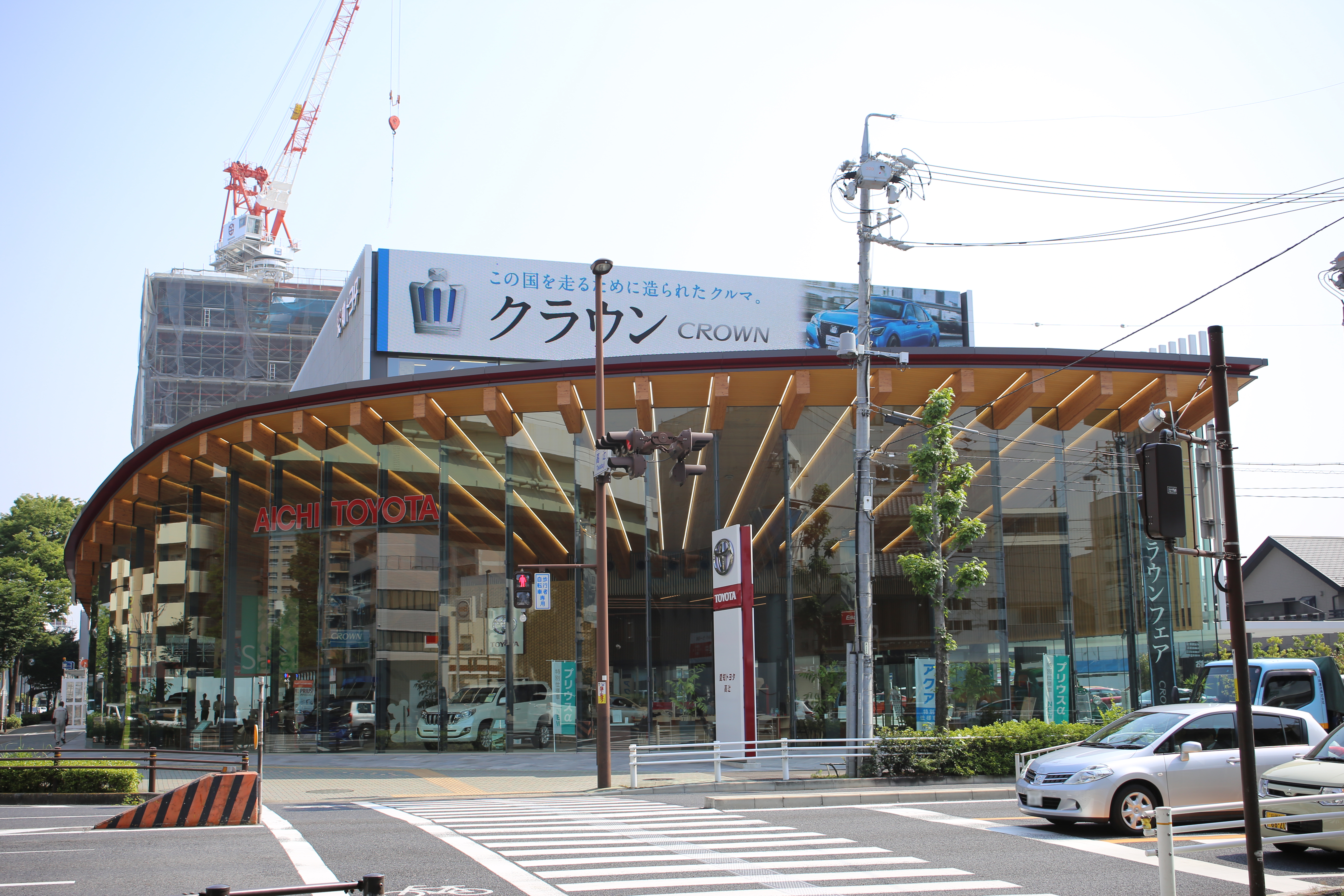
The genesis of the Toyota dealership network is intrinsically linked to the rise of Toyota Motor Corporation itself, which began producing automobiles in the 1930s. Early distribution in Japan was fragmented, with different sales channels emerging to cater to specific vehicle lines and customer segments. The establishment of distinct dealership chains like Toyota Store, Toyopet Store, Toyota Corolla Store, and Netz Store created a competitive yet controlled market within Japan. This strategy aimed to maintain brand exclusivity and target diverse consumer needs. Internationally, Toyota's expansion post-World War II saw the gradual establishment of independent dealerships, often through partnerships with local entrepreneurs, mirroring the brand's commitment to quality and reliability that would become its hallmark. The evolution from exclusive model offerings to a unified sales approach in Japan in 2020 signifies a major shift in Toyota's domestic retail strategy, aiming for greater customer convenience and brand synergy.
⚙️ How It Works
A Toyota dealership functions as a microcosm of the larger Toyota Motor Corporation's operational philosophy. Sales staff are trained to understand the nuances of each Toyota model, from the fuel-efficient Prius to the rugged Tacoma. The service department operates under strict guidelines, utilizing Toyota-certified technicians and diagnostic tools to perform maintenance and repairs, adhering to the principles of the Toyota Production System for efficiency and waste reduction. Parts departments stock genuine Toyota parts, ensuring compatibility and longevity. Inventory management, customer relationship management (CRM) systems, and financing arms are all integrated to provide a comprehensive automotive retail experience, often supported by regional Toyota offices that provide marketing, training, and operational guidance.
📊 Key Facts & Numbers
Globally, there are an estimated 14,000 Toyota dealerships. In 2023, Toyota Motor Corporation reported selling over 11.2 million vehicles worldwide, with dealerships playing a pivotal role in achieving this figure. The average Toyota dealership can generate revenues ranging from $50 million to over $200 million annually, depending on market size and sales volume. Service departments alone can contribute 30-40% of a dealership's total profit. The average price of a new Toyota vehicle in the U.S. hovers around $40,000, with Toyota holding approximately 15% of the U.S. market share. Dealerships typically employ between 50 to 200 staff members, including sales consultants, service technicians, parts specialists, and administrative personnel.
👥 Key People & Organizations
The Toyota dealership network is built upon a foundation of key individuals and organizations. Akio Toyoda, former President and CEO of Toyota Motor Corporation, championed customer-centric approaches that influenced dealership operations. James Lentz, former CEO of Toyota Motor North America, oversaw significant expansion and strategic shifts in the North American dealership network. Individual dealership owners, often multi-generational business operators, are critical to local market success. Organizations like the Toyota Dealer Council (TDC) in various regions serve as liaisons between dealers and the manufacturer, addressing common concerns and collaborating on strategic initiatives. The National Automobile Dealers Association (NADA) also provides advocacy and resources for dealership owners across the United States.
🌍 Cultural Impact & Influence
Toyota dealerships are more than just points of sale; they are cultural touchstones in communities worldwide. They often serve as local employers and sponsors of community events, fostering goodwill and brand loyalty. The consistent design and service standards across dealerships reinforce the global image of Toyota as a reliable and trustworthy brand. For many, the first Toyota vehicle purchased, often from a local dealership, represents a significant life milestone, cementing emotional connections to the brand. The dealership experience itself, from the showroom aesthetic to the service advisor's demeanor, contributes to the overall 'vibe' of owning a Toyota, influencing perceptions of quality and customer care. The introduction of electric vehicles like the bZ4X is further shaping this cultural role, positioning dealerships as hubs for new mobility solutions.
⚡ Current State & Latest Developments
The current landscape for Toyota dealerships is marked by significant technological integration and evolving consumer expectations. Dealerships are increasingly investing in digital retail platforms, allowing customers to browse inventory, configure vehicles, and even initiate purchase processes online. The rollout of Toyota's EV strategy, including models like the bZ4X and future hybrid and battery-electric offerings, requires dealerships to upgrade service facilities and train technicians on new powertrains. Furthermore, Toyota Motor Corporation is pushing for enhanced customer data utilization to personalize marketing and service offerings, aiming to deepen relationships beyond the initial sale. The consolidation of sales channels in Japan in 2020 is a prime example of adapting the retail network for future demands.
🤔 Controversies & Debates
A persistent controversy surrounding Toyota dealerships, particularly in North America, revolves around pricing and markups, especially for high-demand models like the GR Corolla or RAV4 Hybrid. Another debate centers on the pace of Toyota's EV transition; some critics argue that dealerships are not adequately prepared or incentivized to push Toyota's limited EV offerings compared to competitors like Tesla or Hyundai, potentially hindering the brand's adoption of new technologies. The relationship between manufacturer mandates and dealer autonomy also sparks debate, particularly concerning facility upgrades and inventory requirements.
🔮 Future Outlook & Predictions
The future of Toyota dealerships is inextricably linked to the broader automotive industry's shift towards electrification, autonomy, and digital-first customer experiences. Expect dealerships to evolve into mobility hubs, offering not just sales and service but also subscription services, charging infrastructure, and potentially even autonomous vehicle support. The emphasis will likely shift from pure vehicle sales to lifetime customer value, with dealerships playing a crucial role in managing software updates, battery health, and integrated digital services. Toyota Motor Corporation's commitment to hybrid technology will continue to shape dealership offerings, but the eventual transition to full electric vehicles will necessitate significant investment and retraining. Dealerships that successfully adapt to these changes, embracing technology and customer-centricity, will thrive, while those resistant to evolution may face consolidation or closure.
💡 Practical Applications
Toyota dealerships are central to the practical application of Toyota's automotive products. They serve as the primary point of sale for new vehicles, offering various financing options and lease programs tailored to individual buyers. For existing owners, dealerships provide essential maintenance services, including oil changes, tire rotations, and brake repairs, often utilizing Toyota-certified technicians and genuine Toyota parts. They are also hubs for pre-owned vehicle sales, offering
Key Facts
- Category
- platforms
- Type
- topic