
Contents
Overview
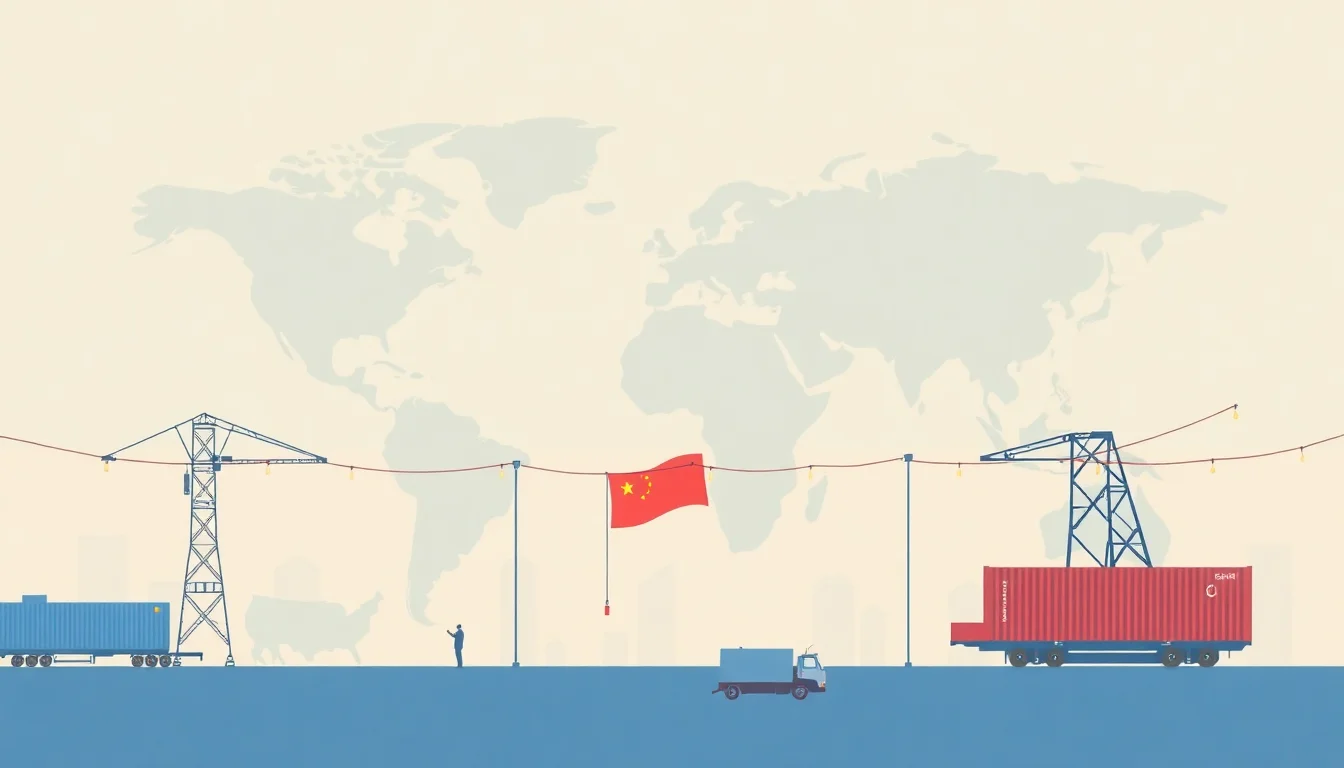
Trade tensions refer to the economic and political strain between nations due to disagreements over trade policies, tariffs, and market access. The ongoing trade war between the United States and China, which began in 2018, has been a major catalyst for global trade tensions, with both countries imposing tariffs on each other's goods. According to a report by the International Monetary Fund (IMF), trade tensions have resulted in a 0.8% decline in global trade growth, with the World Trade Organization (WTO) estimating that the trade war has affected over $2.5 trillion in global trade. The European Union, Japan, and other nations have also been impacted by trade tensions, with some countries experiencing significant losses in exports and economic growth. As trade tensions continue to escalate, experts warn of a potential global recession, with the OECD predicting a 1.4% decline in global GDP growth by 2025. The situation is further complicated by the rise of protectionism, with some nations adopting 'America First' or 'China First' policies, which prioritize domestic industries over international cooperation.
🌎 Introduction to Trade Tensions
Trade tensions refer to the strained relationships between countries due to disagreements over trade policies, tariffs, and other economic issues. This phenomenon is not new, but it has gained significant attention in recent years due to the rise of Globalization and the increasing interconnectedness of the world economy. The World Trade Organization (WTO) plays a crucial role in regulating international trade and resolving trade disputes. For instance, the China-US Trade War has been a major point of contention, with both countries imposing tariffs on each other's goods. To understand the complexities of trade tensions, it's essential to explore the History of Trade and its evolution over time.
📍 Global Hotspots
Global hotspots for trade tensions include the Asia-Pacific region, where countries like China, Japan, and South Korea are major players. The European Union is also a significant player in global trade, with countries like Germany and France being major exporters. The United States is another key player, with its trade policies having a significant impact on the global economy. For example, the US-Mexico-Canada Agreement (USMCA) has replaced the North American Free Trade Agreement (NAFTA). To navigate these complex relationships, it's essential to understand the Geopolitics of Trade and how they influence international relations.
💰 Economic Impact
The economic impact of trade tensions can be significant, with Tariffs and other trade barriers affecting businesses and consumers alike. The International Monetary Fund (IMF) has warned that trade tensions could lead to a slowdown in global economic growth. For instance, the Trade War between the US and China has resulted in higher prices for consumers and reduced profits for businesses. To mitigate these effects, countries are exploring alternative trade agreements, such as the Comprehensive and Progressive Agreement for Trans-Pacific Partnership (CPTPP). It's essential to understand the Economics of Trade and how they impact the global economy.
📊 Key Statistics
Some key statistics to illustrate the impact of trade tensions include the fact that global trade growth has slowed down significantly in recent years. According to the World Trade Organization (WTO), global trade growth was just 1.3% in 2020, down from 3.8% in 2017. The United States has imposed tariffs on over $360 billion worth of Chinese goods, while China has retaliated with tariffs on over $110 billion worth of US goods. To put these numbers into perspective, it's essential to understand the Statistics of Trade and how they reflect the current state of the global economy. For example, the Trade Deficit between the US and China has been a major point of contention, with the US seeking to reduce its deficit through tariffs and other trade barriers.
📰 Recent Developments
Recent developments in trade tensions include the signing of the US-Mexico-Canada Agreement (USMCA) and the United States-Japan Trade Agreement. The European Union has also been actively engaged in trade negotiations, including the EU-Japan Economic Partnership Agreement. However, the COVID-19 pandemic has disrupted global supply chains and exacerbated trade tensions. To navigate these challenges, it's essential to stay up-to-date with the latest Trade News and developments. For instance, the World Health Organization (WHO) has warned that trade restrictions could hinder the global response to the pandemic.
🤝 International Cooperation
International cooperation is essential to resolving trade tensions and promoting free trade. The World Trade Organization (WTO) plays a crucial role in regulating international trade and resolving trade disputes. The G20 grouping of major economies has also been actively engaged in promoting free trade and reducing trade tensions. For example, the G20 Summit has brought together leaders from major economies to discuss trade and economic issues. To promote international cooperation, it's essential to understand the Diplomacy of Trade and how it can facilitate dialogue and negotiation between countries.
🚫 Trade Barriers
Trade barriers, including Tariffs and Non-Tariff Barriers, can have a significant impact on international trade. The United States has imposed tariffs on a wide range of goods, including Steel and Aluminum. China has also imposed tariffs on US goods, including Soybeans and Aircraft. To navigate these trade barriers, it's essential to understand the Trade Agreements that govern international trade and how they can be used to reduce trade tensions. For instance, the Korea-US Free Trade Agreement has facilitated trade between the two countries and reduced trade barriers.
💸 Tariffs and Taxes
Tariffs and taxes can have a significant impact on the cost of goods and services. The United States has imposed tariffs on a wide range of goods, including Electronics and Automobiles. China has also imposed tariffs on US goods, including Agricultural Products and Energy. To understand the impact of tariffs and taxes, it's essential to explore the Taxation of Trade and how it affects the global economy. For example, the Value-Added Tax (VAT) is a common tax imposed on goods and services in many countries.
📈 Future Outlook
The future outlook for trade tensions is uncertain, with many experts predicting that trade tensions will continue to escalate in the coming years. The COVID-19 pandemic has disrupted global supply chains and exacerbated trade tensions. However, there are also opportunities for countries to work together to promote free trade and reduce trade tensions. To navigate these challenges, it's essential to stay up-to-date with the latest Trade Forecasts and developments. For instance, the International Trade Centre (ITC) has warned that trade tensions could lead to a decline in global trade growth.
📊 Comparison with Similar Issues
In comparison to similar issues, trade tensions are a major challenge facing the global economy. The Global Financial Crisis of 2008 highlighted the importance of international cooperation and free trade. The Brexit referendum in the United Kingdom has also had a significant impact on trade tensions, with the UK seeking to negotiate new trade agreements with the European Union and other countries. To understand the implications of these developments, it's essential to explore the Economics of Brexit and how they affect the global economy.
👥 Expert Insights
Expert insights on trade tensions include the view that trade tensions are a major challenge facing the global economy. The International Monetary Fund (IMF) has warned that trade tensions could lead to a slowdown in global economic growth. The World Trade Organization (WTO) has also warned that trade tensions could have a significant impact on international trade. To navigate these challenges, it's essential to understand the Geopolitics of Trade and how they influence international relations. For example, the China-US Trade War has been a major point of contention, with both countries seeking to promote their national interests.
Key Facts
- Year
- 2018
- Origin
- United States-China Trade War
- Category
- Geopolitics
- Type
- Economic Concept
Frequently Asked Questions
What are trade tensions?
Trade tensions refer to the strained relationships between countries due to disagreements over trade policies, tariffs, and other economic issues. This phenomenon is not new, but it has gained significant attention in recent years due to the rise of Globalization and the increasing interconnectedness of the world economy. The World Trade Organization (WTO) plays a crucial role in regulating international trade and resolving trade disputes. For instance, the China-US Trade War has been a major point of contention, with both countries imposing tariffs on each other's goods.
What are the causes of trade tensions?
The causes of trade tensions are complex and multifaceted. They include disagreements over trade policies, tariffs, and other economic issues. The United States has imposed tariffs on a wide range of goods, including Steel and Aluminum. China has also imposed tariffs on US goods, including Soybeans and Aircraft. To understand the causes of trade tensions, it's essential to explore the History of Trade and its evolution over time. For example, the Smoot-Hawley Tariff Act of 1930 is often cited as an example of how protectionist policies can lead to trade wars.
What are the effects of trade tensions?
The effects of trade tensions can be significant, with Tariffs and other trade barriers affecting businesses and consumers alike. The International Monetary Fund (IMF) has warned that trade tensions could lead to a slowdown in global economic growth. For instance, the Trade War between the US and China has resulted in higher prices for consumers and reduced profits for businesses. To mitigate these effects, countries are exploring alternative trade agreements, such as the Comprehensive and Progressive Agreement for Trans-Pacific Partnership (CPTPP).
How can trade tensions be resolved?
Resolving trade tensions requires international cooperation and a commitment to free trade. The World Trade Organization (WTO) plays a crucial role in regulating international trade and resolving trade disputes. The G20 grouping of major economies has also been actively engaged in promoting free trade and reducing trade tensions. For example, the G20 Summit has brought together leaders from major economies to discuss trade and economic issues. To promote international cooperation, it's essential to understand the Diplomacy of Trade and how it can facilitate dialogue and negotiation between countries.
What is the future outlook for trade tensions?
The future outlook for trade tensions is uncertain, with many experts predicting that trade tensions will continue to escalate in the coming years. The COVID-19 pandemic has disrupted global supply chains and exacerbated trade tensions. However, there are also opportunities for countries to work together to promote free trade and reduce trade tensions. To navigate these challenges, it's essential to stay up-to-date with the latest Trade Forecasts and developments. For instance, the International Trade Centre (ITC) has warned that trade tensions could lead to a decline in global trade growth.
What are the implications of trade tensions for businesses?
The implications of trade tensions for businesses can be significant, with Tariffs and other trade barriers affecting profits and competitiveness. The United States has imposed tariffs on a wide range of goods, including Electronics and Automobiles. China has also imposed tariffs on US goods, including Agricultural Products and Energy. To navigate these challenges, it's essential to understand the Economics of Trade and how they impact the global economy. For example, the Korea-US Free Trade Agreement has facilitated trade between the two countries and reduced trade barriers.
What are the implications of trade tensions for consumers?
The implications of trade tensions for consumers can be significant, with higher prices and reduced availability of goods. The Trade War between the US and China has resulted in higher prices for consumers and reduced profits for businesses. To mitigate these effects, countries are exploring alternative trade agreements, such as the Comprehensive and Progressive Agreement for Trans-Pacific Partnership (CPTPP). It's essential to understand the Consumer Impact of Trade and how it affects the global economy.