
Contents
Overview
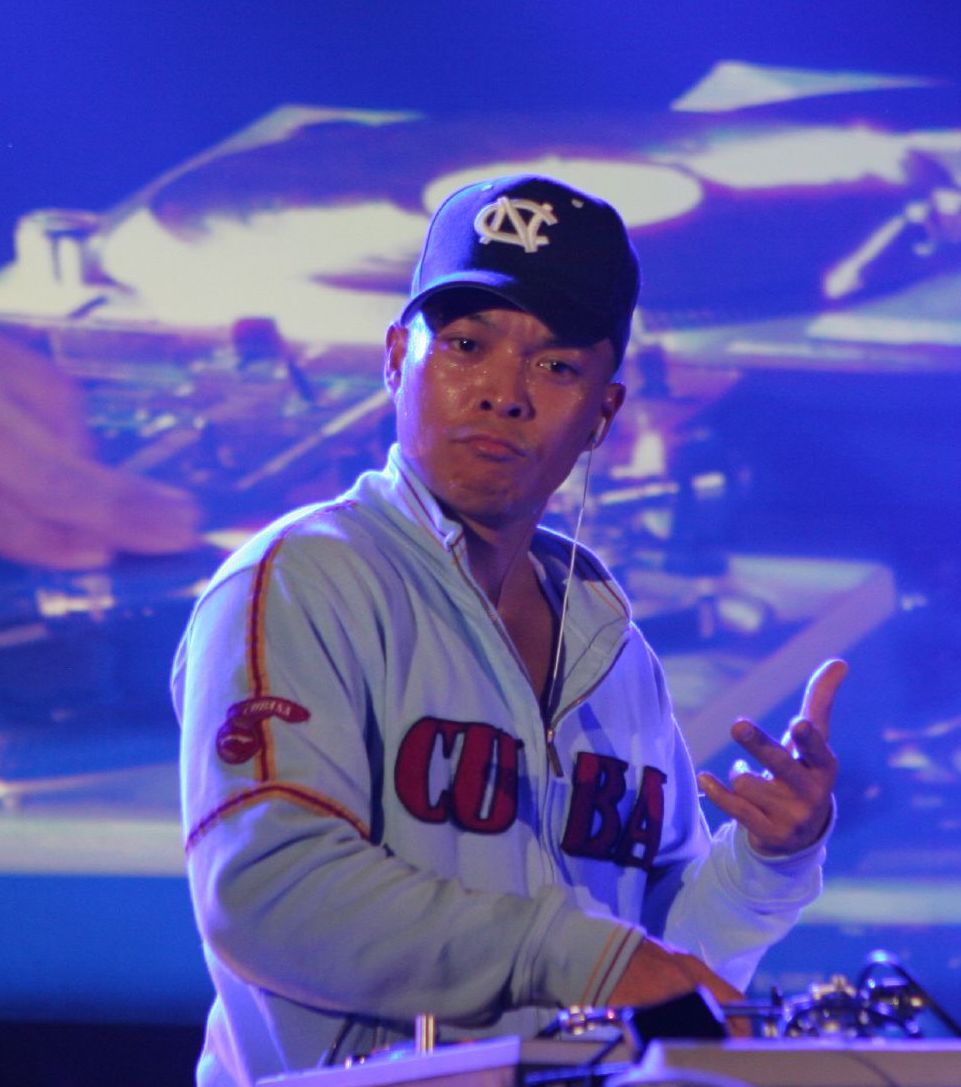
Turntablism is the art form of using turntables and a DJ mixer to create new music, sound effects, and rhythmic compositions, transcending the traditional role of a DJ as a mere selector. Through techniques like scratching, beat juggling, and transform scratching, artists manipulate vinyl records to produce percussive sounds, melodic phrases, and intricate sonic textures. This practice demands exceptional dexterity, rhythmic precision, and a deep understanding of sound manipulation, pushing the boundaries of what's possible with recorded audio. Its influence has permeated various musical genres and continues to evolve with technological advancements, solidifying its status as a vital and dynamic art form.
🎵 Origins & History
Pioneers like DJ Kool Herc began extending instrumental breaks of funk and soul records using two identical turntables, a technique known as breakbeat DJing, laying the groundwork for rhythmic manipulation. By the late 1980s and early 1990s, artists like Grandmaster Flash and Afrika Bambaataa had already developed foundational scratching techniques. The DMC World DJ Championships fostered innovation and showcased the art form's growing complexity. The Skratch 'n Sniff collective and publications like Scratch Magazine further amplified the culture, documenting techniques and celebrating its practitioners.
⚙️ How It Works
At its core, turntablism relies on the precise manipulation of vinyl records on turntables connected to a DJ mixer equipped with a crossfader. The turntablist uses their hands to move the record back and forth against the stylus, creating the characteristic 'scratch' sound. This is often synchronized with the mixer's crossfader, allowing for rapid cuts and rhythmic patterns. Beat juggling involves manipulating two copies of the same record to create entirely new rhythmic sequences and drum patterns, akin to a drummer playing a solo. Transform scratching utilizes the crossfader in conjunction with hand movements to create distinct tonal shifts and percussive effects. Advanced techniques often involve using multiple turntables, headphones for cueing, and specialized vinyl records containing various sounds and scratch loops, transforming the setup into a sophisticated sonic instrument.
📊 Key Facts & Numbers
The art of turntablism has seen significant growth since its inception. The global market for DJ equipment, including turntables and mixers essential for turntablism, was valued at approximately $1.5 billion in 2022 and is projected to reach $2.1 billion by 2028. Over 10,000 unique scratch sounds have been cataloged by dedicated enthusiasts, showcasing the vast sonic palette available. The average practice time for aspiring turntablists to master basic scratching techniques is estimated to be between 500 to 1,000 hours, with professionals dedicating upwards of 10,000 hours to their craft.
👥 Key People & Organizations
Key figures in turntablism include DJ Kool Herc, widely credited with pioneering breakbeat DJing in the 1970s. Grandmaster Flash revolutionized scratching techniques in the late 1970s and early 1980s with innovations like the 'Quick Mix Theory'. DJ Qbert is a pivotal figure who, along with DJ Apocalypse and DJ Mixmaster Mike, popularized the term 'turntablism' and developed numerous advanced techniques in the 1990s, earning multiple DMC World DJ Championship titles. Organizations like the DMC World DJ Championships and the Red Bull Music Academy have been instrumental in fostering and promoting turntablism. Companies such as Technics (with its iconic SL-1200 turntable) and Roland have provided the essential hardware that underpins the art form.
🌍 Cultural Impact & Influence
Turntablism has profoundly influenced not only hip-hop music but also genres like electronic dance music, jazz fusion, and experimental music. Its sonic vocabulary has been adopted by producers and artists across the musical spectrum, adding a unique textural and rhythmic dimension. The visual aspect of turntablism, with its intricate hand movements and stage presence, has also influenced performance art and DJ culture globally. Competitions like the DMC World DJ Championships serve as major cultural touchstones. The art form's DIY ethos and emphasis on skill have inspired countless individuals to pick up turntables, fostering a vibrant subculture that values creativity and technical mastery.
⚡ Current State & Latest Developments
In the current landscape of 2024-2025, turntablism continues to thrive, albeit with evolving tools and platforms. While traditional vinyl remains central, digital turntablism using Serato DJ Pro and Traktor Pro software, alongside DVS (Digital Vinyl System) technology, offers new avenues for sonic exploration. New generations of turntablists are emerging, blending classic techniques with modern production methods. Online platforms like YouTube and Twitch have become crucial for sharing tutorials, performances, and battles, reaching a wider audience than ever before. Major events like the Red Bull Music Academy continue to support emerging talent, ensuring the art form's continued relevance and innovation. The development of new controllers and software continues to push the boundaries of what's technically possible.
🤔 Controversies & Debates
A significant debate within turntablism revolves around the definition of 'authenticity' versus 'innovation.' Some purists argue that true turntablism must exclusively use vinyl records and analog mixers, viewing digital implementations with skepticism. Conversely, others champion the use of DVS and controllers, seeing them as natural evolutions that expand the art form's capabilities. Another point of contention is the competitive aspect: while competitions like the DMC World DJ Championships have been crucial for showcasing skill, critics argue that the focus on technical prowess can sometimes overshadow musicality and creativity. The commercialization of turntablism, with its integration into mainstream music production and performance, also sparks debate about its preservation as a distinct art form versus its assimilation into broader musical trends.
🔮 Future Outlook & Predictions
The future of turntablism appears to be a hybrid one, seamlessly integrating analog and digital methodologies. Expect continued innovation in DVS technology, with software and hardware becoming more intuitive and powerful, allowing for even more complex sonic manipulations. The rise of AI-assisted music production might also intersect with turntablism, potentially creating new tools or collaborative possibilities. Furthermore, as the appreciation for tangible, physical media grows, the demand for vinyl-based turntablism is likely to remain strong, ensuring its place in both underground scenes and mainstream performances. The art form's inherent adaptability suggests it will continue to evolve, finding new expressions in emerging musical genres and technological advancements.
💡 Practical Applications
Turntablism finds practical application far beyond the DJ booth. In music production, turntablists' techniques are sampled and incorporated into beats and soundscapes by producers across genres, from hip-hop to electronic music. It's used in live performance as a dynamic visual and sonic element, adding improvisation and texture to sets. Turntablism also serves as a powerful educational tool, teaching rhythm, timing, and sonic manipulation skills. Furthermore, it's employed in sound design for film and video games, creating unique sound effects. The development of specialized vinyl records containing sound effects and loops has also opened up avenues for experimental sound art and composition, demonstrating its versatility.
Key Facts
- Category
- culture
- Type
- topic