
Contents
Overview
The economic foundation of the United Arab Emirates was forged in the mid-20th century with the discovery of vast oil reserves, transforming a collection of Trucial States into a unified nation with immense wealth. Prior to the oil boom, the region's economy was largely based on pearling, fishing, and trade. The pivotal moment arrived with the discovery of oil in Abu Dhabi, followed by significant finds in Dubai. The formation of the UAE allowed for the pooling of these resources and the ambitious development of infrastructure and social services. Early economic policy focused on leveraging hydrocarbon wealth to build a modern state, with oil revenues funding everything from schools and hospitals to international airports and ports. The initial reliance on oil exports, particularly from Abu Dhabi, was absolute, a dependency that would later drive diversification efforts.
⚙️ How It Works
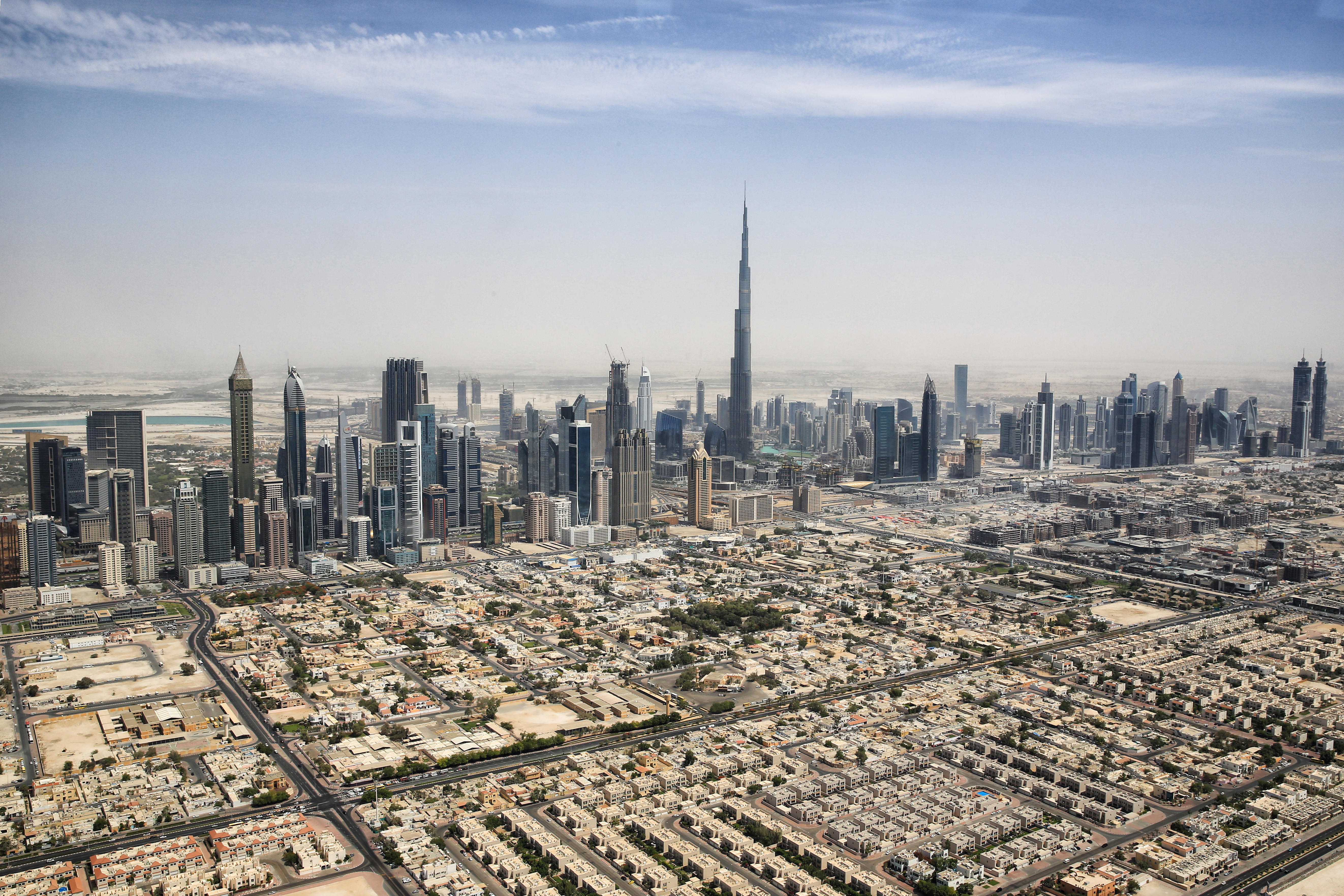
The UAE economy operates as a high-income developing market economy, characterized by an open-door policy towards foreign investment and trade, while also adhering to principles of Islamic economics. Its structure is a federation of seven emirates, each with a degree of economic autonomy, though major policy decisions are often coordinated. Abu Dhabi remains the primary hub for oil and gas production, controlling the vast majority of the nation's hydrocarbon reserves and influencing national economic strategy through entities like the Abu Dhabi National Oil Company (ADNOC). Dubai, conversely, has strategically positioned itself as a global center for tourism, finance, real estate, and logistics, driven by visionary projects like Burj Khalifa and the development of Dubai International Airport. Other emirates like Sharjah and Ras Al Khaimah are also pursuing their own diversification paths, focusing on manufacturing, logistics, and tourism. The economy is heavily integrated into global markets, with free zones offering significant incentives for foreign businesses, and a regulatory framework that aims to attract international capital and talent.
📊 Key Facts & Numbers
The UAE's economic might is quantifiable. Hydrocarbons remain a significant, though diminishing, contributor. The UAE is a major global player in oil production. In terms of trade, the UAE is a member of the World Trade Organization (WTO) and the UNCTAD, with non-oil exports reaching over US$250 billion annually in recent years. The country hosts over 45,000 businesses in its free zones, attracting billions in foreign direct investment (FDI) each year, with FDI inflows averaging around US$10 billion annually in the period 2020-2022.
👥 Key People & Organizations
Key figures and organizations shape the UAE's economic trajectory. Sheikh Mohamed bin Zayed Al Nahyan, the current President of the UAE and Ruler of Abu Dhabi, has been instrumental in driving economic vision and diversification strategies, particularly through initiatives like Abu Dhabi Vision 2030. His predecessor, Sheikh Khalifa bin Zayed Al Nahyan, also oversaw significant economic expansion and infrastructure development. In Dubai, Sheikh Mohammed bin Rashid Al Maktoum, Vice President and Prime Minister of the UAE and Ruler of Dubai, is widely credited with transforming the emirate into a global metropolis through ambitious projects and a pro-business environment. Key economic institutions include the Central Bank of the UAE, responsible for monetary policy and financial stability, and sovereign wealth funds like the Abu Dhabi Investment Authority (ADIA), one of the world's largest, managing trillions in assets. The Dubai Chamber of Commerce and Industry and its counterparts in other emirates play a crucial role in advocating for businesses and fostering trade.
🌍 Cultural Impact & Influence
The UAE's economic transformation has had a profound cultural impact, both domestically and internationally. The nation has transitioned from a regional trading and pearling economy to a global hub for business, tourism, and finance, influencing urban development models worldwide. The ambitious architectural projects, such as the Burj Al Arab and The Dubai Mall, have become iconic symbols of modernity and luxury, attracting millions of visitors and shaping global perceptions of the region. The hospitality sector, a major non-commodity revenue source, has fostered a diverse cultural landscape, catering to a cosmopolitan population and international clientele. This economic prowess has also enabled significant investment in arts and culture, with initiatives like Louvre Abu Dhabi and the SCO cultural events showcasing the UAE's growing influence on the global stage. The economic model itself, blending free-market principles with Islamic finance and state-led development, has become a subject of study and emulation in other developing nations.
⚡ Current State & Latest Developments
In the current economic climate of 2024-2025, the UAE continues to push forward with its diversification agenda, aiming to reduce its reliance on oil revenue. Major initiatives include the expansion of renewable energy projects, such as the Mohammed bin Rashid Al Maktoum Solar Park, and significant investments in technology and innovation, including artificial intelligence and blockchain. The country is actively promoting its status as a global business hub, attracting multinational corporations and startups through favorable regulations and tax incentives. Dubai's Expo 2020 legacy continues to drive tourism and business, while Abu Dhabi is focusing on sectors like advanced manufacturing, healthcare, and financial services, as outlined in Abu Dhabi Economic Vision 2030. The nation is also playing a more prominent role in global trade and investment, seeking to forge new partnerships and strengthen existing economic ties, particularly with Asian and African markets.
🤔 Controversies & Debates
The UAE's economic model is not without its controversies and debates. A primary concern is the ongoing reliance on hydrocarbon revenues, despite diversification efforts, which leaves the economy vulnerable to global oil price fluctuations. Critics question the sustainability of rapid development, particularly concerning environmental impact and labor practices in large-scale construction projects, a point of contention highlighted by various human rights organizations. The significant influx of foreign labor, while crucial for economic growth, raises questions about social integration and workers' rights. Furthermore, the concentration of wealth and economic power within a few ruling families and entities is a subject of ongoing discussion. The balance between an open market economy and state intervention, particularly through sovereign wealth funds and state-owned enterprises like Emirates Airline, is also a point of debate among economists regarding market efficiency and competition.
🔮 Future Outlook & Predictions
The future trajectory of the UAE economy is poised for continued growth and transformation, with a strong emphasis on innovation and sustainability. Projections indicate a sustained increase in non-oil GDP, driven by strategic investments in sectors such as technology, renewable energy, and advanced industries. The nation aims to become a leader in the global green economy, with ambitious targets for carbon n
Key Facts
- Category
- economy
- Type
- topic