
Contents
- 🍞 What is Underproofing and Why It Matters
- 📉 The Subtle Signs of a Dough's Distress
- 🔬 The Science Behind the Struggle: Yeast vs. Time
- ⚖️ Underproofing vs. Overproofing: A Crucial Distinction
- 💡 Practical Tips for Perfect Proofing
- 📈 Vibe Score & Controversy Spectrum
- 🤔 Common Pitfalls and How to Avoid Them
- 🚀 The Future of Proofing: Technology and Tradition
- Frequently Asked Questions
- Related Topics
Overview
Underproofing, often called the dough's silent scream, is the failure of dough to rise sufficiently during the fermentation process. This isn't just about a flatter loaf; it's a fundamental disruption of the chemical and physical reactions that create bread's characteristic texture, flavor, and structure. When dough is underproofed, the yeast hasn't had enough time to consume sugars and produce the carbon dioxide gas that inflates the dough, nor has it developed the complex flavor compounds we associate with well-fermented bread. Bakers, from the home kitchen warrior to the professional artisan, must understand this stage to avoid a dense, gummy, and ultimately disappointing final product. Mastering proofing is a cornerstone of artisan bread and even simple sandwich bread.
📉 The Subtle Signs of a Dough's Distress
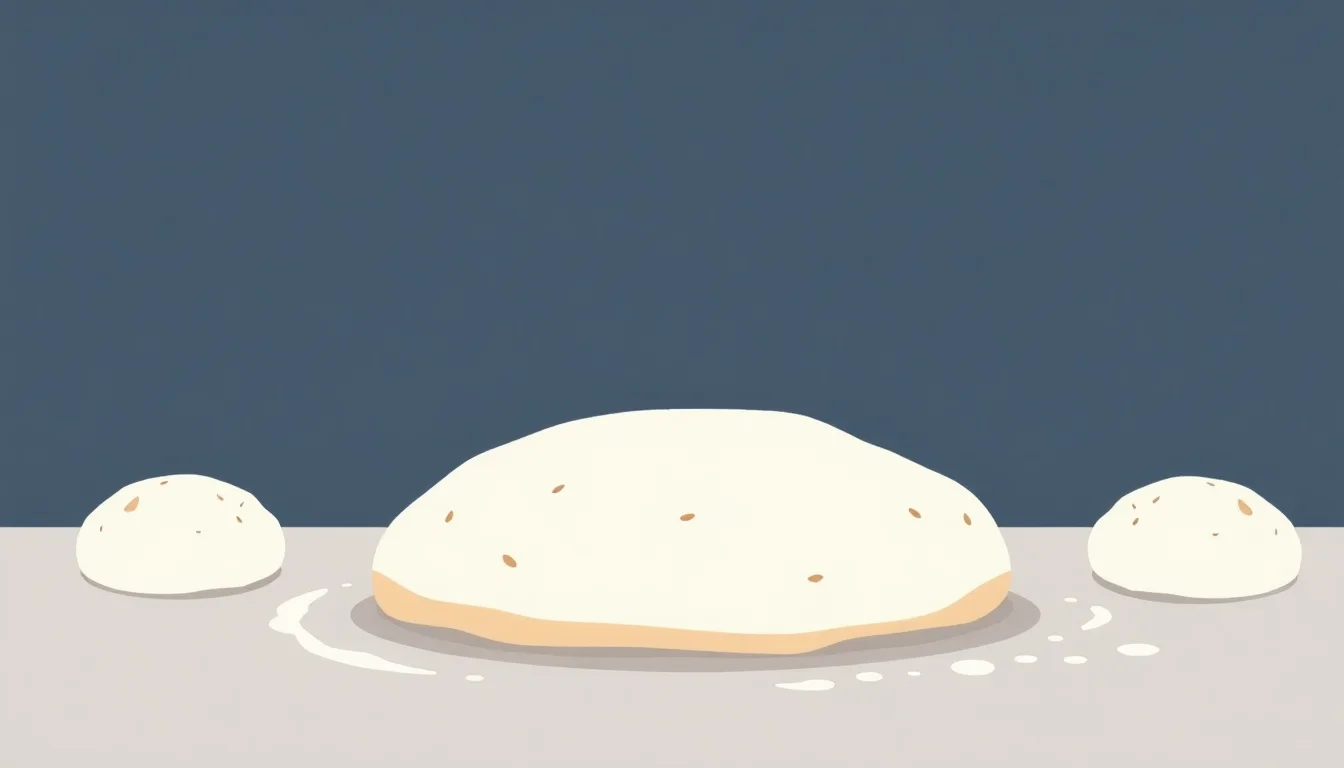
Recognizing underproofing requires a keen eye and a gentle touch. Visually, an underproofed dough might appear smaller than expected after its proofing time, lacking the airy, pillowy quality of a properly risen dough. When poked, the indentation made by a floured finger will spring back almost immediately, a stark contrast to the slow, partial recovery seen in a well-proofed dough. The surface might feel tight and inelastic, rather than relaxed and slightly bubbly. This lack of expansion is a direct indicator that the yeast hasn't reached its full potential, impacting the final crumb structure and overall mouthfeel of the baked good. Paying attention to these subtle signs is crucial for baking success.
🔬 The Science Behind the Struggle: Yeast vs. Time
The core of underproofing lies in the delicate dance between yeast metabolism and time. Yeast, a single-celled fungus, feasts on the sugars present in the flour, releasing carbon dioxide (CO2) and ethanol as byproducts. This CO2 gas gets trapped by the gluten network, causing the dough to expand. Underproofing means this process was cut short. Insufficient time, too low a temperature, or an imbalance in ingredients like salt or sugar can inhibit yeast activity, preventing adequate CO2 production. The gluten structure, while present, doesn't get the necessary internal pressure to stretch and create those characteristic air pockets, leading to a dense crumb. Understanding fermentation science is key here.
⚖️ Underproofing vs. Overproofing: A Crucial Distinction
Distinguishing underproofing from overproofing is critical, as both lead to undesirable outcomes but for different reasons. Underproofing results in a dense, heavy crumb with a tight, potentially gummy texture and a less developed flavor. The crust might be pale and thick. Overproofing, conversely, occurs when dough ferments for too long. The gluten structure weakens, and the CO2 gas escapes, leading to a loaf that might rise initially but then collapses, resulting in a coarse, open crumb with a tendency to be dry and crumbly. The flavor can also be overly sour or alcoholic. While both are proofing failures, the sensory experience and the underlying causes are distinct, requiring different diagnostic approaches for bread troubleshooting.
💡 Practical Tips for Perfect Proofing
To ensure your dough reaches its optimal proof, several practical steps can be taken. First, use a reliable thermometer to monitor your dough and ambient temperatures; yeast thrives in warmth (typically 75-80°F or 24-27°C). Second, be patient; proofing times are guidelines, not strict rules. Observe the dough's visual cues and the 'poke test' rather than solely relying on the clock. Third, ensure your yeast is active by proofing it in warm water with a pinch of sugar before adding it to your dry ingredients. Finally, consider the impact of ingredients like salt, which can slow yeast activity, and sugar, which can feed it, on your dough hydration and proofing schedule. Proper measuring techniques are paramount.
📈 Vibe Score & Controversy Spectrum
The Vibe Score for underproofing, as a concept within baking, hovers around a 65/100. It's a common, frustrating issue, but not one that typically ignites widespread controversy. The Controversy Spectrum is low-to-medium; most bakers agree on what underproofing is and its negative effects, though debates arise regarding the ideal proofing time for specific flours or environmental conditions. The primary tension lies between the desire for speed in baking and the patience required for proper fermentation. While some modern techniques aim to accelerate proofing, the purists argue that true flavor development requires time, making underproofing a persistent challenge for those seeking efficiency without sacrificing quality. The debate intensifies when discussing sourdough starter maintenance.
🤔 Common Pitfalls and How to Avoid Them
A frequent pitfall is rushing the proofing stage, often driven by impatience or tight schedules. Bakers might pull dough from the oven simply because the clock says it's time, ignoring the dough's actual state. Another mistake is using inactive yeast; a simple test can prevent this. Inconsistent temperatures in the baking environment, such as drafts or uneven oven heat, can also lead to uneven proofing. Furthermore, improper handling of the dough during shaping can degas it too much, hindering its ability to rise effectively. Finally, misunderstanding the role of ingredients like salt and sugar in relation to yeast activity can lead to formulation errors that sabotage proofing, impacting the final bread crumb structure.
🚀 The Future of Proofing: Technology and Tradition
The future of proofing is a fascinating intersection of tradition and technology. While time-honored methods of visual observation and touch remain paramount for many artisan bakers, innovations are emerging. Smart ovens with precise temperature and humidity controls, and even automated proofing boxes, promise greater consistency. For home bakers, apps that track ambient temperature and suggest proofing times based on dough characteristics are becoming more sophisticated. However, the debate persists: will technology enhance the art of baking, or will it lead to a homogenization of flavor and texture, stripping away the subtle nuances that come from a baker's intuitive understanding of their dough? The ongoing quest for the perfect loaf of bread continues to drive these advancements.
Key Facts
- Year
- 1850
- Origin
- The scientific understanding of yeast fermentation and its role in baking began to solidify in the mid-19th century, with key contributions from scientists like Louis Pasteur. While the practice of leavening dough is ancient, the systematic study of 'underproofing' as a distinct phenomenon emerged with more controlled baking processes.
- Category
- Culinary Science / Baking
- Type
- Concept
Frequently Asked Questions
What is the 'poke test' for underproofing?
The poke test involves gently pressing a floured finger into the dough. For an underproofed dough, the indentation will spring back almost immediately, indicating the gluten structure is too tight and hasn't relaxed sufficiently from gas production. A properly proofed dough will recover slowly, while an overproofed dough's indentation will remain or the dough may even deflate.
Can I fix underproofed dough?
It's difficult to 'fix' truly underproofed dough once it's been shaped and is ready for baking. The best approach is to allow it more time to proof, ensuring it's in a warm, draft-free environment. If you catch it very early in the bulk fermentation stage, you might be able to gently knead it again and let it rest, but this is not ideal. Often, the best course is to bake it as is and learn from the experience for next time.
How does temperature affect proofing time?
Temperature is a primary driver of yeast activity. Warmer temperatures (around 75-80°F or 24-27°C) significantly speed up fermentation, reducing proofing time. Cooler temperatures slow it down considerably. This is why proofing times can vary so much depending on the season and your kitchen environment. Always adjust your expectations based on the ambient temperature.
What are the consequences of underproofing for flavor?
Underproofing means less time for yeast to produce flavor compounds through fermentation. This results in a less complex, often blander bread. The desirable tangy or nutty notes that develop during a longer, slower fermentation are significantly diminished, leading to a more one-dimensional taste profile. Proper proofing is as crucial for flavor as it is for texture.
Is underproofing more common with sourdough or commercial yeast?
Underproofing can occur with both. However, sourdough, with its wild yeast and bacteria, often requires more attention to temperature and feeding schedules, making it susceptible to underproofing if the starter isn't active or the environment is too cool. Commercial yeast is generally more predictable, but rushing the process or using insufficient amounts can still lead to underproofing in any bread recipe.
What is the ideal internal temperature for a baked loaf that was underproofed?
The internal temperature of a baked loaf is primarily an indicator of doneness, not proofing success. For most lean breads, an internal temperature of 190-210°F (88-99°C) indicates it's fully baked. An underproofed loaf will still reach this temperature if baked correctly, but its crumb structure will remain dense and gummy regardless of its internal heat.