
Contents
Overview
Uniform codes, at their most basic, are sets of rules dictating what individuals within a specific group or organization must wear. These aren't just about aesthetics; they're powerful tools for establishing identity, enforcing hierarchy, and communicating specific messages about professionalism, affiliation, or purpose. From the crisp lines of a military uniform to the branded polo shirts of a retail chain, these codes shape perception and behavior, often with profound psychological and social implications. Understanding the nuances of a uniform code is crucial for anyone navigating these structured environments.
🌐 Who Needs to Know About Uniform Codes?
Anyone operating within a structured environment, from corporate culture to school dress codes, needs to grasp the implications of uniform codes. This includes individuals seeking to understand their rights and obligations, organizational leaders aiming to implement effective dress policies, and sociologists studying the impact of clothing on group dynamics. Whether you're joining a new company, enrolling in an educational institution, or simply curious about the unspoken rules that govern appearance, this guide provides essential context. It's about more than just clothes; it's about belonging and compliance.
📜 Historical Roots of Uniformity
The history of uniform codes is as old as organized society itself. Ancient civilizations used distinct clothing to denote social status, religious affiliation, and military rank. Think of the togas of Roman senators or the elaborate robes of ancient Egyptian priests. The modern concept of uniforms, however, gained significant traction with the rise of standing armies in the 17th and 18th centuries, where standardized dress was vital for identification and discipline on the battlefield. This historical precedent continues to influence contemporary uniform policies across various sectors, from public service to educational institutions.
💡 Key Elements of Uniform Codes
Key elements of uniform codes often include specific garment requirements, acceptable color palettes, approved footwear, and guidelines on accessories or grooming. The intent behind these elements varies: some aim for practicality and safety (e.g., safety gear), others for brand consistency (e.g., fast food uniforms), and still others for projecting authority or expertise. The level of strictness can range from a general guideline to a highly prescriptive mandate, impacting the wearer's daily experience and sense of self.
🤔 Uniforms and Identity: A Complex Dance
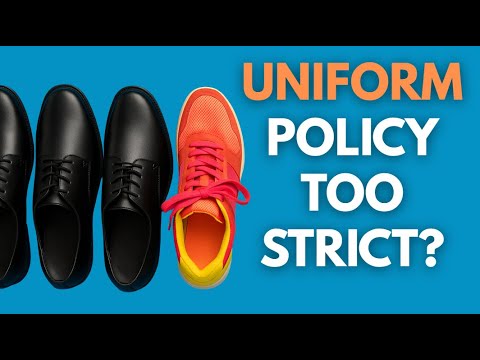
The relationship between uniforms and identity is a deeply personal and often contentious one. For some, a uniform is a source of pride, a symbol of belonging to a respected group, and a way to shed the pressures of everyday fashion choices. For others, it can feel like a constraint, stifling personal expression and forcing an artificial conformity. This duality is central to understanding why uniform codes evoke such strong reactions, influencing everything from employee morale to the perception of an entire organization.
🚀 The Future of Dress Codes
The future of uniform codes is likely to be shaped by evolving societal values and technological advancements. We're seeing a growing emphasis on inclusivity and sustainability, which may lead to more flexible and ethically sourced uniform options. Digital integration, such as embedded smart textiles, could also introduce new functionalities. However, the fundamental tension between group cohesion and individual expression will undoubtedly persist, driving ongoing adaptation and debate in how we define and enforce dress in organized settings.
❓ Frequently Asked Questions
What is the primary purpose of a uniform code? Uniform codes primarily serve to establish identity, promote discipline, ensure safety, and communicate a specific image or message about the organization or group. They aim to create a sense of unity and professionalism among members, while also clearly distinguishing them from outsiders. The specific emphasis can vary greatly depending on the context, from military units to customer service roles.
Can uniform codes be discriminatory? Yes, uniform codes can be discriminatory if they disproportionately disadvantage or exclude individuals based on protected characteristics like religion, gender, or race, without a legitimate business necessity. Legal challenges often arise when uniform policies fail to accommodate religious practices or perpetuate gender stereotypes. Organizations must ensure their codes are inclusive and comply with anti-discrimination laws.
How do uniforms affect individual identity? Uniforms can have a dual effect on individual identity. They can foster a sense of belonging and shared purpose, enhancing collective identity. Conversely, they can suppress personal expression and individuality, leading to feelings of alienation or resentment if the wearer feels their personal identity is being erased or ignored. This tension is a key area of study in sociology of dress.
Are there alternatives to strict uniform codes? Absolutely. Many organizations are exploring alternatives like 'business casual' policies, 'dress for your day' guidelines, or allowing for more personal choice within a defined color palette or style. The trend is moving towards greater flexibility, focusing on professionalism and appropriateness rather than rigid conformity, especially in creative industries or tech sectors.
How can I find out about the uniform code at a new organization? Typically, information about a uniform code is provided during the onboarding process or in an employee handbook. If not, it's best to ask your direct supervisor or the HR department for clarification. Understanding the expectations upfront is crucial to avoid any misunderstandings or disciplinary actions related to dress code violations.
What are the psychological impacts of wearing a uniform? Psychologically, uniforms can induce a sense of power, authority, or responsibility, depending on the context (e.g., police officers, doctors). They can also create a 'groupthink' effect, encouraging conformity and reducing critical thinking. For the wearer, it can lead to a feeling of anonymity or, conversely, a heightened sense of duty and professional identity, impacting cognitive biases.
Key Facts
- Year
- Ancient History
- Origin
- Ancient Civilizations (e.g., Roman legions, religious orders)
- Category
- Sociology & Culture
- Type
- Concept
Frequently Asked Questions
What is the primary purpose of a uniform code?
Uniform codes primarily serve to establish identity, promote discipline, ensure safety, and communicate a specific image or message about the organization or group. They aim to create a sense of unity and professionalism among members, while also clearly distinguishing them from outsiders. The specific emphasis can vary greatly depending on the context, from military units to customer service roles.
Can uniform codes be discriminatory?
Yes, uniform codes can be discriminatory if they disproportionately disadvantage or exclude individuals based on protected characteristics like religion, gender, or race, without a legitimate business necessity. Legal challenges often arise when uniform policies fail to accommodate religious practices or perpetuate gender stereotypes. Organizations must ensure their codes are inclusive and comply with anti-discrimination laws.
How do uniforms affect individual identity?
Uniforms can have a dual effect on individual identity. They can foster a sense of belonging and shared purpose, enhancing collective identity. Conversely, they can suppress personal expression and individuality, leading to feelings of alienation or resentment if the wearer feels their personal identity is being erased or ignored. This tension is a key area of study in sociology of dress.
Are there alternatives to strict uniform codes?
Absolutely. Many organizations are exploring alternatives like 'business casual' policies, 'dress for your day' guidelines, or allowing for more personal choice within a defined color palette or style. The trend is moving towards greater flexibility, focusing on professionalism and appropriateness rather than rigid conformity, especially in creative industries or tech sectors.
How can I find out about the uniform code at a new organization?
Typically, information about a uniform code is provided during the onboarding process or in an employee handbook. If not, it's best to ask your direct supervisor or the HR department for clarification. Understanding the expectations upfront is crucial to avoid any misunderstandings or disciplinary actions related to dress code violations.
What are the psychological impacts of wearing a uniform?
Psychologically, uniforms can induce a sense of power, authority, or responsibility, depending on the context (e.g., police officers, doctors). They can also create a 'groupthink' effect, encouraging conformity and reducing critical thinking. For the wearer, it can lead to a feeling of anonymity or, conversely, a heightened sense of duty and professional identity, impacting cognitive biases.