
Contents
Overview
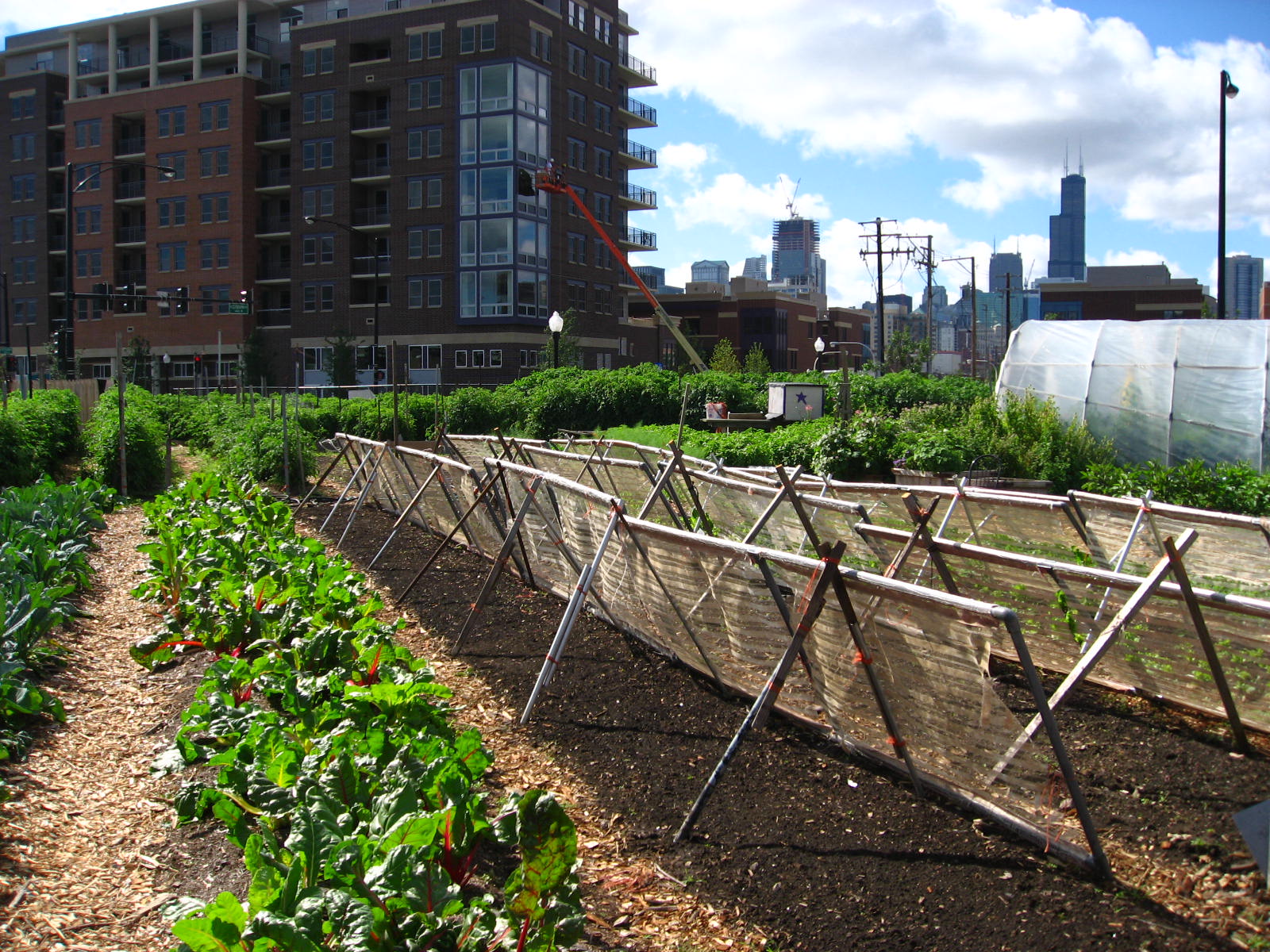
Urban farming, also known as urban agriculture, encompasses the practice of cultivating, processing, and distributing food within city limits. This multifaceted approach to food production ranges from small rooftop gardens and community plots to large-scale vertical farms and aquaponic systems. It seeks to address issues of food security, environmental sustainability, and community engagement in densely populated areas. While often associated with a modern movement of 'locavores' and sustainable urban development, its roots stretch back to historical practices of city-based food cultivation. Urban farming can transform underutilized spaces, reconnect urban dwellers with their food sources, and contribute to greener, more resilient cities, though it faces challenges like soil contamination and economic viability.
🎵 Origins & History
The concept of growing food within city walls isn't new; historical precedents abound, from ancient Roman gardens to the 'Victory Gardens' of World War I and II, which mobilized citizens to grow food for national self-sufficiency. Movements like Transition Towns integrated urban agriculture into broader strategies for community resilience and sustainability. Community garden movements in cities like New York City and London fostered social engagement around food production. The rise of the 'locavore' movement, popularized by authors like Michael Pollan, further amplified interest in locally sourced food, including that grown within urban environments.
⚙️ How It Works
Urban farming employs a diverse array of techniques to maximize food production in limited spaces. Hydroponic systems, which grow plants in nutrient-rich water without soil, are common, as are aquaponic systems that integrate fish farming with plant cultivation. Aeroponics, a method of growing plants with roots suspended in the air and misted with nutrients, offers high efficiency. Vertical farms utilize stacked layers to grow crops year-round, often using LED lighting. Rooftop gardens, community gardens on vacant lots, and even indoor mushroom cultivation in basements are other prevalent forms. Permaculture principles focus on sustainable, self-sufficient ecosystems within urban settings. These methods often require significant energy inputs for lighting, climate control, and water circulation, particularly in indoor systems.
📊 Key Facts & Numbers
Cities like Chicago and Detroit boast hundreds of active urban farm sites. However, the cost of setting up these operations can be substantial, making it difficult for many urban farms to compete with conventionally grown produce.
👥 Key People & Organizations
Urban farming has spurred the 'farm-to-table' movement, influencing restaurant menus and consumer purchasing habits, with an increased demand for locally sourced, sustainably grown produce. Community gardens have become vital social hubs, bringing together diverse groups of people and strengthening neighborhood bonds. The aesthetic of urban farms, from vibrant green rooftops to artfully designed vertical farms, has also influenced urban design and architecture. Furthermore, urban farming initiatives often serve as educational platforms, teaching children and adults about ecology, nutrition, and sustainable living. This shift in perception can lead to greater appreciation for food systems and environmental stewardship.
🌍 Cultural Impact & Influence
The urban farming sector is rapidly evolving with technological advancements and increasing investment. In 2024, AI-driven automation is being increasingly used within vertical farms, optimizing resource allocation and crop management. The development of more energy-efficient lighting and climate control systems, alongside advancements in plant breeding for urban environments, is making these operations more sustainable and cost-effective.
⚡ Current State & Latest Developments
Despite its benefits, urban farming is not without its controversies and debates. A primary concern is soil contamination in urban areas, where historical industrial use can leave behind heavy metals, posing risks to food safety. Rigorous testing and remediation are crucial but costly. The energy consumption of indoor vertical farms, particularly their reliance on fossil fuels for electricity, raises questions about their true environmental footprint compared to traditional agriculture, especially when considering the embodied energy in building materials and technology. Economic viability remains a challenge, with high startup costs and operational expenses making it difficult for many urban farms to compete with conventionally grown produce. Debates also arise regarding land use, with concerns that large-scale urban farms could displace affordable housing or other community needs.
🤔 Controversies & Debates
The future of urban farming appears poised for continued innovation and integration into city planning. Experts predict a significant expansion of vertical farming, driven by technological advancements that reduce energy consumption and increase yields. We can expect to see more 'agri-hoods' – residential communities designed around urban farms – and a greater incorporation of edible landscaping in public spaces. The development of modular and scalable farming systems will likely make urban agriculture more accessible to smaller communities and individuals. Furthermore, as climate change impacts traditional agricultural regions, urban farming may play an increasingly critical role in ensuring localized food security and reducing reliance on long, vulnerable supply chains.
🔮 Future Outlook & Predictions
Urban farming offers a wide range of practical applications that benefit cities and their residents. It provides hyper-local sources of fresh produce, reducing transportation costs and emissions, and increasing access to nutritious food in 'food deserts'. Rooftop farms can help mitigate the urban heat island effect and manage stormwater runoff. Indoor farms can be established in any climate, providing consistent year-round harvests.
Key Facts
- Category
- science
- Type
- topic