
Contents
Overview
The roots of vintage menswear stretch back to the very inception of ready-to-wear clothing, but its modern conception as a distinct category gained traction as fashion cycles accelerated. Early examples of what we now consider 'vintage' would have been the everyday attire of previous generations, from the tailored suits of the Edwardian era (1901-1910) to the utilitarian garments of the Great Depression (1929-1939). The post-World War II era, with its boom in consumerism and distinct subcultures, became a particularly fertile ground for collectible menswear, yielding iconic styles like the sharp silhouettes of the 1950s and the rebellious spirit of the 1960s. The rise of the internet and online marketplaces in the late 20th and early 21st centuries democratized access to these historical pieces, transforming them from niche finds into a global phenomenon.
⚙️ How It Works
Vintage menswear functions as a tangible connection to sartorial history, offering garments that embody the craftsmanship and aesthetic sensibilities of their time. The 'how it works' is less about a mechanical process and more about the principles of construction and material science prevalent in different eras. For instance, a 1940s suit might feature a heavier wool, hand-padded lapels, and a more structured shoulder, reflecting wartime austerity and traditional tailoring. Conversely, a 1970s leisure suit would showcase synthetic fabrics, wider lapels, and a looser fit, indicative of changing social norms and technological advancements in textiles. Authenticity is key, with collectors discerning genuine vintage from reproductions based on labels, stitching, fabric composition, and design details, often requiring a keen eye developed through years of study and handling.
📊 Key Facts & Numbers
The vintage menswear market is substantial. Certain iconic pieces command significant prices; a rare 1950s Levi's Big E denim jacket can fetch upwards of $5,000, while a pristine 1930s bespoke suit from a renowned tailor like Savile Row might be valued at $2,000 or more.
👥 Key People & Organizations
Key figures in the history of menswear, such as Ralph Lauren, have built entire brands on the aesthetic of vintage Americana and classic tailoring, often drawing inspiration directly from historical garments. Retailers like The RealReal and Vestiaire Collective have become major players in authenticating and selling high-end vintage and designer pieces, while independent vintage shops worldwide, from London's Brick Lane to Tokyo's Shimokitazawa district, serve as crucial hubs for discovery. Historians and curators, such as those at the Victoria and Albert Museum, meticulously document and preserve these sartorial artifacts, ensuring their historical context is understood and appreciated. Brands like Ralph Lauren and Tom Ford frequently reference vintage silhouettes in their collections.
🌍 Cultural Impact & Influence
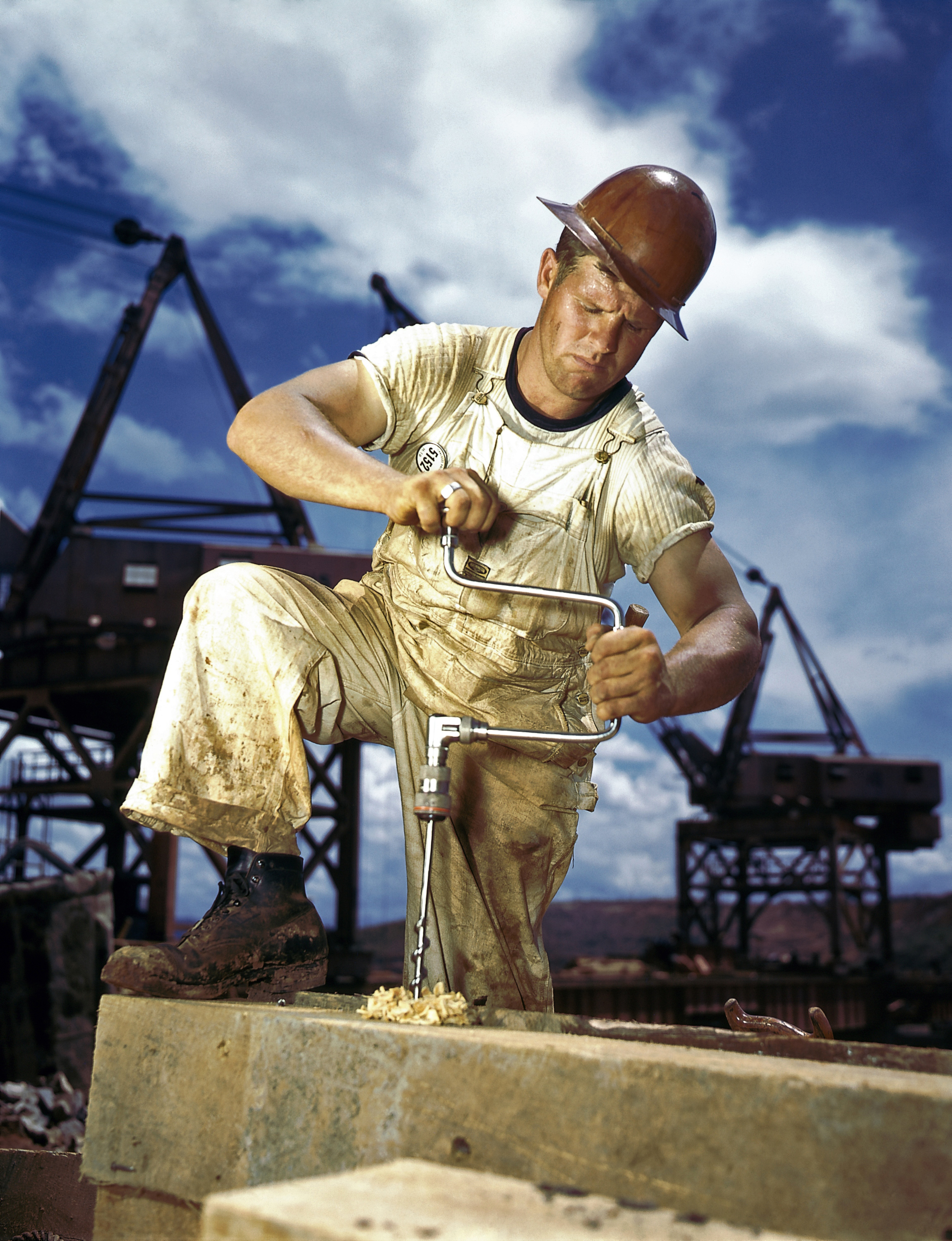
Vintage menswear has profoundly influenced contemporary fashion, providing a rich sourcebook for designers and stylists. The resurgence of workwear styles, including denim jeans, chore coats, and flannel shirts, owes much to the enduring appeal of early 20th-century utilitarian garments. Similarly, the classic Ivy League aesthetic, characterized by items like the varsity jacket, oxford shirts, and penny loafers, continues to be reinterpreted. This influence extends beyond specific garments to broader concepts like durability, repairability, and timeless design, pushing back against the disposable nature of fast fashion and promoting a more conscious approach to consumption. The rise of streetwear culture has also embraced vintage pieces, integrating them into modern looks.
⚡ Current State & Latest Developments
The current landscape of vintage menswear is dynamic, marked by a growing emphasis on sustainability and unique personal style. Online platforms continue to dominate, offering unparalleled selection, but physical vintage stores are experiencing a renaissance as consumers seek tactile experiences and curated selections. There's a noticeable trend towards specific eras and aesthetics, with a strong demand for 1940s military surplus, 1950s rockabilly attire, and 1980s streetwear. The integration of vintage pieces into mainstream fashion shows, often styled by influential figures like Harry Styles, further solidifies its relevance. Brands are increasingly launching 'heritage' or 'vintage-inspired' lines, acknowledging the market's appetite for historical authenticity, sometimes even incorporating actual vintage materials into new designs.
🤔 Controversies & Debates
A significant debate in vintage menswear revolves around authenticity versus reproduction. While genuine vintage pieces offer unparalleled historical value and craftsmanship, high-quality reproductions can provide similar aesthetics and durability without the scarcity and potential condition issues of originals. Another controversy lies in the 'gentrification' of certain vintage styles; for example, workwear items originally designed for laborers are now often priced out of reach for many, becoming luxury items. Furthermore, the environmental impact of the global vintage trade, including shipping and packaging, is a growing concern, prompting discussions about more localized sourcing and sustainable practices within the secondhand market. The ethical sourcing of garments, particularly those from earlier eras, also presents complex questions.
🔮 Future Outlook & Predictions
The future of vintage menswear appears robust, driven by the ongoing demand for individuality and sustainability. As consumers become more aware of the environmental toll of fast fashion, the appeal of durable, pre-owned garments will likely intensify. We can expect to see further innovation in online authentication technologies, making it easier for buyers to trust the provenance of their purchases. Moreover, the lines between 'vintage' and 'contemporary' will continue to blur, with designers more readily incorporating historical elements and even actual vintage materials into their collections. There's also potential for greater integration of circular economy principles, with brands offering take-back programs or repair services for their vintage-inspired lines, further closing the loop. The increasing appreciation for quality craftsmanship suggests that well-made vintage pieces will retain their value and desirability for decades to come.
💡 Practical Applications
Vintage menswear offers a wealth of practical applications beyond mere fashion. For costume designers in film and theater, authentic vintage garments are essential for accurately portraying historical periods, providing a level of detail and authenticity that reproductions often lack. Historians and sociologists utilize vintage clothing as primary source material to understand past lifestyles, social structures, and technological advancements. For individuals, incorporating vintage pieces into a wardrobe is a powerful way to express personal style, stand out from mass-produced trends, and build a more sustainable clothing collection. Furthermore, the study of vintage tailoring techniques can inform modern garment construction, leading to more durable and well-fitting clothes. Vintage workwear, in particular, remains functional for many trades, offering robust protection and utility.
Key Facts
- Category
- culture
- Type
- topic