
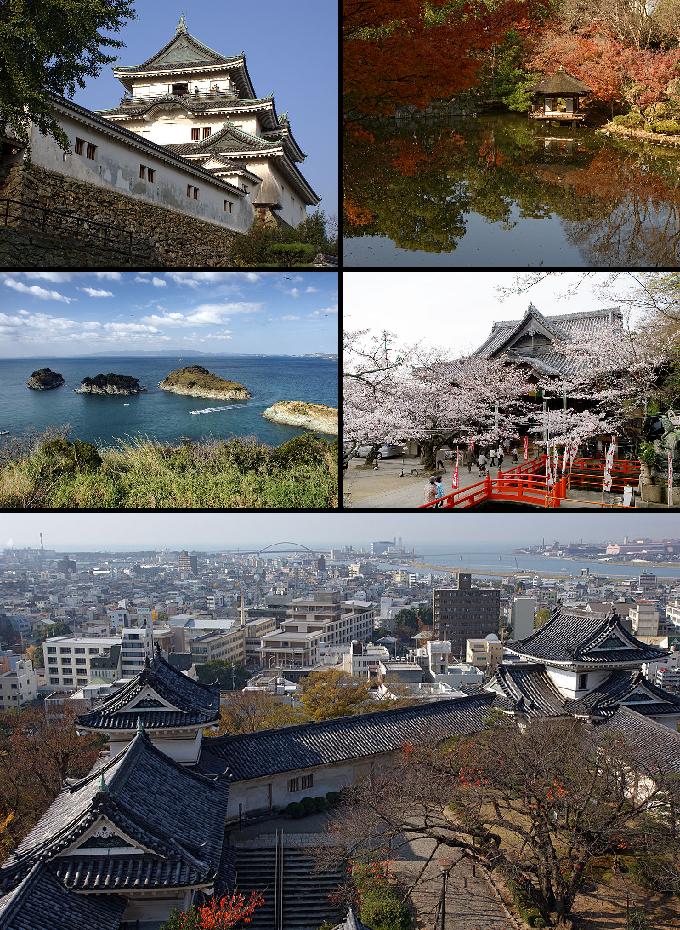
Contents
Overview
Wakayama City's story begins long before its official establishment as a municipality in April 1889. Its origins are intrinsically linked to the construction of Wakayama Castle in 1585 by Toyotomi Hideyoshi, a pivotal figure in Japanese history. The castle served as the seat of the powerful Tokugawa clan during the Edo Period, notably under Tokugawa Yorinobu, who founded the Kii branch of the shogunate family. This era cemented Wakayama's status as a significant castle town, fostering its development as a regional hub. The city's strategic location on the coast also facilitated trade and maritime activities, laying the groundwork for its future economic landscape. The Meiji Restoration in 1868 brought sweeping changes, and by 1889, Wakayama was formally recognized as a city, inheriting its historical legacy while embarking on a new chapter of modernization.
⚙️ How It Works
Wakayama City functions as the administrative and economic heart of Wakayama Prefecture. Its governance is overseen by a mayor and a city council, operating under Japan's local autonomy laws. The city's infrastructure is designed to support its population, with a comprehensive network of public transportation, including the JR West railway lines that connect it to major cities like Osaka and Kyoto. The Wakayama Electric Railway provides crucial local transit, famously featuring themed trains like the 'Tama Train' dedicated to the beloved stationmaster cat, Tama. Economically, Wakayama leverages its coastal access for port activities and its fertile surrounding regions for agriculture, particularly the cultivation of ume fruits and citrus. The city also actively promotes tourism, drawing visitors to its historical sites and natural beauty.
📊 Key Facts & Numbers
Wakayama City's population is approximately 351,391 residents within 157,066 households, resulting in a population density of approximately 1,700 persons per square kilometer. The city's economy is supported by a diverse industrial base, with key sectors including manufacturing, agriculture, and tourism. Wakayama Port handles significant cargo volume. The city's agricultural output is substantial, with Wakayama Prefecture being a leading producer of ume fruits in Japan.
👥 Key People & Organizations
The administration of Wakayama City is led by Mayor Masahiro Obana, who was elected to his current term in 2022. Historically, the city's development was profoundly shaped by figures like Toyotomi Hideyoshi, who commissioned its iconic castle, and Tokugawa Yorinobu, the founder of the Kii branch of the Tokugawa shogunate. In contemporary times, Tama the cat, the former stationmaster of Wakayama Station on the Wakayama Electric Railway, became an international feline celebrity, significantly boosting local tourism and the railway's profile. The Wakayama Tourism Association plays a vital role in promoting the city's attractions to both domestic and international visitors, working in conjunction with the Wakayama Prefectural Government.
🌍 Cultural Impact & Influence
Wakayama City's cultural influence is most prominently felt through its deep connection to the ume fruit. The region is renowned for producing high-quality umeshu (plum wine) and umeboshi (pickled plums), products that have become synonymous with Japanese cuisine and are enjoyed globally. The iconic Wakayama Castle stands as a powerful symbol of Japanese feudal architecture and has been a recurring motif in art and literature. The city's maritime heritage also contributes to its cultural identity, influencing local festivals and cuisine. Furthermore, the unexpected global fame of Tama the cat demonstrated Wakayama's capacity to generate unique cultural phenomena that capture international attention, revitalizing local pride and the Wakayama Electric Railway's brand.
⚡ Current State & Latest Developments
In recent years, Wakayama City has focused on revitalizing its urban core and enhancing its appeal as a tourist destination. Efforts are underway to promote sustainable tourism, particularly focusing on the natural beauty of the surrounding Kii Peninsula and the historical significance of Wakayama Castle. The city is also investing in infrastructure improvements, including upgrades to its public transportation systems and the development of new commercial and residential areas. The ongoing development of the Chuo Shinkansen maglev line is expected to eventually connect Wakayama more directly to Tokyo, potentially reshaping its accessibility and economic future.
🤔 Controversies & Debates
One of the primary debates surrounding Wakayama City revolves around its demographic trends. Like many regional Japanese cities, Wakayama faces the challenges of an aging population and a declining birthrate, leading to concerns about future economic vitality and the sustainability of public services. While efforts to attract tourism and promote local industries are ongoing, the long-term impact of depopulation remains a significant concern. Another point of discussion is the preservation and modernization of its historical sites, such as Wakayama Castle. Balancing the need to maintain historical authenticity with the demands of modern tourism and accessibility presents a continuous challenge for the city's cultural heritage management. The potential economic impact of the future maglev train also sparks debate, with proponents highlighting increased connectivity and opponents raising concerns about the substantial infrastructure costs and potential environmental impacts.
🔮 Future Outlook & Predictions
The future outlook for Wakayama City appears to be a blend of leveraging its historical strengths and adapting to modern challenges. The anticipated completion of the Chuo Shinkansen maglev line in the coming decades promises to dramatically reduce travel times to major hubs like Tokyo, potentially transforming Wakayama into a more accessible destination for both business and leisure. This could lead to increased investment and population growth, counteracting current demographic trends. Furthermore, the city is poised to capitalize on the growing interest in slow tourism and authentic cultural experiences, with its rich history, unique culinary traditions centered around ume fruits, and proximity to natural wonders like the Kumano Kodo pilgrimage routes. The successful integration of these elements will be crucial for securing Wakayama's long-term prosperity and cultural relevance.
💡 Practical Applications
Wakayama City's most prominent practical application lies in its role as a major producer of ume fruits and related products. The cultivation and processing of these fruits for umeshu (plum wine), umeboshi (pickled plums), and jams are significant economic activities. The city's port facilities serve as a crucial logistical hub for both domestic and international trade, facilitating the import and export of various goods. Wakayama Castle itself serves as a vital cultural and educational resource, attracting tourists and providing a tangible link to Japan's feudal past for students and researchers. The Wakayama Electric Railway's innovative use of themed trains, like the Tama Train, demonstrates a creative appro
Key Facts
- Category
- place
- Type
- topic