
Contents
- 🎵 Origins & History
- ⚙️ How It Works
- 📊 Key Facts & Numbers
- 👥 Key People & Organizations
- 🌍 Cultural Impact & Influence
- ⚡ Current State & Latest Developments
- 🤔 Controversies & Debates
- 🔮 Future Outlook & Predictions
- 💡 Practical Applications
- 📚 Related Topics & Deeper Reading
- Frequently Asked Questions
- References
- Related Topics
Overview
The studio's genesis lies in the ambition of four Polish-Jewish immigrants—Harry, Albert, Sam, and Jack Warner—who opened their first theater in 1903. By April 4, 1923, they formally incorporated Warner Bros. Pictures, eventually moving operations from Sunset Boulevard to the current Burbank site in 1928 after acquiring First National Pictures. This move was fueled by the massive success of The Jazz Singer (1927), which utilized the Vitaphone sound-on-disc system to end the silent era. The studio survived the Great Depression by specializing in 'social problem' films and gritty gangster epics starring Humphrey Bogart. Throughout the 1940s, the lot became a factory for wartime propaganda and noir classics like Casablanca.
⚙️ How It Works
Operating as a 'city within a city,' the Burbank lot functions through a complex interplay of physical production services and post-production technology. The facility features 36 soundstages, including the massive Stage 16, which stands 98 feet tall and contains a 2-million-gallon water tank used for films like The Perfect Storm. Production is supported by specialized departments for set construction, property storage (housing over 450,000 items), and a world-class costume department. The studio also utilizes Virtual Production stages, employing LED wall technology similar to that used by ILM. This infrastructure allows Warner Bros. Television to simultaneously produce dozens of scripted series alongside major theatrical features.
📊 Key Facts & Numbers
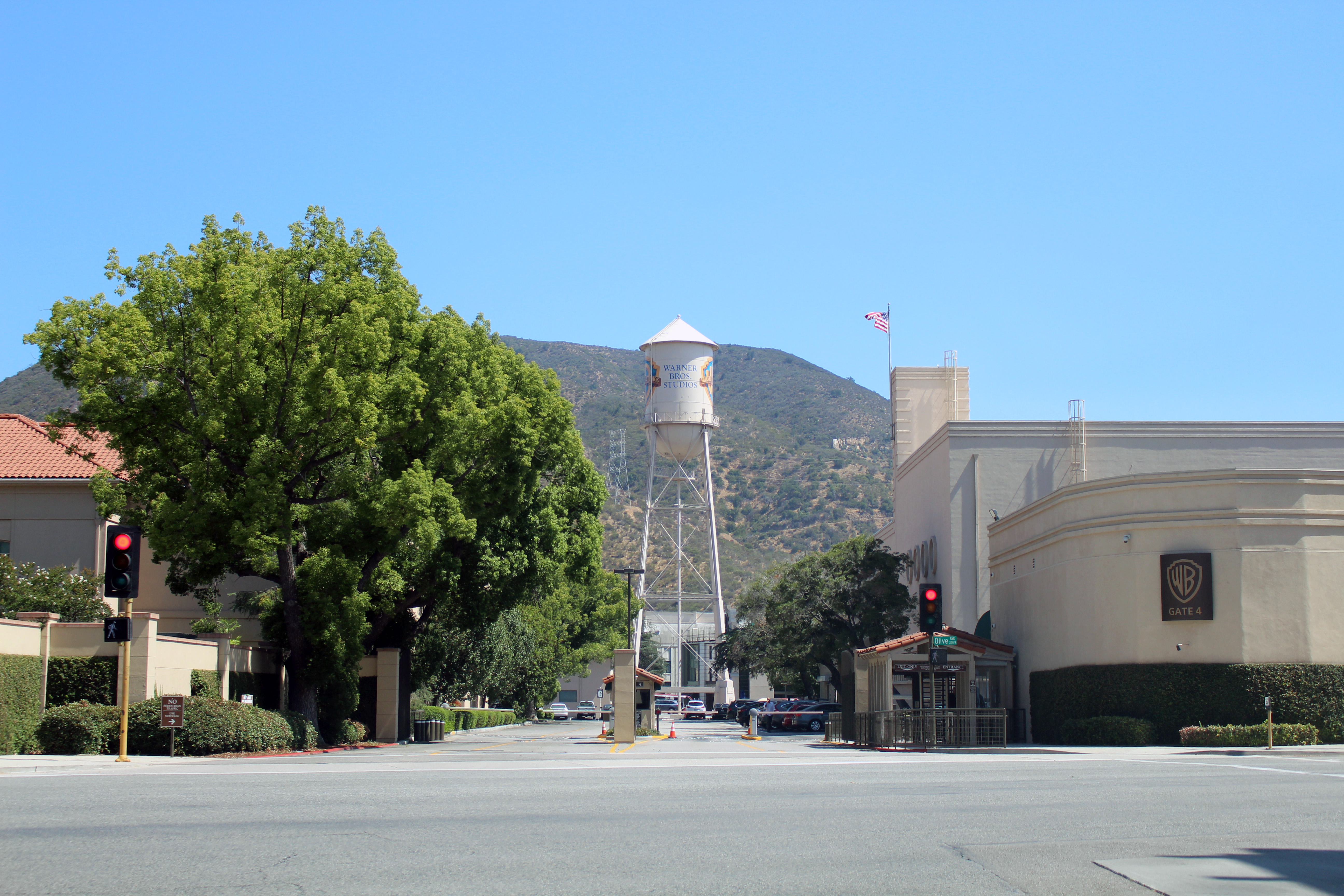
Warner Bros. Studios oversees a massive portfolio, with the company's film library containing over 12,500 titles and 2,400 television programs. The Burbank lot covers 110 acres, making it one of the largest production facilities in the world, supplemented by the 80-acre Leavesden facility in the UK. In 2023, the studio celebrated its centennial, reporting that its films have collectively earned over 400 Academy Awards. The studio's parent company, Warner Bros. Discovery, reported a total revenue of approximately $41.3 billion in 2023. The iconic water tower, built in 1927, stands 133 feet tall and remains the most recognized landmark in the San Fernando Valley.
👥 Key People & Organizations
The studio's trajectory has been shaped by legendary executives and creative visionaries like Darryl F. Zanuck, who served as head of production during the early sound era. In the modern era, the studio was long defined by the leadership of Barry Meyer and Alan Horn, who oversaw the lucrative Harry Potter years. Following the 2022 merger, David Zaslav took the helm as CEO of the parent entity, initiating a period of aggressive restructuring. Creative direction for the studio's most valuable IP now falls to James Gunn and Peter Safran, who lead DC Studios from the Burbank lot. The studio also maintains a deep relationship with Clint Eastwood, whose Malpaso Productions has been based on the lot for decades.
🌍 Cultural Impact & Influence
Warner Bros. has exerted a profound influence on global culture, particularly through its 'gritty' house style that contrasted with the escapism of Disney or the glamour of MGM. The studio's animation division, Warner Bros. Animation, introduced the world to Looney Tunes, creating icons like Bugs Bunny that redefined American humor. In the 1970s, the studio helped birth the modern blockbuster with Superman, proving that comic book properties could be prestige cinema. Its influence extends to the 'Golden Age of TV' through its production of The West Wing and Friends, both of which were filmed on the Burbank lot. The studio tour remains a major tourist draw, cementing the lot's status as a 'cathedral of cinema.'
⚡ Current State & Latest Developments
In 2024 and 2025, the studio is undergoing a massive physical and digital transformation under the Warner Bros. Discovery banner. The Burbank lot recently completed the 'Second Century' expansion, featuring two office buildings designed by architect Frank Gehry that resemble icebergs along the 134 Freeway. On the content front, the studio is currently pivoting toward the 'DC Universe' (DCU) reboot, with James Gunn's Superman (2025) serving as a critical test for the studio's theatrical viability. Simultaneously, the studio is integrating its theatrical pipeline with the Max streaming service to compete with Netflix. Recent labor tensions, including the 2023 WGA and SAG-AFTRA strikes, have forced a recalibration of production schedules across the lot.
🤔 Controversies & Debates
The studio has frequently been at the center of industry-wide controversies, most notably the 'Project Popcorn' decision in 2021 where Jason Kilar opted to release the entire theatrical slate on HBO Max simultaneously. This move alienated long-time collaborators like Christopher Nolan, who subsequently moved his production of Oppenheimer to Universal Pictures. More recently, CEO David Zaslav faced intense backlash for the 'tax write-off' cancellations of nearly-completed films like Batgirl and Coyote vs. Acme. Critics argue these moves prioritize short-term balance sheets over artistic integrity, while proponents claim they are necessary to service the company's $40+ billion debt load. The studio's historical treatment of talent, dating back to Olivia de Havilland's landmark lawsuit against the contract system, remains a point of academic study.
🔮 Future Outlook & Predictions
The future of Warner Bros. Studios is increasingly tied to the convergence of gaming and film, as the company seeks to utilize Unreal Engine for both VFX and interactive experiences. Predictions suggest the Burbank lot will become a hub for 'transmedia' production, where a single asset is developed for a film, a series on Max, and a game by Warner Bros. Games. There is ongoing speculation regarding further industry consolidation, with potential merger rumors involving Paramount Global or NBCUniversal frequently surfacing in trade publications like Variety. Technologically, the studio is expected to expand its use of Generative AI in post-production, a move that remains a point of contention with labor unions. The studio's survival will likely depend on its ability to revitalize the DC brand to match the consistency of Marvel.
💡 Practical Applications
Warner Bros. Studios functions as a premier rental facility for third-party productions, providing soundstages and services to competitors like Netflix and Apple TV+. Its 'Studio Operations' division generates significant revenue by leasing its backlot, which includes the famous 'Midwest Town' and 'New York Street' sets used in thousands of commercials and music videos. The studio also serves as a major educational resource through its Studio Tour Hollywood, which educates the public on the mechanics of filmmaking. For the city of Burbank, the studio is a primary economic driver and employer. Additionally, the studio's archival services are used by historians and documentarians to preserve the history of 20th-century media.
Key Facts
- Year
- 1923
- Origin
- Burbank, California, USA
- Category
- culture
- Type
- organization
Frequently Asked Questions
Can you visit Warner Bros. Studios?
Yes, the studio operates the Warner Bros. Studio Tour Hollywood in Burbank, which allows the public to visit active backlots and soundstages. The tour includes access to the 'Stage 48: Script to Screen' interactive exhibit and the iconic Central Perk set from Friends. Unlike theme-park-style tours, this is a working studio environment where visitors might see actual productions in progress. Tickets typically range from $70 to $300 depending on the level of access, such as the Deluxe Tour which lasts six hours.
What is the most famous movie filmed at Warner Bros. Studios?
While thousands of films have been shot there, Casablanca (1942) is arguably the most prestigious, having been filmed almost entirely on the Burbank lot during World War II. Other massive productions include the Harry Potter series (primarily at the UK's Leavesden lot), The Dark Knight Trilogy, and Barbie (2023). The studio's 'New York Street' backlot has stood in for Gotham City, Metropolis, and various real-world cities in hundreds of films. Its versatility is a primary reason it remains a top choice for major directors like Christopher Nolan and Greta Gerwig.
How many soundstages does Warner Bros. have?
The main Burbank lot features 36 soundstages, ranging from the historic Stage 1 (built in the 1920s) to the massive Stage 16. Stage 16 is one of the largest in the world and features a unique 'tank' system for maritime scenes, used in films like The Goonies and Aquaman. The studio also utilizes the nearby Ranch lot and the massive Leavesden complex in England, which adds another 19 stages to their global capacity. This infrastructure allows them to handle multiple $200 million blockbusters simultaneously.
Who owns Warner Bros. Studios today?
The studio is currently owned by Warner Bros. Discovery (WBD), a publicly traded conglomerate formed by the 2022 merger of WarnerMedia and Discovery, Inc. The company is led by CEO David Zaslav, who has overseen a period of significant cost-cutting and strategic pivots. Prior to this, the studio was owned by AT&T, and before that, it was part of the Time Warner empire. The studio's ownership history is a reflection of the broader trend of media consolidation in the 21st century.
What is the significance of the Warner Bros. Water Tower?
The 133-foot tall water tower is the studio's most recognizable landmark and was originally built in 1927 to provide fire protection for the lot. It was moved from its original location to its current spot near the main entrance after the 1933 Long Beach earthquake. While it no longer holds water, it serves as a massive branding tool and was famously the 'home' of the characters in the Animaniacs cartoon. It is frequently repainted to promote major upcoming releases, such as The Batman or Barbie.
How did Warner Bros. change the film industry?
Warner Bros. fundamentally changed the industry by championing synchronized sound with the Vitaphone system, effectively killing the silent film era. They also pioneered the 'socially conscious' film in the 1930s, focusing on the struggles of the working class and the dangers of fascism. Their animation department, 'Termite Terrace,' introduced a more anarchic, adult-oriented style of humor that contrasted with the sentimentality of Disney. In the 1970s, they helped establish the modern blockbuster model with films like The Exorcist and Superman.
What is the future of the Burbank lot?
The lot is currently expanding through the 'Second Century' project, which includes two massive office towers designed by Frank Gehry to house the company's growing digital and streaming workforce. The studio is also investing heavily in Virtual Production technology to reduce the need for location shooting. As the industry shifts toward streaming, the lot is being optimized for the rapid production of high-end television for Max. Despite the rise of remote work, the physical lot remains the central nervous system for the company's creative operations.