
Contents
Overview
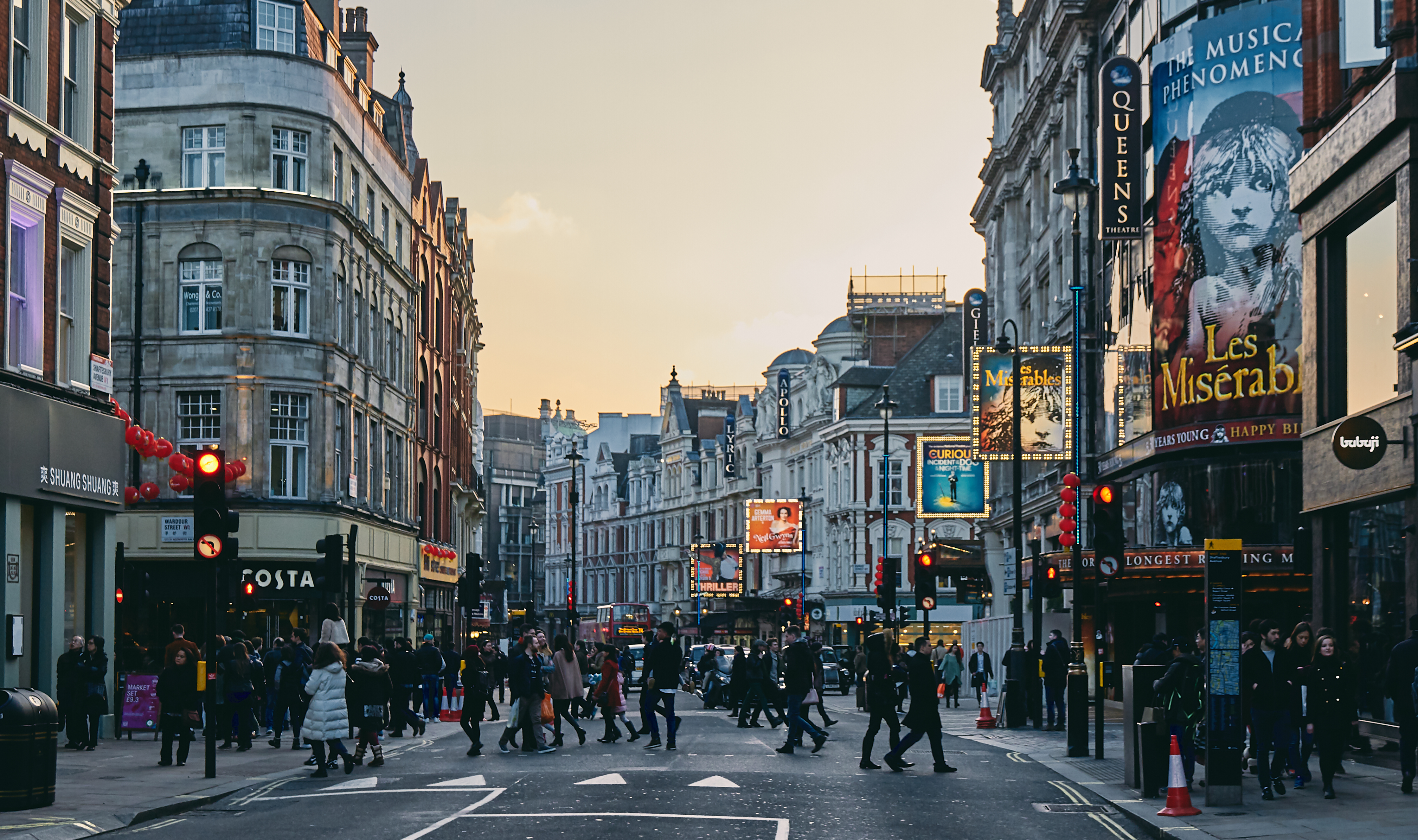
The roots of West End theatre stretch back to the Restoration period, with the Theatre Royal, Drury Lane opening its doors, marking a pivotal moment in London's theatrical history. Over centuries, this district evolved into a concentrated area for commercial playhouses, attracting playwrights, actors, and audiences alike. The late 19th century saw significant technological advancements, most notably the Savoy Theatre becoming the first public building in the world to be entirely lit by electricity, a testament to its forward-thinking spirit. The enduring legacy of impresarios like Richard D'Oyly Carte, who built the Savoy to showcase the operettas of Gilbert and Sullivan, cemented the area's reputation for producing high-quality, popular entertainment that continues to define the West End today.
⚙️ The West End Ecosystem
West End theatre functions as a complex ecosystem comprising numerous theatres, production companies, talent agencies, and a vast network of support services. Productions typically operate on a commercial basis, seeking to recoup investment through ticket sales, often running for years or even decades if successful. The concentration of venues in a relatively small geographical area fosters a unique atmosphere, with a constant rotation of new shows and long-running hits. This density also facilitates a competitive yet collaborative environment, where producers and artists vie for attention while contributing to the overall vibrancy of London's cultural landscape. The success of a show often hinges on critical reviews, word-of-mouth, and its ability to attract both local patrons and the significant influx of international tourists visiting London.
📊 Key Facts & Numbers
In 2018, the West End theatre sector achieved record attendance, with attendances soaring to over 15.5 million. Box office revenues for that year surpassed £765 million, underscoring the industry's substantial economic impact. While attendance saw a marginal decrease the following year, the overall figures remain robust. The average ticket price for a West End show hovers around £60-£80, though premium seats for highly sought-after productions can fetch upwards of £200. Musicals typically dominate the box office, accounting for roughly 60% of all ticket sales, with plays and other genres filling the remaining market share. The Society of London Theatre (SOLT) began collecting data in 1986.
👥 Key Players & Institutions
Key institutions like the Society of London Theatre (SOLT) and The Theatrical Management Association (TMA) (now UK Theatre) play crucial roles in representing and promoting the industry. Major producers such as Delfont Mackintosh Theatres and Ambassador Theatre Group (ATG) own and operate many of the flagship venues, shaping the programming and commercial direction of the West End. Prominent actors, including Dame Judi Dench, Sir Ian McKellen, and international stars like Jennifer Garner, frequently grace West End stages, lending considerable star power to productions. Playwrights such as Sir Tom Stoppard have also contributed significantly to the theatrical canon performed in the West End.
🌍 Cultural Impact & Influence
West End theatre has profoundly influenced global theatrical trends and popular culture. Its reputation for staging lavish musicals and critically acclaimed dramas has set a benchmark for commercial theatre worldwide, inspiring similar districts in other major cities. The phenomenon of 'star casting,' where renowned film and television actors appear on stage, has boosted ticket sales and brought new audiences to theatre, blurring the lines between screen and stage performance. Productions originating in the West End, such as Les Misérables and The Phantom of the Opera, have achieved global recognition and longevity, becoming cultural touchstones that transcend national borders and continue to be revived by theatre companies internationally.
⚡ Current State & Latest Developments
The West End theatre scene is in a constant state of flux, adapting to evolving audience tastes and economic pressures. Post-pandemic, the industry has focused on rebuilding audiences, with a strong emphasis on blockbuster musicals and established hits. There's a growing trend towards more diverse and inclusive storytelling, with productions reflecting a wider range of voices and experiences. The rise of digital ticketing and streaming services presents both challenges and opportunities, as producers explore new ways to reach audiences and enhance the theatre-going experience. The ongoing development of the South Bank and King's Cross areas also hints at potential future expansion or shifts in London's theatrical geography.
🤔 Controversies & Debates
One persistent debate revolves around the commercialization of theatre and its impact on artistic risk-taking. Critics argue that the pressure to produce guaranteed hits leads to a proliferation of revivals and established franchises, potentially stifling original works and experimental theatre. Another point of contention is the increasing cost of tickets, raising concerns about accessibility and whether theatre is becoming an exclusive pursuit for the affluent. Furthermore, discussions frequently arise regarding the representation of diverse stories and performers on stage, with ongoing calls for greater inclusivity and authenticity in casting and narrative. The environmental impact of large-scale productions and venue operations also presents a growing area of concern and debate.
🔮 Future Outlook & Predictions
The future of West End theatre will likely be shaped by technological integration and a continued push for diversity and sustainability. We can anticipate more innovative uses of digital technology, from immersive pre-show experiences to augmented reality elements within productions. The demand for socially relevant and diverse narratives is expected to grow, leading to a broader range of stories being told on stage. Producers will need to navigate the evolving economic landscape, potentially exploring new revenue streams and ticketing models to ensure accessibility. The long-term success will depend on the industry's ability to balance commercial viability with artistic integrity and to remain relevant to a changing society, potentially seeing new theatrical hubs emerge beyond the traditional West End.
💡 Experiencing West End Theatre
Experiencing West End theatre is a quintessential London activity for both tourists and locals. To attend a show, one can purchase tickets online through official theatre websites, authorized ticket agents like TodayTix, or directly from theatre box offices. Many shows offer a range of seating options, from front-row premium seats to more affordable upper-tier seats. For budget-conscious theatregoers, last-minute ticket deals can often be found at the TKTS booth in Leicester Square or through apps like TodayTix. Arriving at the theatre at least 30 minutes before curtain-up is recommended to allow time for seating and to soak in the atmosphere. Dress codes are generally smart-casual, though some patrons opt for more formal attire for special occasions.
Key Facts
- Category
- culture
- Type
- place