
Contents
Overview
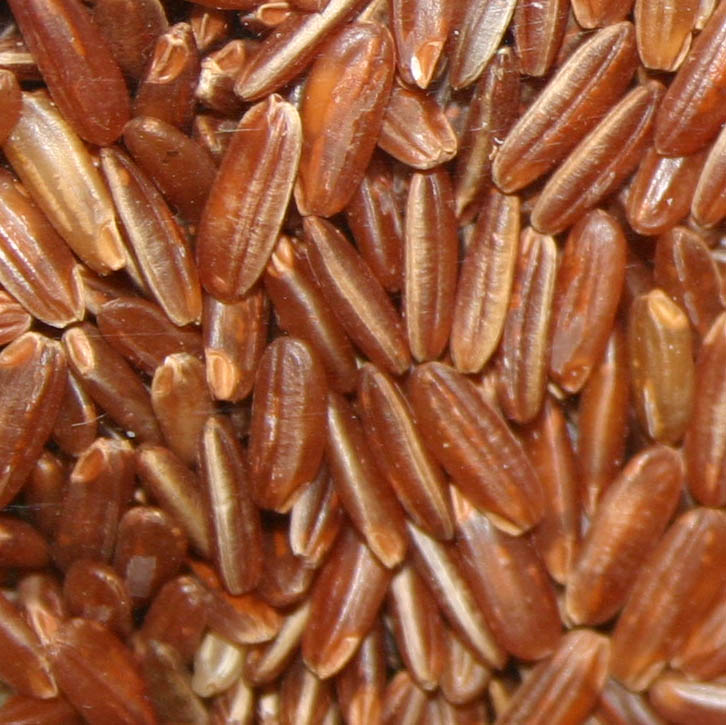
Whole grain rice, distinguished by its intact bran and germ layers, represents the unrefined state of the rice kernel, offering a richer nutritional profile than its polished counterpart, white rice. This category encompasses varieties like brown, red, black, and gold rice, all retaining the husk's removal but keeping the nutrient-dense outer layers. Historically a staple across Asia for millennia, its cultivation predates recorded history. The milling process that transforms whole grain rice into white rice strips away these vital components, significantly reducing fiber, vitamins, and minerals. Globally, rice is a primary food source for over half the world's population, with whole grain varieties gaining traction due to increasing awareness of their health benefits, including improved digestion and reduced risk of chronic diseases. Despite the dominance of white rice in many markets, the demand for whole grain rice is steadily climbing, signaling a shift towards more health-conscious dietary choices.
🎵 Origins & History
The story of whole grain rice is deeply rooted in ancient agriculture. Early cultivation focused on varieties that, once harvested, were simply de-husked, preserving the bran and germ. This unrefined state was the norm for millennia, forming the bedrock of diets across Asia. The advent of milling techniques allowed for the production of white rice, a process that removed the bran and germ to extend shelf life and achieve a lighter texture. This shift, driven by industrialization and changing consumer preferences, gradually sidelined whole grain rice in many Western markets, though it remained a staple in traditional diets. Precursors to modern whole grain rice include ancient landraces cultivated by indigenous communities across the Indian subcontinent and Southeast Asia, each with unique characteristics and nutritional profiles.
⚙️ How It Works
The fundamental difference between whole grain rice and white rice lies in their processing. Whole grain rice, such as brown rice, black rice, and red rice, undergoes minimal milling: only the inedible outer hull, or husk, is removed. This leaves the bran layer and the germ intact. The bran is the nutrient-rich outer layer of the kernel, packed with fiber, vitamins (especially B vitamins), and minerals like magnesium and phosphorus. The germ, the embryo of the seed, contains healthy fats, vitamins E and B, and antioxidants. White rice, conversely, is produced by further milling and polishing, which strips away both the bran and the germ. This process results in a softer texture and longer shelf life but significantly diminishes the rice's nutritional value, removing much of its fiber, vitamins, and minerals. The distinct colors of red, black, and gold rice are due to naturally occurring pigments called anthocyanins in their bran layers, which also possess antioxidant properties.
📊 Key Facts & Numbers
North America and Europe show the highest per capita consumption of whole grain rice varieties. For instance, a single cup (195g) of cooked brown rice provides around 216 calories, 4.5g of fiber, and significant amounts of manganese (88% of the daily value) and selenium (27% of the daily value), compared to a cup of white rice which offers less than 1g of fiber and fewer micronutrients.
👥 Key People & Organizations
While no single individual 'invented' whole grain rice, its widespread adoption and understanding are supported by numerous agricultural scientists, nutritionists, and public health organizations. The International Rice Research Institute (IRRI), founded in 1960, has been instrumental in developing and disseminating improved rice varieties, including those with enhanced nutritional profiles. Organizations like the World Health Organization (WHO) and national dietary guidelines, such as the USDA's MyPlate, advocate for increased consumption of whole grains, implicitly promoting whole grain rice. Key researchers in nutritional science, such as Dr. Walter Willett of Harvard's T.H. Chan School of Public Health, have published extensively on the benefits of whole grains, influencing public health policy and consumer choices. The Whole Grains Council, a non-profit advocacy group, also plays a crucial role in educating consumers about the benefits of whole grains, including rice.
🌍 Cultural Impact & Influence
Whole grain rice has woven itself into the cultural fabric of societies worldwide, far beyond its role as mere sustenance. In many traditional Asian cuisines, brown rice and its pigmented variants are not only staples but also hold cultural significance, often associated with health, longevity, and religious ceremonies. For instance, black rice, historically reserved for royalty in imperial China, is still revered for its perceived medicinal properties. The global rise in health consciousness has elevated whole grain rice from a niche product to a symbol of healthy eating. Its inclusion in diets is often linked to adopting a more mindful and health-oriented lifestyle, influencing culinary trends and the food industry. The visual appeal of red and black rice also adds aesthetic value to dishes, making them popular in gourmet and fusion cooking, demonstrating how a simple grain can transcend its basic function to become a cultural signifier.
⚡ Current State & Latest Developments
The current landscape for whole grain rice is marked by increasing consumer demand driven by health awareness and dietary trends. Major food manufacturers and retailers are expanding their offerings of whole grain rice products, including pre-cooked pouches, rice blends, and specialty varieties. The market is seeing innovation in processing techniques aimed at improving the texture and palatability of whole grain rice, addressing a key barrier to adoption for some consumers. Furthermore, there's a growing emphasis on traceability and sustainability in rice production, with consumers seeking ethically sourced and environmentally friendly options. The development of new rice cultivars with improved nutritional content and resilience to climate change is also a significant ongoing effort by research institutions like IRRI.
🤔 Controversies & Debates
The primary debate surrounding whole grain rice centers on its perceived palatability and texture compared to white rice, which has historically been preferred for its softer mouthfeel and milder flavor. Some consumers find whole grain rice too chewy or nutty, leading to a preference for the more refined white rice. Another point of contention, though increasingly settled by scientific consensus, was the exact extent of nutritional benefits. Early nutritional science sometimes overlooked the significant advantages of the bran and germ, but extensive research over the past few decades, including studies published in journals like the American Journal of Clinical Nutrition, has overwhelmingly supported the health benefits of whole grains. Critics also point to the longer cooking times required for whole grain rice, which can be a practical drawback for busy households. The economic aspect also surfaces, with whole grain rice often being more expensive than conventionally milled white rice due to processing and market demand.
🔮 Future Outlook & Predictions
The future of whole grain rice appears robust, driven by ongoing global health trends and a growing appreciation for nutrient-dense foods. We can anticipate further innovation in rice breeding, focusing on developing varieties with enhanced nutritional profiles, improved flavor, and faster cooking times, potentially narrowing the gap with white rice. The market is likely to see a greater proliferation of specialty whole grain rice products, catering to diverse dietary needs and preferences, such as gluten-free and low-glycemic options. Sustainability and ethical sourcing will become even more critical, with consumers demanding transparency in the supply chain. Furthermore, as climate change impacts global food systems, research into climate-resilient whole grain rice varieties will be paramount, ensuring its continued availability and role as a global staple. Projections suggest that whole grain rice could capture a significantly larger share of the global rice market within the next decade, potentially exceeding 30% of total consumption.
💡 Practical Applications
Whole grain rice finds diverse practical applications across culinary, health, and industrial sectors. In the kitchen, it serves as a versa
Key Facts
- Category
- food
- Type
- topic