
Contents
- 🎵 Origins & History
- ⚙️ How It Works
- 📊 Key Facts & Numbers
- 👥 Key People & Organizations
- 🌍 Cultural Impact & Influence
- ⚡ Current State & Latest Developments
- 🤔 Controversies & Debates
- 🔮 Future Outlook & Predictions
- 💡 Practical Applications
- 📚 Related Topics & Deeper Reading
- Frequently Asked Questions
- References
- Related Topics
Overview
Williamsburg's story begins not as a Brooklyn enclave, but as an independent city. Incorporated in 1840 as the Village of Williamsburg, it was officially chartered as a city in 1851. Its early growth was fueled by its strategic position on the East River, attracting German immigrants who established a robust manufacturing base, particularly in sugar refining and brewing. The city was annexed by Brooklyn in 1855, a move that solidified its industrial might but also marked the beginning of its integration into a larger urban fabric. By the mid-20th century, Williamsburg was a powerhouse of American industry, home to factories like the Domino Sugar Refinery, which employed thousands. However, the post-war era saw a dramatic shift. Beginning in the 1970s, deindustrialization and outsourcing led to widespread factory closures, leaving large swathes of the neighborhood economically depressed and sparsely populated. This period of contraction, however, inadvertently laid the groundwork for its next act, as affordable rents began to attract artists and alternative communities seeking space and inspiration, a stark contrast to the industrial grit that defined its past.
⚙️ How It Works
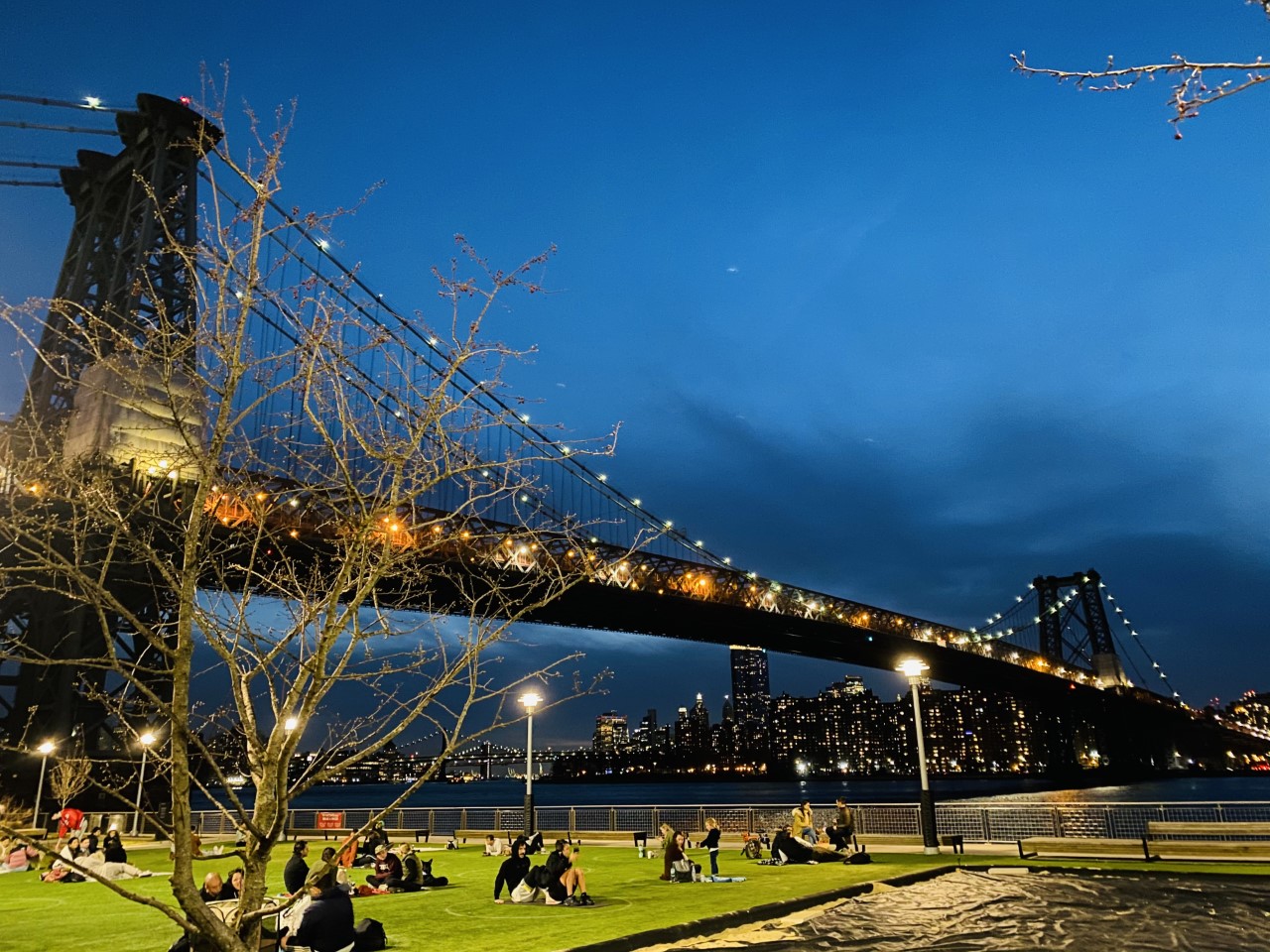
Williamsburg functions as a complex ecosystem of residential, commercial, and cultural spaces, intricately woven together. Its urban planning is a patchwork of former industrial zones, dense residential blocks, and newly developed waterfront properties. The neighborhood's 'vibe' is largely engineered by a dense concentration of independent businesses: artisanal coffee shops, craft breweries, vintage clothing stores, and independent art galleries. These establishments, often clustered along streets like Bedford Avenue and North 6th Street, create a self-reinforcing cultural circuit. The waterfront, once dominated by industrial piers, has been redeveloped into luxury condominiums and public parks, such as Domino Park, offering panoramic views of the Manhattan skyline and serving as a major public amenity. Transportation is a critical component, with the L train serving as a primary artery connecting Williamsburg to Manhattan, alongside ferry services and numerous bus lines, facilitating the constant flow of residents, commuters, and tourists that define its daily rhythm.
📊 Key Facts & Numbers
Williamsburg is a neighborhood of striking statistics. It spans approximately 3 square miles (7.8 sq km) and is home to an estimated 100,000 residents, a figure that has seen significant growth since the turn of the millennium. The median rent for a one-bedroom apartment hovers around $3,500 per month as of early 2024, reflecting its status as one of Brooklyn's most expensive neighborhoods. Over 40% of its residents have a bachelor's degree or higher, a testament to its educated and often creative populace. The neighborhood boasts over 500 restaurants and bars, and its retail sector generates an estimated $1 billion annually. The presence of over 200 art galleries and studios underscores its deep artistic roots, with an estimated 10,000 artists living or working within its boundaries. The waterfront alone has seen over $5 billion in development in the last two decades.
👥 Key People & Organizations
The transformation of Williamsburg is inextricably linked to a cast of influential figures and organizations. Early industrial titans like H.O.P.E. Sugar (Domino Sugar) shaped its economic landscape for over a century. In the late 20th century, activist groups like the St. Nicks Alliance emerged, advocating for community development and affordable housing, laying crucial groundwork for the neighborhood's revival. Artists such as Jean-Michel Basquiat and Keith Haring, though not exclusively Williamsburg residents, found inspiration and exhibition space in the burgeoning art scene. Developers like Two Trees Management have been instrumental in reshaping the waterfront, undertaking massive residential and commercial projects. The Brooklyn Brewery, founded in 1988 by Steve Hindy and Tom Potter, became an early symbol of the neighborhood's artisanal revival and a national brand. Numerous art collectives and performance spaces, like The Kitchen (though its primary space is in Chelsea, its influence is felt), have fostered its creative spirit.
🌍 Cultural Impact & Influence
Williamsburg's cultural impact extends far beyond its geographic borders, shaping global perceptions of urban cool and creative living. It became a global archetype for the gentrified artist district, influencing urban planning and real estate development in cities worldwide, from Berlin's Kreuzberg to Shoreditch in London. Its aesthetic—a blend of industrial chic, vintage charm, and DIY ethos—has permeated fashion, music, and interior design. The neighborhood has been a fertile ground for music genres, particularly indie rock and electronic music, with iconic venues like Baby's All Right and Music Hall of Williamsburg hosting countless emerging and established artists. Its influence is visible in the proliferation of artisanal food and beverage culture, popularizing everything from craft beer to small-batch pickles. The 'Williamsburg hipster' became a widely recognized cultural stereotype, both celebrated and satirized, highlighting the neighborhood's outsized influence on contemporary culture.
⚡ Current State & Latest Developments
As of 2024, Williamsburg remains a dynamic and evolving urban center. The waterfront continues to be a major focus of development, with ongoing projects promising more residential units and commercial spaces. The neighborhood's culinary scene continues to diversify, with new restaurants and food halls opening regularly, reflecting both global trends and local tastes. The arts scene remains robust, though facing challenges from rising rents that push artists further east. The L train's reliability remains a critical factor in the neighborhood's connectivity, with past service disruptions serving as a reminder of its dependence on robust infrastructure. There's a palpable tension between its established creative identity and the relentless influx of luxury development, a dynamic that defines its current state.
🤔 Controversies & Debates
The gentrification of Williamsburg is perhaps its most persistent controversy. Critics argue that the influx of affluent residents and luxury development has displaced long-term residents, particularly from the Hasidic Jewish community in South Williamsburg and working-class families, driving up rents and altering the neighborhood's social fabric. The 'hipster' stereotype itself is a point of contention, often seen as a superficial label that masks deeper economic and social inequalities. Debates also rage over the preservation of its industrial past versus the drive for modernization, with battles over the fate of historic buildings and the balance between new development and community character. The environmental impact of rapid development, particularly along the waterfront, is another ongoing concern, with questions raised about sustainability and resilience.
🔮 Future Outlook & Predictions
The future of Williamsburg will likely be defined by its ongoing negotiation between preservation and progress. Expect continued pressure from luxury development, potentially further pushing out artists and smaller businesses. The neighborhood's role as a cultural trendsetter will persist, though the definition of 'cool' may continue to shift. There's a growing emphasis on sustainability and green initiatives, which could shape future development. The demographic makeup will likely continue to diversify, but the challenge of maintaining affordability will remain paramount. The question is not if Williamsburg will change, but how it will manage that change to retain its unique character while accommodating growth. The success of initiatives aimed at preserving affordable artist spaces and supporting long-standing community institutions will be critical indicators.
💡 Practical Applications
Williamsburg's influence is evident in numerous practical applications and urban development models. The 'artisanal district' concept, characterized by a high density of independent, craft-focused businesses, has been replicated in cities globally, often drawing inspiration from Williamsburg's success. Its waterfront redevelopment serves as a case study for transforming industrial waterfronts into mixed-use, amenity-rich public spaces, influencing projects from Hudson Yards to international port redevelopments. The neighborhood's role as a breeding ground for creative talent has made it a desirable location for companies seeking to tap into that energy, influencing office space design and corporate relocation strategies. Furthermore, its status as a cultural influencer has made it a prime location for marketing campaigns and product launches targeting a young, urban demographic.
Key Facts
- Year
- 1851 (as city)
- Origin
- United States
- Category
- place
- Type
- place
Frequently Asked Questions
What was Williamsburg, Brooklyn like before it was gentrified?
Before its widespread gentrification, Williamsburg was a predominantly industrial neighborhood with a strong working-class and immigrant population, particularly of German and later Hasidic Jewish descent. The late 20th century saw a period of economic decline following deindustrialization, with many factories closing. This led to vacant industrial spaces and affordable rents, which began attracting artists, musicians, and alternative communities in the late 1980s and 1990s, setting the stage for its transformation into the vibrant, albeit more expensive, neighborhood it is today. The Domino Sugar Refinery, a massive industrial complex, was a central feature of its pre-gentrified landscape.
Why is Williamsburg considered a hub for artists and creatives?
Williamsburg's reputation as an artistic hub stems from its post-industrial affordability, which attracted artists seeking large, inexpensive studio spaces starting in the late 20th century. This influx fostered a vibrant scene of galleries, music venues, and performance spaces, creating a self-sustaining creative ecosystem. The neighborhood's distinct aesthetic, blending industrial grit with bohemian flair, became a powerful draw. While rising rents have made it harder for many artists to live and work there, the legacy of this period continues to define its cultural identity and attract creative professionals and industries seeking its unique vibe.
What are the main controversies surrounding Williamsburg's development?
The primary controversies revolve around gentrification and its impact on affordability and displacement. Critics argue that large-scale luxury developments, particularly along the waterfront by developers like Two Trees Management, have driven up rents, pushing out long-term residents, artists, and small businesses. There are also debates about the preservation of the neighborhood's industrial heritage versus the drive for modernization, and concerns about the environmental sustainability of new construction. The 'hipster' stereotype itself is often criticized for masking deeper socio-economic issues and contributing to a superficial image of the neighborhood.
How has Williamsburg's waterfront changed over time?
Williamsburg's waterfront has undergone a dramatic transformation from a bustling industrial zone to a prime residential and recreational area. For decades, it was dominated by factories like the Domino Sugar Refinery and shipping facilities. Beginning in the early 2000s, significant redevelopment efforts, spearheaded by firms like Two Trees Management, have converted these industrial sites into luxury condominiums, retail spaces, and public parks such as Domino Park. This transformation offers stunning views of the Manhattan skyline but has also been a focal point for gentrification debates.
What is the 'vibe' of Williamsburg, Brooklyn?
The 'vibe' of Williamsburg is a complex blend of creative energy, artisanal culture, and urban sophistication, often associated with its 'hipster' identity. It's characterized by a high concentration of independent coffee shops, craft breweries, vintage boutiques, art galleries, and live music venues. This atmosphere is a product of its history as an industrial hub that later attracted artists and creatives, fostering a DIY ethos and a distinct aesthetic that merges industrial chic with bohemian sensibilities. While this vibe has made it a global trendsetter, it's also a source of debate regarding authenticity and the impact of commercialization.
How does one get to Williamsburg from Manhattan?
The most common and efficient way to reach Williamsburg from Manhattan is via the L train, which connects directly to stations like Bedford Avenue, Lorimer Street, and Graham Avenue. Alternatively, the NYC Ferry offers scenic routes from various Manhattan piers to the Williamsburg waterfront, providing excellent views. Several bus lines also serve the neighborhood, and for those preferring a more direct route, taxis and ride-sharing services are readily available, though they can be subject to traffic delays.
What are the key differences between Williamsburg and Greenpoint?
While adjacent and sharing some similarities in their industrial past and subsequent creative revival, Williamsburg and Greenpoint have distinct characters. Williamsburg is generally larger, more densely populated, and has experienced more intense gentrification and commercialization, becoming a global symbol of urban cool. Greenpoint, to its north, has historically had a stronger Polish-American community influence and retains a somewhat more laid-back, though still rapidly changing, atmosphere. Greenpoint's development has also been more focused on preserving its industrial waterfront, with projects like the Greenpoint Landing development. Williamsburg's L train connection to Manhattan is a major differentiator for its accessibility.