
Contents
Overview
The origins of World War I can be traced back to a complex web of alliances, militarism, imperialism, and nationalism that developed in Europe during the late 19th and early 20th centuries. The assassination of Archduke Franz Ferdinand of Austria-Hungary in 1914 acted as the catalyst for the war, leading to a series of declarations of war among the major powers, including Germany, France, and Russia. The conflict quickly escalated, drawing in countries from around the globe, including the British Empire, the Ottoman Empire, and the United States, which joined the war in 1917.
⚙️ How It Worked
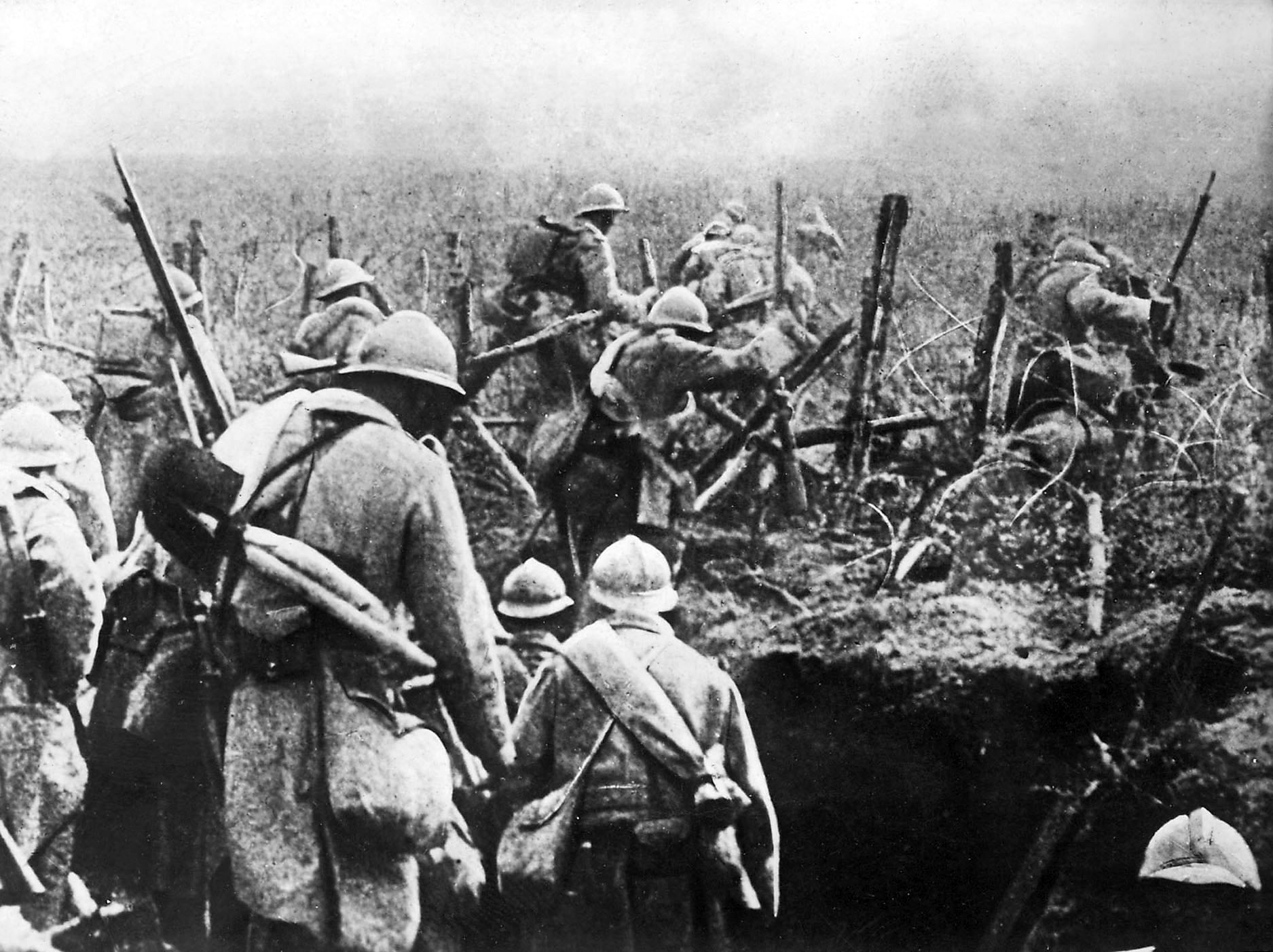
World War I was characterized by trench warfare, where soldiers faced horrific conditions on the Western Front, particularly in battles such as the Somme and Verdun. New technologies, including machine guns, tanks, and chemical weapons, transformed the nature of warfare, leading to staggering casualties. The war also saw the rise of propaganda, with governments using media to rally support and demonize the enemy. The Treaty of Versailles in 1919 officially ended the war, imposing heavy reparations on Germany and redrawing national boundaries across Europe.
🌍 Cultural Impact
The cultural impact of World War I was profound, influencing literature, art, and music. The disillusionment felt by many after the war was captured in the works of writers such as Erich Maria Remarque and T.S. Eliot, while artists like Pablo Picasso and the Dada movement reacted to the chaos and destruction. The war also led to significant social changes, including the role of women in the workforce and the push for suffrage, as seen in movements led by figures like Emmeline Pankhurst. Additionally, the war's aftermath contributed to the rise of totalitarian regimes in Europe, setting the stage for World War II.
🔮 Legacy & Future
The legacy of World War I continues to shape global politics and society today. The redrawing of borders and the creation of new nations, such as Yugoslavia and Czechoslovakia, resulted in ongoing ethnic tensions and conflicts. The war also laid the groundwork for the League of Nations, an early attempt at international cooperation that ultimately failed to prevent future conflicts. As we look to the future, the lessons learned from World War I remain relevant in discussions about diplomacy, conflict resolution, and the importance of international alliances.
Key Facts
- Year
- 1914-1918
- Origin
- Europe
- Category
- history
- Type
- event
Frequently Asked Questions
What were the main causes of World War I?
The main causes included militarism, alliances, imperialism, and nationalism.
How did World War I end?
World War I ended with the signing of the Armistice on November 11, 1918, followed by the Treaty of Versailles in 1919.
What were the major battles of World War I?
Major battles included the Battle of the Somme, the Battle of Verdun, and the Battle of Gallipoli.
What was the impact of World War I on society?
The war led to significant social changes, including the role of women in the workforce and the push for suffrage.
How did World War I influence future conflicts?
The unresolved issues and political changes from World War I contributed to the conditions that led to World War II.