
Contents
Overview
Yoga for mindfulness is a practice that intentionally integrates the physical postures (asanas) and breathwork of yoga with the principles and techniques of mindfulness meditation, primarily derived from Buddhist traditions. This fusion aims to cultivate present-moment awareness, reduce stress, and foster emotional regulation, extending beyond mere physical exercise to become a profound meditative experience. While yoga itself has historically incorporated meditative elements, the explicit emphasis on Buddhist-style mindfulness, particularly as popularized by figures like Jon Kabat-Zinn in the late 20th century, marks a distinct evolution. This practice is now offered globally in diverse settings, from Buddhist meditation centers to mainstream yoga studios and therapeutic contexts, reflecting its growing cultural resonance and perceived benefits for mental well-being.
🎵 Origins & History
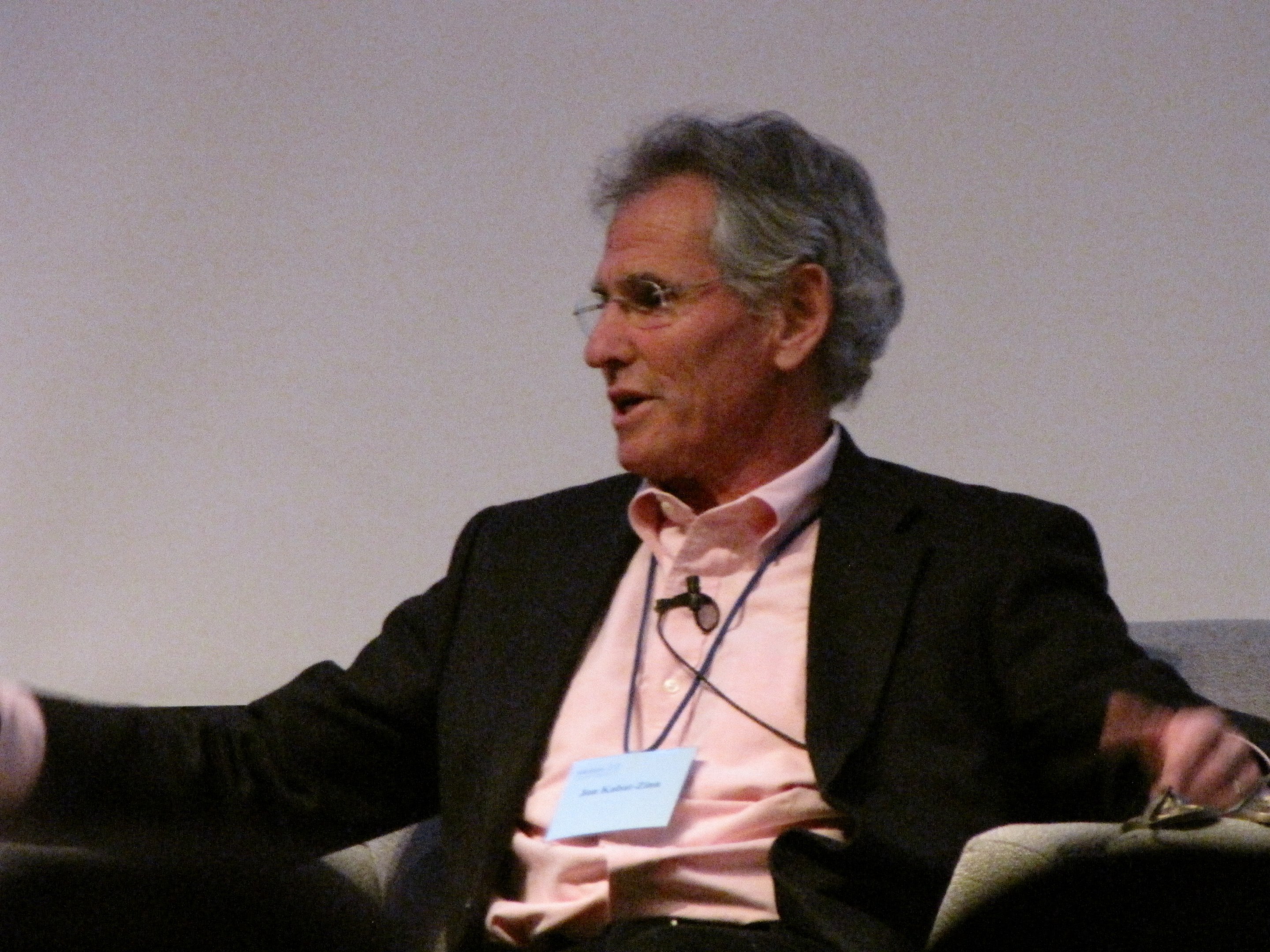
Yogic texts like the Yoga Sutras of Patanjali described states of meditative absorption (samadhi) achieved through practices that included asana and pranayama. Buddhist traditions emphasized mindfulness (sati) as a core component for understanding reality and alleviating suffering. The modern synthesis, however, largely began with Jon Kabat-Zinn’s pioneering work, where he integrated mindfulness meditation into his Mindfulness-Based Stress Reduction (MBSR) program, later adapting it with yoga. This marked a significant shift, explicitly framing yoga as a vehicle for Buddhist-style mindfulness for a secular audience.
⚙️ How It Works
Yoga for mindfulness operates by intentionally bringing awareness to the physical sensations, breath, and mental processes during practice. Practitioners are guided to observe their experience with non-judgmental attention. Paying close attention to the breath (pranayama) is used as an anchor to the present moment. The goal is to cultivate a state of mindful presence that can be carried into daily life, transforming a physical workout into a moving meditation.
📊 Key Facts & Numbers
Organizations like Mindfulness Trainings International report thousands of certified mindfulness instructors graduating annually.
👥 Key People & Organizations
Several key figures have shaped the landscape of yoga for mindfulness. The Insight Meditation Society offers integrated yoga and meditation programs, providing institutional support for this practice.
🌍 Cultural Impact & Influence
The influence of yoga for mindfulness has permeated mainstream wellness culture, impacting everything from corporate wellness programs to mental health therapies. Its emphasis on stress reduction and emotional regulation has made it a popular choice for individuals seeking alternatives to traditional stress management techniques. The practice has also found its way into popular media, with numerous books, documentaries, and online courses dedicated to mindful movement. This widespread adoption has, in turn, influenced the broader yoga industry, pushing many studios and teachers to incorporate more contemplative elements into their classes. The concept of "mindful living," popularized through yoga and meditation, has become a significant cultural trend, influencing consumer choices and lifestyle aspirations across demographics.
⚡ Current State & Latest Developments
In 2024, yoga for mindfulness continues to evolve, with a growing emphasis on trauma-informed approaches and accessibility. Initiatives are emerging to bring mindful yoga practices to underserved communities, including veterans, refugees, and individuals in correctional facilities, often in partnership with organizations like Trauma Sensitive Yoga Foundation. There's also an increasing integration of technology, with numerous apps like Calm and Headspace offering guided mindful yoga sessions. Research continues to explore its efficacy for specific conditions, such as chronic pain and depression, with new studies emerging regularly from institutions like Stanford University School of Medicine. The trend towards "slow yoga" and "restorative yoga" also aligns with the core principles of mindful awareness, indicating a sustained interest in gentler, more introspective forms of practice.
🤔 Controversies & Debates
One of the primary debates surrounding yoga for mindfulness centers on its secularization and potential dilution of its Buddhist roots. Critics, particularly from within traditional Buddhist circles, argue that removing the ethical and philosophical underpinnings of mindfulness risks turning it into a superficial "McMindfulness" or a mere stress-reduction tool, divorced from its deeper purpose of liberation. Another point of contention is the commercialization of mindfulness, with concerns that the proliferation of apps and wellness products may trivialize the practice. Furthermore, the efficacy and appropriate application of mindful yoga in clinical settings are subjects of ongoing research and discussion, with some questioning whether it can adequately replace evidence-based therapies for severe mental health conditions. The appropriation of Buddhist concepts by Western wellness industries also raises ethical questions about cultural sensitivity and proper attribution.
🔮 Future Outlook & Predictions
The future of yoga for mindfulness appears robust, with continued integration into healthcare and education systems likely. We can anticipate further research into its neurobiological effects, potentially leading to more targeted therapeutic applications for conditions like PTSD, anxiety, and addiction. The development of specialized mindful yoga programs for specific populations, such as athletes seeking mental resilience or seniors aiming for improved balance and cognitive function, is also expected to grow. As technology advances, immersive virtual reality (VR) experiences for mindful yoga may become more common, offering personalized and accessible practice environments. The ongoing dialogue between traditional contemplative practitioners and modern scientific researchers will likely refine our understanding and application of this practice, potentially leading to new hybrid modalities.
💡 Practical Applications
Yoga for mindfulness offers a wide array of practical applications. In therapeutic settings, it's used to manage chronic pain, reduce symptoms of depression and anxiety, and aid in recovery from trauma, often as part of Mindfulness-Based Cognitive Therapy (MBCT) or Dialectical Behavior Therapy (DBT) protocols. For stress reduction, individuals can practice mindful yoga at home using online resources or apps. In educational environments, it can help students improve focus, emotional regulation, and academic performance. Corporations are increasingly adopting mindful yoga for employee wellness
Key Facts
- Category
- vibes
- Type
- topic