
Summary
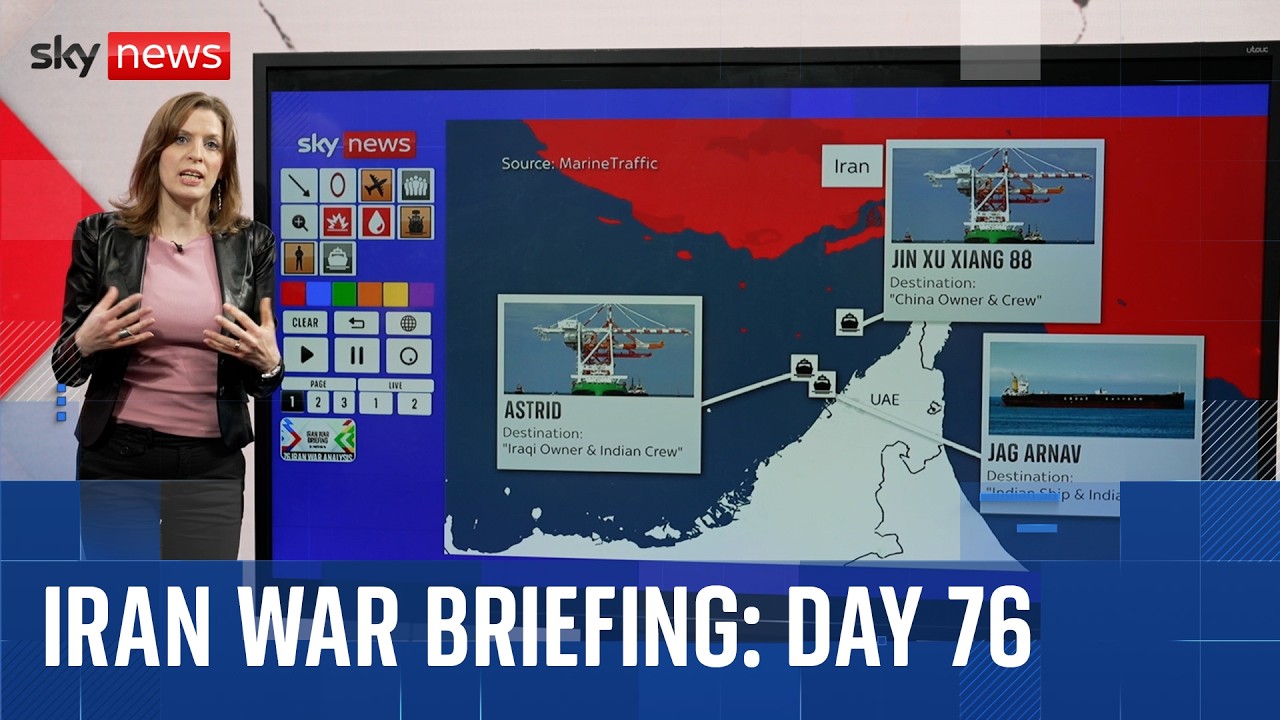
President **Donald Trump** asserted that the **United States** "control[s]" the **Strait of Hormuz**, a vital global oil transit route, while simultaneously claiming to have "wiped out" Iran's armed forces. This declaration comes amidst Iran's statement that it "cannot trust the Americans at all." Trump also revealed that **China** had offered assistance in resolving the conflict, an offer he declined, citing the inherent transactional nature of international aid. The exchange underscores the ongoing diplomatic standoff and the significant trust deficit between the two nations, particularly concerning Iran's nuclear program and regional stability. Trump's remarks, made to reporters and in an interview with Fox News' Bret Baier, suggest a belief that a deal with Iran was previously close but ultimately derailed by Iranian actions. He characterized Iranian negotiators as "crazy." The situation remains tense, with the Strait of Hormuz being a flashpoint for potential military escalation due to its strategic importance for global oil supply.
Key Takeaways
- President Trump claims US control over the Strait of Hormuz amidst heightened Iran tensions.
- Iran explicitly states it "cannot trust the Americans at all."
- Trump rejected a Chinese offer of assistance in resolving the Iran conflict.
- The Strait of Hormuz is a critical global oil chokepoint, making its control a major geopolitical issue.
- Ongoing negotiations over Iran's nuclear program remain a significant point of contention.
Balanced Perspective
The core facts indicate a significant diplomatic impasse. **Iran** has explicitly stated its distrust of the **United States**, a sentiment reciprocated by **Trump's** characterization of Iranian negotiators. The offer of assistance from **China** highlights the broader geopolitical implications, with Beijing seeking to protect its significant oil interests in the Middle East. The ongoing, yet stalled, negotiations over a longer-term deal, particularly concerning Iran's nuclear program, remain a central point of contention.
Optimistic View
The optimistic view sees **Trump's** strong rhetoric as a sign of American resolve and deterrence. By asserting control over the **Strait of Hormuz**, the U.S. signals its commitment to maintaining freedom of navigation and ensuring global energy security. This firm stance, coupled with the claimed "wiping out" of Iran's forces, could pressure Iran into genuine de-escalation and a more compliant posture regarding its nuclear ambitions, potentially leading to a more stable regional environment.
Critical View
The pessimistic outlook focuses on the escalating rhetoric and the potential for miscalculation. **Trump's** claims of controlling the **Strait of Hormuz** and having "wiped out" Iran's forces could be perceived as provocative by Tehran, increasing the risk of retaliatory actions. Iran's stated distrust suggests that diplomatic channels are severely compromised, making a peaceful resolution more challenging. The breakdown of previous deal discussions and the characterization of negotiators as "crazy" point towards a hardening of positions and a heightened risk of conflict.
Source
Originally reported by CBS News