
Contents
- 🎵 Origins & History
- ⚙️ How It Works
- 📊 Key Facts & Numbers
- 👥 Key People & Organizations
- 🌍 Cultural Impact & Influence
- ⚡ Current State & Latest Developments
- 🤔 Controversies & Debates
- 🔮 Future Outlook & Predictions
- 💡 Practical Applications
- 📚 Related Topics & Deeper Reading
- Frequently Asked Questions
- References
- Related Topics
Overview
The concept of augmented reality has been around for decades, with the first AR systems being developed in the 1960s by Ivan Sutherland, a computer scientist and engineer. However, it wasn't until the early 1990s that the first functional AR systems were invented, starting with the Virtual Fixtures system developed at the U.S. Air Force's Armstrong Laboratory in 1992. This system used a head-mounted display to overlay virtual objects onto the real world, allowing users to interact with them in a seamless and immersive way. Since then, AR has evolved significantly, with advancements in computer vision, machine learning, and display technology enabling the development of more sophisticated AR systems. Today, AR is used in various industries, including gaming, education, and healthcare, with companies like Google, Apple, and Microsoft investing heavily in AR research and development.
⚙️ How It Works
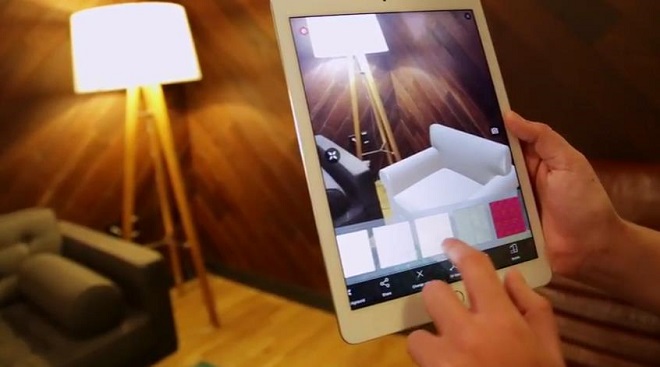
Augmented reality works by using a combination of sensors, cameras, and display technology to overlay virtual objects onto the real world. This is typically done using a handheld device, such as a smartphone or tablet, or a head-mounted display, such as a pair of smart glasses. The device uses its camera to capture the real world, and then uses computer vision algorithms to detect the user's surroundings and track their movements. The virtual objects are then rendered in real-time, using the device's display to overlay them onto the real world. This creates a seamless and immersive experience, allowing users to interact with virtual objects in a natural and intuitive way. For example, Pokémon Go uses AR to bring virtual Pokémon to life in the real world, while IKEA uses AR to allow customers to see how furniture would look in their home before making a purchase.
📊 Key Facts & Numbers
The AR market is expected to reach $70 billion by 2023, with over 1 billion AR-enabled devices expected to be in use by 2025. The use of AR in education is expected to increase by 20% annually, with over 50% of educational institutions expected to adopt AR technology by 2025. The healthcare industry is also expected to see significant growth, with AR being used to enhance patient care and improve medical training. For example, Johns Hopkins University is using AR to create interactive 3D models of the human body, allowing medical students to practice surgeries in a virtual environment. The use of AR in gaming is also expected to continue to grow, with over 50% of gamers expected to use AR technology by 2025.
👥 Key People & Organizations
Key people and organizations in the AR industry include John Carmack, the founder of Oculus VR, and Tim Cook, the CEO of Apple. Other notable companies in the AR industry include Google, Microsoft, and Facebook. These companies are investing heavily in AR research and development, with a focus on creating more sophisticated AR systems and experiences. For example, Google is developing an AR platform called Google AR, which allows developers to create AR experiences for Android devices. Apple is also developing an AR platform called Apple AR, which allows developers to create AR experiences for iOS devices.
🌍 Cultural Impact & Influence
The cultural impact of AR is significant, with the technology being used in various industries and aspects of our lives. AR is being used in education to create interactive and immersive learning experiences, in healthcare to enhance patient care and improve medical training, and in gaming to create new and innovative gaming experiences. For example, National Geographic is using AR to create interactive 3D models of historical landmarks, allowing users to explore and learn about these landmarks in a virtual environment. The use of AR in social media is also expected to continue to grow, with over 50% of social media users expected to use AR technology by 2025.
⚡ Current State & Latest Developments
The current state of AR is one of rapid growth and development, with new technologies and experiences being developed and released on a regular basis. The use of AR in gaming is expected to continue to grow, with over 50% of gamers expected to use AR technology by 2025. The use of AR in education is also expected to increase, with over 50% of educational institutions expected to adopt AR technology by 2025. For example, Mark Zuckerberg has announced plans to integrate AR into Facebook's platform, allowing users to create and share AR experiences with their friends and family.
🤔 Controversies & Debates
There are several controversies and debates surrounding the use of AR, including concerns about privacy and security. The use of AR in gaming has also raised concerns about addiction and social isolation. For example, the use of AR in Pokémon Go has been linked to several accidents and injuries, highlighting the need for users to be aware of their surroundings while using AR technology. The use of AR in education has also raised concerns about the potential for distraction and decreased attention span.
🔮 Future Outlook & Predictions
The future outlook for AR is one of significant growth and development, with the technology expected to become increasingly ubiquitous and integrated into our daily lives. The use of AR in gaming is expected to continue to grow, with over 50% of gamers expected to use AR technology by 2025. The use of AR in education is also expected to increase, with over 50% of educational institutions expected to adopt AR technology by 2025. For example, Amazon is developing an AR platform called Amazon Sumerian, which allows developers to create AR experiences for a variety of devices and platforms.
💡 Practical Applications
The practical applications of AR are numerous and varied, with the technology being used in various industries and aspects of our lives. AR is being used in education to create interactive and immersive learning experiences, in healthcare to enhance patient care and improve medical training, and in gaming to create new and innovative gaming experiences. For example, Walmart is using AR to create interactive 3D models of products, allowing customers to see how products would look in their home before making a purchase.
Key Facts
- Year
- 1992
- Origin
- U.S. Air Force's Armstrong Laboratory
- Category
- technology
- Type
- technology
Frequently Asked Questions
What is augmented reality?
Augmented reality (AR) is a form of 3D human-computer interaction that overlays real-time 3D-rendered computer graphics into the real world through a display, such as a handheld device or head-mounted display. For example, Pokémon Go uses AR to bring virtual Pokémon to life in the real world.
How does AR work?
AR works by using a combination of sensors, cameras, and display technology to overlay virtual objects onto the real world. This is typically done using a handheld device, such as a smartphone or tablet, or a head-mounted display, such as a pair of smart glasses. For example, Google's AR platform uses computer vision algorithms to detect the user's surroundings and track their movements.
What are the potential applications of AR?
The potential applications of AR are numerous and varied, with the technology being used in various industries and aspects of our lives. AR is being used in education to create interactive and immersive learning experiences, in healthcare to enhance patient care and improve medical training, and in gaming to create new and innovative gaming experiences. For example, Johns Hopkins University is using AR to create interactive 3D models of the human body, allowing medical students to practice surgeries in a virtual environment.
What are the potential risks and challenges of AR?
The potential risks and challenges of AR include concerns about privacy and security, as well as the potential for addiction and social isolation. For example, the use of AR in Pokémon Go has been linked to several accidents and injuries, highlighting the need for users to be aware of their surroundings while using AR technology.
What is the current state of AR?
The current state of AR is one of rapid growth and development, with new technologies and experiences being developed and released on a regular basis. The use of AR in gaming is expected to continue to grow, with over 50% of gamers expected to use AR technology by 2025. For example, Mark Zuckerberg has announced plans to integrate AR into Facebook's platform, allowing users to create and share AR experiences with their friends and family.
What is the future outlook for AR?
The future outlook for AR is one of significant growth and development, with the technology expected to become increasingly ubiquitous and integrated into our daily lives. The use of AR in gaming is expected to continue to grow, with over 50% of gamers expected to use AR technology by 2025. For example, Amazon is developing an AR platform called Amazon Sumerian, which allows developers to create AR experiences for a variety of devices and platforms.
How is AR being used in education?
AR is being used in education to create interactive and immersive learning experiences, such as virtual field trips and interactive 3D models. For example, National Geographic is using AR to create interactive 3D models of historical landmarks, allowing users to explore and learn about these landmarks in a virtual environment.
How is AR being used in healthcare?
AR is being used in healthcare to enhance patient care and improve medical training, such as by creating interactive 3D models of the human body. For example, Johns Hopkins University is using AR to create interactive 3D models of the human body, allowing medical students to practice surgeries in a virtual environment.
What are the potential applications of AR in gaming?
The potential applications of AR in gaming are numerous and varied, with the technology being used to create new and innovative gaming experiences. For example, Pokémon Go uses AR to bring virtual Pokémon to life in the real world, while Microsoft is developing an AR platform called Microsoft HoloLens, which allows developers to create AR experiences for a variety of devices and platforms.