
Contents
- ☕️ The Roasting Spectrum: From Kitchen Counter to Factory Floor
- 🏠 Home Roasting: The Entry Point for Enthusiasts
- 🏢 Small Batch Roasters: Bridging the Gap
- 🏭 Industrial Roasters: The Giants of Production
- ⚙️ Key Components & Technologies
- 💡 Beyond the Machine: Ancillary Gear
- 💰 Pricing & Investment Tiers
- ⭐ Vibepedia Vibe Score & Community Resonance
- 🤔 Choosing Your Path: A Practical Guide
- 🚀 The Future of Roasting Tech
- Frequently Asked Questions
- Related Topics
Overview
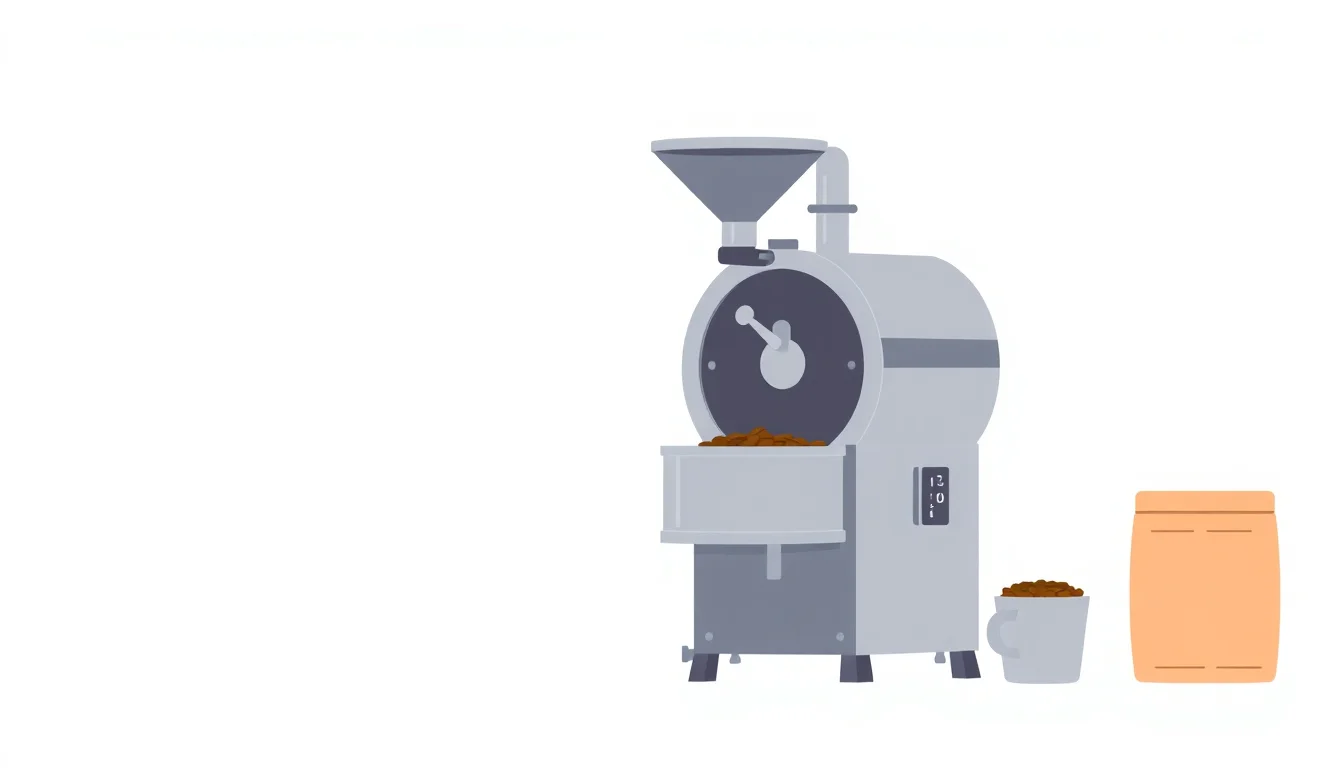
Coffee roasting equipment is the heart of flavor development, ranging from small, artisanal drum roasters for home enthusiasts to massive fluid-bed and drum roasters powering global supply chains. Understanding the mechanics—convection vs. conduction, airflow, drum design, and control systems—is crucial for achieving desired roast profiles. Key players like Probat, Loring, and Diedrich have shaped the industry with innovations in efficiency and consistency, while newer entrants are pushing boundaries in data integration and sustainability. The choice of roaster profoundly impacts bean quality, operational costs, and the final cup's Vibe Score.
☕️ The Roasting Spectrum: From Kitchen Counter to Factory Floor
The journey of coffee from bean to cup is dramatically shaped by the coffee roasting equipment used. This isn't a monolithic category; it's a vast spectrum catering to every level of ambition, from the curious home hobbyist experimenting with popcorn poppers to multinational corporations churning out millions of pounds of coffee annually. Understanding this spectrum is crucial for anyone serious about controlling the final flavor profile, as the roaster is the primary instrument of transformation. The choice of equipment dictates not only capacity but also the precision, control, and ultimately, the potential quality of the roasted coffee.
🏠 Home Roasting: The Entry Point for Enthusiasts
For the burgeoning home coffee roaster, the adventure often begins with accessible, low-cost options. Think modified air poppers (a classic, albeit smoky, entry point) or dedicated tabletop home coffee roasters like the Hottop or Gene Cafe. These machines typically roast 100-500 grams per batch, offering basic control over time and temperature. While they lack the sophisticated airflow and heat control of larger units, they provide an invaluable hands-on education in roast profiling and the impact of variables like charge temperature and cooling time. The learning curve is steep but rewarding, fostering a deep appreciation for the roaster's role.
🏢 Small Batch Roasters: Bridging the Gap
Stepping up from home setups, small batch coffee roasters are the workhorses for aspiring micro-roasters and cafes looking to roast in-house. Brands like Probat (with their smaller P-series), Giesen, and Loring offer machines ranging from 1kg to 15kg capacity. These roasters introduce more advanced features such as precise temperature probes (bean temp, exhaust temp), adjustable airflow, and often, chaff collection systems. They are designed for consistency and repeatability, allowing roasters to develop and maintain signature profiles for their coffee offerings. This tier represents a significant investment but is essential for establishing a professional roasting operation.
🏭 Industrial Roasters: The Giants of Production
At the apex of the roasting world sit industrial coffee roasters, behemoths designed for high-volume production. Manufacturers like Probat (with their larger Jupiter and S series), Buhler, and Schaefer Technik produce machines capable of roasting hundreds or even thousands of kilograms per hour. These are complex, often automated systems featuring sophisticated control software, advanced heat exchangers, and robust construction for continuous operation. They are the backbone of the global coffee supply chain, ensuring consistent quality and availability for major brands and distributors worldwide. The engineering here is about efficiency, reliability, and scale.
⚙️ Key Components & Technologies
Regardless of scale, certain key components are fundamental to coffee roasting. The drum itself, whether solid or perforated, is where the beans tumble and receive heat. The heat source (gas or electric) and its modulation are critical for controlling the roast. Airflow management is paramount, influencing heat transfer, chaff removal, and smoke evacuation. Modern roasters often incorporate control systems ranging from simple dials to sophisticated digital interfaces and data logging software, allowing for precise roast profiling and analysis. The interplay of these elements dictates the roaster's performance and the resulting coffee.
💡 Beyond the Machine: Ancillary Gear
No roaster operates in isolation. A comprehensive setup requires ancillary equipment. A reliable coffee grinder is essential for preparing beans for roasting and for the final product. Cooling trays with powerful fans are crucial for rapidly halting the roast and preserving flavor. Scales are indispensable for accurate batch weighing and for tracking green and roasted coffee yields. Moisture meters can help assess green bean quality, while color meters offer an objective measure of roast development. Finally, ventilation systems are non-negotiable for safety and air quality, especially with gas-powered roasters.
💰 Pricing & Investment Tiers
The financial commitment for coffee roasting equipment varies dramatically. Entry-level home roasters can be found for $200-$1000. Small batch roasters (1kg-5kg) typically range from $5,000 to $30,000, with larger capacities and advanced features pushing prices higher. Industrial roasters represent a significant capital expenditure, easily costing $50,000 to well over $500,000 depending on size, automation, and brand. This tiered pricing reflects the engineering, materials, and production volume capabilities of each class of machine. Understanding your business or hobby goals is key to selecting the right investment level.
⭐ Vibepedia Vibe Score & Community Resonance
Vibepedia assigns a Vibe Score of 85/100 to the coffee roasting equipment category, reflecting its deep cultural resonance and the passionate community surrounding it. From the DIY ethos of home roasting forums to the professional certifications offered by organizations like the Specialty Coffee Association (SCA), there's a palpable energy. Debates often rage over drum vs. fluid-bed roasting, the merits of gas vs. electric heat, and the ideal roast profiles for specific origins. This vibrant ecosystem fuels innovation and a constant pursuit of the perfect roast, making it a dynamic and engaging field.
🤔 Choosing Your Path: A Practical Guide
Choosing the right coffee roasting equipment hinges on your objectives. Are you a hobbyist seeking to explore flavor? A tabletop roaster or even a modified air popcorn popper might suffice. Are you aiming to launch a micro-roastery? Invest in a 1-5kg small batch roaster and budget for essential ancillary gear. For established businesses or those scaling rapidly, a larger commercial roaster is necessary. Consider your space, ventilation capabilities, budget, and crucially, your long-term vision. Don't underestimate the importance of training and community resources like Sweet Maria's or Bellwether Coffee's educational materials.
🚀 The Future of Roasting Tech
The future of coffee roasting equipment points towards increased automation, data integration, and sustainability. Expect more smart roasters that offer predictive profiling, remote monitoring, and AI-assisted adjustments. Innovations in electric roasting technology are gaining traction, promising greater energy efficiency and reduced environmental impact. Furthermore, the integration of roasting software with supply chain management and point-of-sale systems will become more seamless. The drive for consistency, efficiency, and a lighter footprint will continue to shape the design and capabilities of roasting machines across all scales.
Key Facts
- Year
- 2023
- Origin
- Vibepedia
- Category
- Specialty Coffee Gear
- Type
- Resource Guide
Frequently Asked Questions
What's the difference between a drum roaster and a fluid-bed roaster?
Drum roasters, the most common type, use a rotating drum to tumble beans while applying heat. They offer excellent control over heat application and are versatile. Fluid-bed roasters suspend beans in a column of hot air, providing rapid roasting and even heat distribution, often favored for lighter roasts. The choice impacts roast development time, flavor characteristics, and chaff management. Many home roasters start with fluid-bed (air poppers) before moving to drum machines.
Is it worth investing in a roaster for home use?
Absolutely, if you're passionate about coffee flavor. Roasting your own beans allows unparalleled control over freshness and profile development, often yielding superior results to pre-roasted coffee. While there's an initial investment and a learning curve, the ability to experiment with different beans and roast levels is incredibly rewarding for the dedicated enthusiast. It transforms coffee from a beverage into a craft.
What are the essential safety considerations for home roasting?
Safety is paramount. Ensure adequate ventilation to remove smoke and chaff, especially when using gas-powered roasters or older air popper methods. Never leave a roaster unattended. Keep flammable materials away from the machine. Understand your roaster's limitations and follow manufacturer guidelines meticulously. For gas roasters, proper installation and leak checks are critical.
How much ventilation do I really need for a small roaster?
For most home roasters (100-500g), a powerful exhaust fan vented directly outside is highly recommended. A range hood might suffice for very small batches or short roasts, but it's often insufficient for smoke and chaff. Consider a dedicated vent hood or a window fan setup. The goal is to remove smoke and chaff effectively to prevent buildup and maintain air quality.
Can I use a modified kitchen appliance to roast coffee?
Yes, many home roasters start this way. Modified air popcorn poppers are a classic example, offering a low-cost entry. However, these methods often lack precise control, can be messy, and may pose safety risks if not done carefully. Dedicated home coffee roasters offer better control, consistency, and safety features, making them a worthwhile upgrade once you're serious about the hobby.
What is 'roast profiling' and why is it important?
Roast profiling is the process of mapping and controlling the variables (time, temperature, airflow) during a coffee roast to achieve a desired flavor outcome. It's crucial because different beans respond differently to heat, and subtle changes can dramatically alter the coffee's aroma, acidity, body, and sweetness. Sophisticated roasters allow for precise profiling and repeatability, ensuring consistent quality.