
Contents
Overview
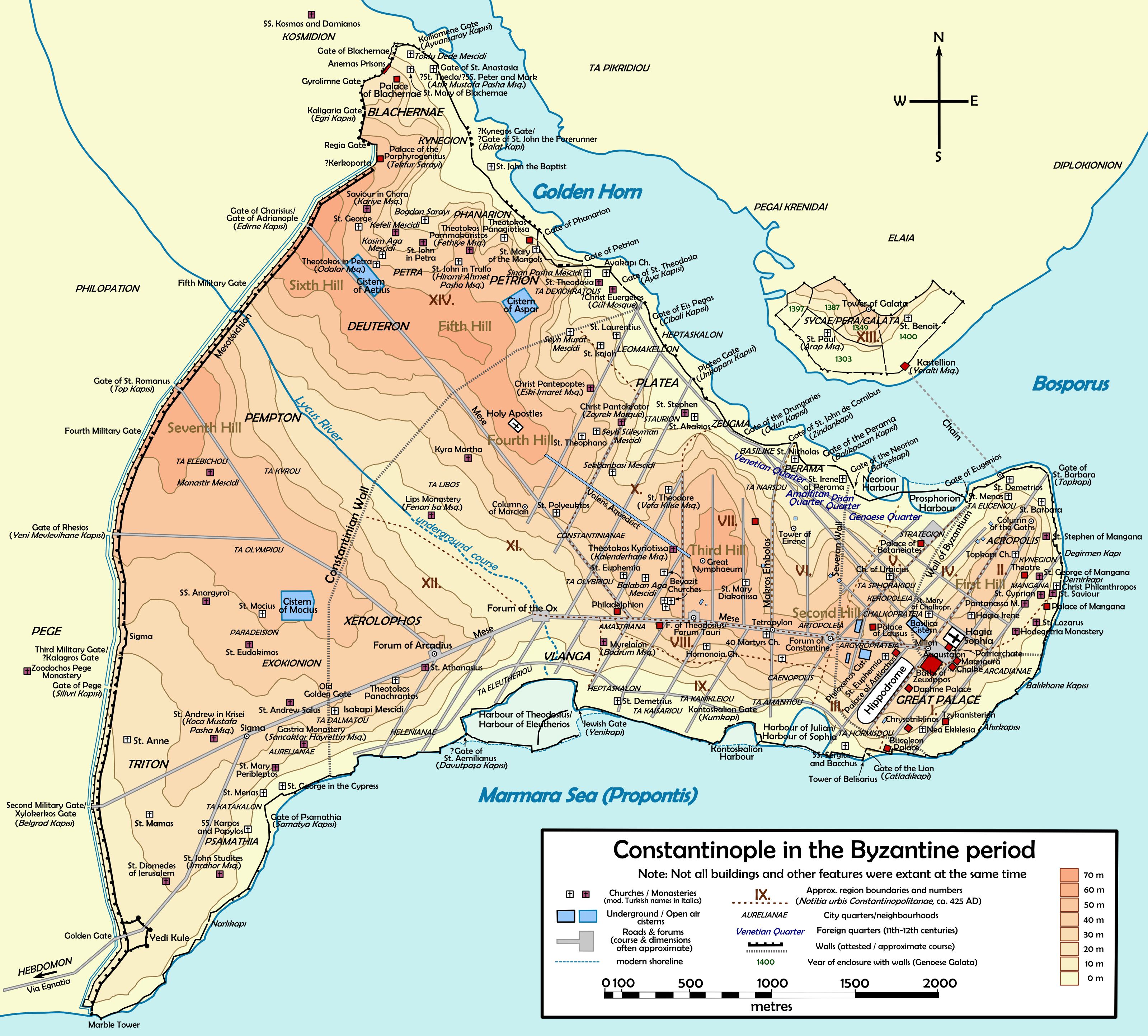
Constantinople was founded in 324 by Constantine the Great on the site of the existing settlement of Byzantium. The city was initially known as New Rome and became the capital of the Roman Empire in 330. Following the collapse of the Western Roman Empire in the late 5th century, Constantinople remained the capital of the Byzantine Empire (also known as the Eastern Roman Empire), the Latin Empire, and the Ottoman Empire. The city's strategic location on the Bosporus made it a crucial trade hub, connecting Europe and Asia.
🌍 Cultural Significance
The city's cultural significance extends beyond its historical importance, with influences from Greece, Rome, and the Middle East. Constantinople was a center of learning, with the famous Hagia Sophia serving as a hub for scholars and theologians. The city's architecture, including the Basilica Cistern and the Topkapi Palace, reflects its rich cultural heritage. The city's cuisine, a fusion of Turkish, Greek, and Middle Eastern flavors, is also a testament to its cultural diversity.
🏰 Architectural Legacy
The architectural legacy of Constantinople is a testament to its historical significance. The city's landmarks, such as the Hagia Sophia and the Blue Mosque, are renowned for their beauty and historical importance. The city's walls, built during the Byzantine Empire, are a testament to its defensive capabilities. The city's modern architecture, including the Galata Tower and the Istanbul Sultanahmet Mosque, reflects its evolution into a modern metropolis.
🔮 Modern Istanbul
Today, the city is known as Istanbul, a thriving metropolis with a population of over 16 million residents. The city's modern identity is a blend of its historical heritage and its modern culture, with a vibrant arts scene, a thriving economy, and a rich cultural landscape. Visitors can explore the city's historic landmarks, such as the Topkapi Palace and the Basilica Cistern, or experience the city's modern culture, including its famous Bosphorus cruises and its vibrant Grand Bazaar.
Key Facts
- Year
- 324
- Origin
- Bosporus
- Category
- history
- Type
- place
Frequently Asked Questions
What was the significance of Constantinople in world history?
Constantinople was a pivotal city in world history, serving as the capital of the Roman, Byzantine, Latin, and Ottoman empires. Its strategic location on the Bosporus made it a crucial trade hub, connecting Europe and Asia. The city's cultural significance extends beyond its historical importance, with influences from Greece, Rome, and the Middle East.
What are some of the city's most famous landmarks?
The city's landmarks, such as the Hagia Sophia and the Blue Mosque, are renowned for their beauty and historical importance. The city's walls, built during the Byzantine Empire, are a testament to its defensive capabilities. The city's modern architecture, including the Galata Tower and the Istanbul Sultanahmet Mosque, reflects its evolution into a modern metropolis.
What is the city's modern identity?
The city's modern identity is a blend of its historical heritage and its modern culture, with a vibrant arts scene, a thriving economy, and a rich cultural landscape. Visitors can explore the city's historic landmarks, such as the Topkapi Palace and the Basilica Cistern, or experience the city's modern culture, including its famous Bosphorus cruises and its vibrant Grand Bazaar.
Who was the founder of Constantinople?
The founder of Constantinople was Constantine the Great, who founded the city in 324 on the site of the existing settlement of Byzantium.
What is the city's population today?
The city's population today is over 16 million residents, making it the most populous city in Europe.