
Contents
Overview
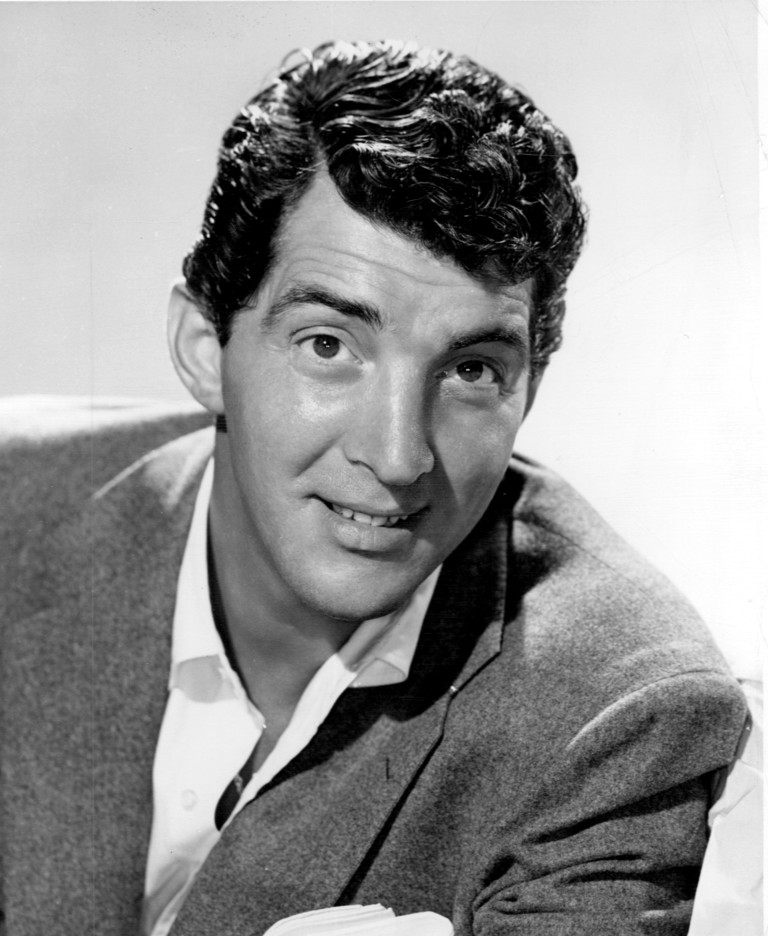
Dean Martin was an iconic American entertainer who gained fame as a singer and actor, known for his smooth voice and charismatic stage presence. He was a key figure in the Rat Pack, alongside fellow entertainers like Frank Sinatra and Sammy Davis Jr.. Martin's career spanned several decades, with hits that defined the popular music landscape, including timeless classics like 'That's Amore' and 'Volare.' His relaxed style and appeal helped him amass a devoted fan base, making him a cultural icon of the mid-20th century.
Early Life & Influences
Born in Steubenville, Ohio, on June 7, 1917, Dean Martin was the son of Italian immigrants. His early influences included crooners like Bing Crosby and Frank Sinatra, which shaped his unique vocal style. Martin began his career in the 1940s as a singer in nightclubs, eventually gaining recognition for his smooth baritone and laid-back demeanor. His early performances were often influenced by the burgeoning big band scene, where he honed his craft alongside other aspiring musicians.
Career & Discography
Martin's musical career took off in the 1950s, marked by the release of albums like 'Dean Martin Sings' and 'This Time I'm Swingin'!' His collaborations with arrangers such as Nelson Riddle showcased his ability to blend pop and jazz elements seamlessly. Hits like 'Everybody Loves Somebody' and 'Ain't That a Kick in the Head' solidified his status as a leading voice in the traditional pop genre. His transition to film and television further amplified his fame, as he starred in movies like 'Rio Bravo' and hosted 'The Dean Martin Show,' where he showcased his comedic talent.
Legacy & Influence
Dean Martin's legacy is profound, influencing countless artists across genres. His unique style and approach to crooning inspired artists like Bobby Darin and Tony Bennett, who followed in his footsteps. Martin's blend of humor and music created a blueprint for entertainers, showcasing the importance of personality and charm in performance. He remains a defining figure in American music history, with an enduring influence that resonates today.
Cultural Impact
Culturally, Dean Martin represents the epitome of mid-century American entertainment. His work with the Rat Pack not only shaped the Las Vegas entertainment scene but also defined a lifestyle associated with elegance and charisma. Martin's songs continue to appear in films and commercials, reinforcing his timeless appeal. Through his laid-back persona and memorable ballads, he helped shape the image of the modern entertainer, blending music, comedy, and charm in a way that remains influential.
Key Facts
- Year
- 1917-1995
- Origin
- Steubenville, Ohio
- Category
- music
- Type
- artist
Frequently Asked Questions
What were Dean Martin's biggest hit songs?
Dean Martin's most iconic hits include "Everybody Loves Somebody," "That's Amore," "Volare," "Ain't That a Kick in the Head," and "Memories Are Made of This." These songs showcase his signature smooth vocal style and have remained popular for decades, often appearing on compilations and in films. His Christmas music, particularly "Let It Snow! Let It Snow! Let It Snow!," is also a perennial favorite during the holiday season.
Which movies did Dean Martin star in?
Dean Martin had a prolific film career, appearing in over 60 movies. Notable films include the Western Rio Bravo (1959), the comedy Who's That Lady? (1960), the musical Robin and the 7 Hoods (1964), and the spy spoofs The Silencers (1966) and The Ambushers (1967) from the Matt Helm series. He also starred in dramas like Some Came Running (1958).
Who were the members of the Rat Pack?
The most famous iteration of the Rat Pack included Dean Martin, Frank Sinatra, Sammy Davis Jr., Peter Lawford, and Joey Bishop. While other entertainers were associated with the group at various times, these five are most commonly recognized as the core members. They were known for their performances in Las Vegas and their close personal friendships.
What was Dean Martin's television show?
Dean Martin hosted The Dean Martin Show, a highly successful variety television program that aired on NBC from 1965 to 1976. The show featured a mix of musical performances, comedy sketches, and celebrity guests, perfectly showcasing Martin's relaxed hosting style and his ability to connect with a wide audience. It was a staple of Sunday night television for over a decade.
What is Dean Martin's lasting appeal?
Dean Martin's enduring appeal lies in his image of effortless cool, his smooth vocal delivery, and his relatable persona. He represented a certain aspirational lifestyle of leisure and charm that continues to fascinate audiences. His music remains timeless, and his relaxed, often humorous, approach to entertainment provides a comforting and enjoyable experience for fans across generations.
How did Dean Martin influence other artists?
Dean Martin's influence can be seen in contemporary artists who adopt a smooth, crooning vocal style or project an image of suave sophistication. His ability to seamlessly transition between music, acting, and television hosting also serves as a model for versatile entertainers. The 'cool' persona he perfected remains a benchmark for performers aiming for a laid-back yet charismatic presence, particularly in genres influenced by jazz and traditional pop.