
Vibepedia

Glam Rock | Vibepedia

glam rock 70s androgyny theatricality
Glam Rock | Vibepedia

Glam rock, often shortened to 'glam', exploded onto the music scene in the early 1970s, injecting a much-needed dose of theatricality and overt artifice into…

Contents

  1. Genesis of Glitter
  2. The Glam Sound
  3. Chart Domination & Controversy
  4. Enduring Resonance
  5. Frequently Asked Questions
  6. Related Topics

Overview

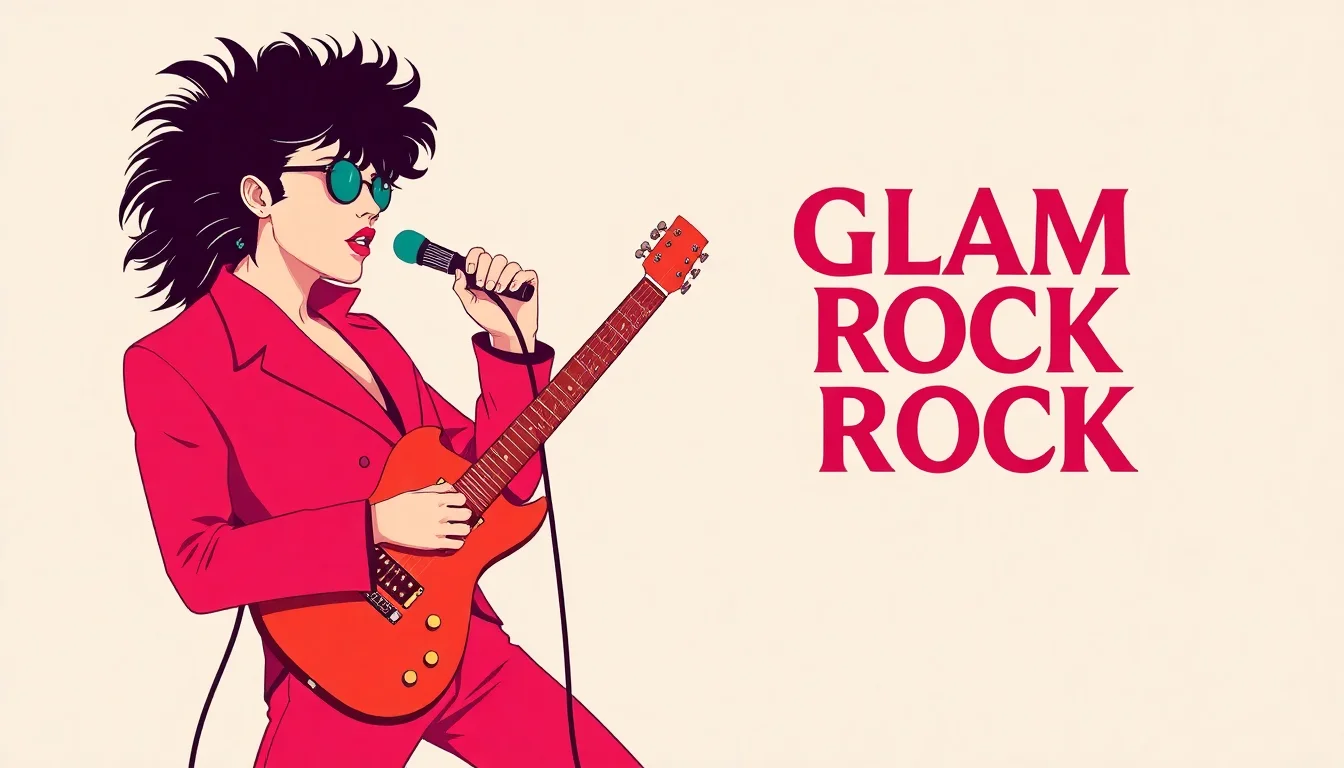
Glam rock, often shortened to 'glam', exploded onto the music scene in the early 1970s, injecting a much-needed dose of theatricality and overt artifice into the prevailing rock landscape. It was a direct challenge to the gritty authenticity of blues-rock and the introspective leanings of folk-rock, opting instead for a dazzling, often outrageous aesthetic. This movement wasn't just about the music; it was a visual spectacle, a deliberate blurring of gender lines, and a celebration of escapism through pure, unadulterated showmanship.

Musically, glam rock often incorporated elements of pop, hard rock, and psychedelia, but its true innovation lay in its presentation. Artists like [[david-bowie|David Bowie]] with his Ziggy Stardust persona, [[t-rex|T. Rex]] led by [[marc-bolan|Marc Bolan]], and [[slade|Slade]] pushed boundaries with glitter, platform boots, and outlandish costumes. The music itself could range from catchy, riff-driven anthems to more experimental, art-rock leanings, but it was always delivered with a sense of grandiosity and a wink.

The cultural impact of glam rock cannot be overstated. It provided a safe haven for self-expression and challenged societal norms around masculinity and identity, paving the way for later genres like [[new-wave|New Wave]] and [[post-punk|Post-Punk]]. While its initial wave crested by the mid-1970s, its influence continues to resonate in music, fashion, and performance art, proving that sometimes, the most profound statements are made with the loudest colors and the highest heels.

Genesis of Glitter

Glam rock emerged from a fertile ground of post-psychedelic experimentation and a burgeoning desire for escapism in the early 1970s. While artists like [[the-beatles|The Beatles]] had toyed with costuming and theatricality, glam rock made it the central tenet. Precedents can be found in the [[shock-rock|shock rock]] of [[alice-cooper|Alice Cooper]] and the art-school sensibilities of [[the-velvet-underground|The Velvet Underground]]. However, it was British artists like [[david-bowie|David Bowie]], who first adopted flamboyant personas like Ziggy Stardust, and [[marc-bolan|Marc Bolan]] of [[t-rex|T. Rex]] with his glittery, androgynous image, who truly defined the genre's visual and sonic blueprint. The music often retained rock's energy but infused it with pop hooks and a deliberate sense of artificiality, a stark contrast to the earnestness of the era's blues-rock revivalists.

The Glam Sound

The sonic palette of glam rock was diverse, but common threads included catchy, often simple guitar riffs, prominent basslines, and anthemic choruses designed for singalongs. Bands like [[slade|Slade]] specialized in boisterous, pub-rock-influenced stompers, while [[sweet|The Sweet]] brought a harder, more pop-oriented edge. [[roxy-music|Roxy Music]], though often categorized as art rock, shared glam's penchant for extreme fashion and avant-garde presentation, particularly through the work of [[brian-eno|Brian Eno]]. The lyrical themes often touched upon science fiction, fantasy, and social commentary, delivered with a theatrical flair that demanded attention.

Chart Domination & Controversy

The initial wave of glam rock achieved massive commercial success in the UK, with numerous singles and albums topping the charts. [[slade|Slade]] alone scored six UK number-one singles between 1971 and 1974. The genre's visual excess and embrace of artifice sparked debate, with some critics dismissing it as superficial while others hailed it as a progressive statement against rigid gender roles and societal expectations. Its impact extended beyond music, influencing fashion trends with its embrace of glitter, sequins, and platform footwear, and its theatricality laid groundwork for later performance artists and musicians.

Enduring Resonance

The influence of glam rock is undeniable, echoing through subsequent musical movements and artistic expressions. Its emphasis on visual identity and persona directly informed [[punk-rock|punk rock]]'s DIY ethos and confrontational style, as well as the synth-pop and [[new-wave|New Wave]] explosion of the late 1970s and early 1980s. Artists like [[adam-ant|Adam Ant]], [[boy-george-culture-club|Boy George]] of [[culture-club|Culture Club]], and even [[madonna|Madonna]] owe a debt to glam's pioneering spirit of gender-bending and elaborate stagecraft. The genre's legacy is a testament to the power of flamboyant self-expression and its ability to challenge conventions through sheer, dazzling spectacle.

Key Facts

Year
1970s
Origin
United Kingdom
Category
videos
Type
music-genre

Frequently Asked Questions

What are the defining characteristics of Glam Rock?

Glam rock is defined by its visual spectacle: glitter, extravagant costumes, platform boots, makeup, and androgynous personas. Musically, it often features catchy guitar riffs, simple song structures, and anthemic choruses.

Who were the most important Glam Rock artists?

Key artists include David Bowie (especially his Ziggy Stardust era), T. Rex, Slade, Sweet, and Roxy Music. Alice Cooper is often cited as a precursor.

When was the peak of Glam Rock?

The genre reached its commercial peak in the United Kingdom primarily between 1971 and 1974.

How did Glam Rock influence later music genres?

Glam rock's emphasis on visual presentation, theatricality, and challenging gender norms heavily influenced punk rock, New Wave, synth-pop, and artists in various genres who embraced bold aesthetics and performance art.