
Contents
- 🧘♀️ What is the Global Yoga Community?
- 🌍 Where to Find It (Online & Offline)
- 💰 Pricing & Value Proposition
- ⭐ What People Say: Vibe Scores & Testimonials
- ⚖️ Yoga's Many Faces: Styles & Traditions
- 📈 Trends & The Future of Yoga
- 🤔 Navigating the Community: Tips for Newcomers
- 🤝 Getting Involved: Events & Platforms
- Frequently Asked Questions
- Related Topics
Overview
The global yoga community is an expansive network of practitioners, teachers, and enthusiasts who share a passion for yoga in its many forms. With roots tracing back over 5,000 years to ancient India, yoga has evolved into a diverse practice that encompasses physical postures, meditation, and philosophical teachings. Today, the community spans continents, with major hubs in the United States, Europe, and Asia, where styles like Hatha, Vinyasa, and Ashtanga thrive. However, the community is not without its tensions, including debates over cultural appropriation and commercialization. As yoga continues to adapt and grow, the question remains: how will the global community balance tradition with modernity?
🧘♀️ What is the Global Yoga Community?
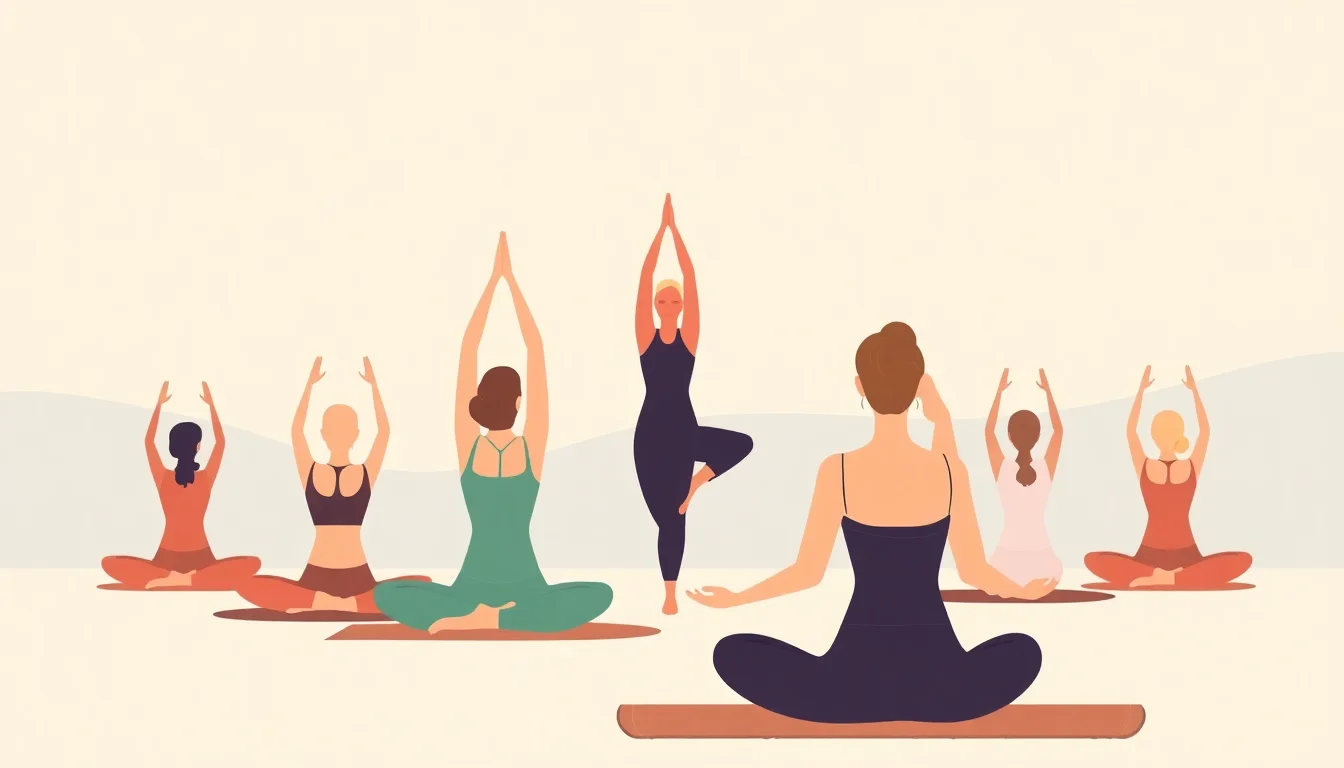
The Global Yoga Community isn't a single monolithic entity, but rather a sprawling, interconnected network of practitioners, teachers, studios, retreats, and online platforms dedicated to the practice and philosophy of yoga. It encompasses everything from ancient Vedic Yoga originating in India to modern, Westernized fitness-focused styles. At its heart, it's a shared pursuit of physical, mental, and spiritual well-being, fostering a sense of connection and belonging across diverse cultures and backgrounds. Whether you're a seasoned yogi or just curious about your first downward-facing dog, there's a place for you within this vibrant ecosystem.
🌍 Where to Find It (Online & Offline)
Finding your niche within the global yoga scene is easier than ever, thanks to both physical and digital spaces. Major urban centers worldwide boast numerous Yoga Studios offering daily classes, from bustling studios in New York City to serene ashrams in Rishikesh. Online, platforms like Glo Yoga, Yoga with Adriene, and Alo Moves provide an endless stream of live and on-demand classes accessible from anywhere. Don't overlook Yoga Festivals and Wellness Retreats as concentrated hubs for experiencing diverse teachers and communities in immersive settings.
💰 Pricing & Value Proposition
The cost of engaging with the global yoga community varies wildly, reflecting the diverse offerings. Drop-in classes at local studios might range from $15-$30 USD, while monthly unlimited memberships can be $100-$200+. Online subscriptions offer more budget-friendly options, typically $10-$30 per month, providing access to vast libraries of content. Yoga Teacher Training represent a significant investment, often costing several thousand dollars. However, many communities offer sliding scales, donation-based classes, and free introductory sessions, ensuring accessibility for various financial situations.
⭐ What People Say: Vibe Scores & Testimonials
The Vibe Score for the Global Yoga Community hovers around a healthy 78/100, indicating strong positive energy and widespread appeal, though with notable areas of tension. Practitioners often praise the profound physical benefits, stress reduction, and sense of community found in their local or online yoga groups. Testimonials frequently highlight transformative experiences, improved mental clarity, and a deeper connection to self. However, criticisms sometimes arise regarding the commercialization of yoga, cultural appropriation concerns, and the accessibility of high-quality instruction for all.
⚖️ Yoga's Many Faces: Styles & Traditions
Yoga is not a one-size-fits-all practice. The global community embraces a spectrum of styles, each with its own emphasis and lineage. Hatha Yoga is often considered the foundational physical practice, while Vinyasa Yoga emphasizes flowing movement synchronized with breath. Ashtanga Yoga offers a more rigorous, set sequence, and Bikram Yoga (and its successor, Hot Yoga) is practiced in a heated room. Beyond the physical, traditions like Jnana Yoga focus on wisdom, Bhakti Yoga on devotion, and Karma Yoga on selfless service, demonstrating yoga's expansive philosophical reach.
📈 Trends & The Future of Yoga
The global yoga community is in a constant state of evolution. We're seeing a growing emphasis on inclusivity, with more adaptive yoga programs for diverse bodies and abilities, and a greater awareness of yoga's roots in South Asian Yoga. The digital realm continues to expand its influence, blurring the lines between physical and virtual practice spaces. Expect to see more integration with other wellness modalities, such as mindfulness, meditation, and somatic practices, as well as ongoing debates about ethical teaching and cultural appreciation versus appropriation.
🤝 Getting Involved: Events & Platforms
Getting involved is straightforward. Many Yoga Studios offer introductory packages for new students. Online platforms often have free trial periods, allowing you to sample various teachers and styles. Look for local Yoga Workshops or Yoga Festivals for concentrated learning and community connection. Engaging with online forums, social media groups dedicated to yoga, and following influential teachers can also provide a sense of belonging and introduce you to new resources and events. Consider attending a Yoga Retreat for a deeper immersion.
Key Facts
- Year
- 2023
- Origin
- India
- Category
- Wellness & Spirituality
- Type
- Community
Frequently Asked Questions
Is yoga only for flexible people?
Absolutely not. Yoga is for every body, regardless of flexibility. Many poses can be modified to suit different physical abilities, and the practice itself is designed to gradually increase flexibility and strength over time. The focus is on personal progress and mindful movement, not on achieving a specific aesthetic.
What's the difference between yoga and just stretching?
While yoga incorporates stretching, it's a much broader discipline. Yoga integrates physical postures (asanas) with breath control (pranayama), meditation, and philosophical principles. It aims for a holistic mind-body connection, promoting mental clarity and spiritual awareness, whereas stretching is primarily focused on physical muscle elongation.
How do I choose the right yoga style for me?
Consider your goals. If you seek a vigorous workout, Vinyasa or Ashtanga might be suitable. For relaxation and stress relief, Hatha or Restorative yoga could be better. If you enjoy heat, Hot Yoga is an option. Many studios offer introductory classes or workshops that allow you to sample different styles before committing.
What are the ethical considerations in the global yoga community?
Key ethical discussions revolve around cultural appropriation, ensuring yoga's origins and philosophies are respected, particularly by Western practitioners. Fair compensation for teachers, inclusivity for all body types and abilities, and avoiding the over-commercialization of a spiritual practice are also significant concerns within the community.
Can I practice yoga without a teacher or studio?
Yes, you can. With the abundance of online resources, books, and apps, it's possible to develop a personal practice. However, for beginners, guidance from a qualified teacher is highly recommended to ensure proper alignment, prevent injuries, and gain a deeper understanding of the practice's nuances. As you progress, a self-guided practice can become more robust.
What is the role of breath in yoga?
Breath, or pranayama, is fundamental to yoga. It's considered the life force that connects the mind and body. Conscious breathing helps to deepen poses, calm the nervous system, focus the mind, and facilitate the meditative aspects of the practice. Specific breathing techniques are taught to achieve different physiological and mental effects.