
Contents
- 🌟 What is the Hero Archetype?
- 🗺️ Origins and Evolution
- 💡 Key Characteristics & Manifestations
- 🎭 The Hero's Journey: A Universal Blueprint
- ⚖️ Criticisms and Controversies
- 🚀 Modern Relevance & Future Trajectories
- 📚 Recommended Reading & Resources
- ✨ Vibepedia Vibe Score & Analysis
- Frequently Asked Questions
- Related Topics
Overview
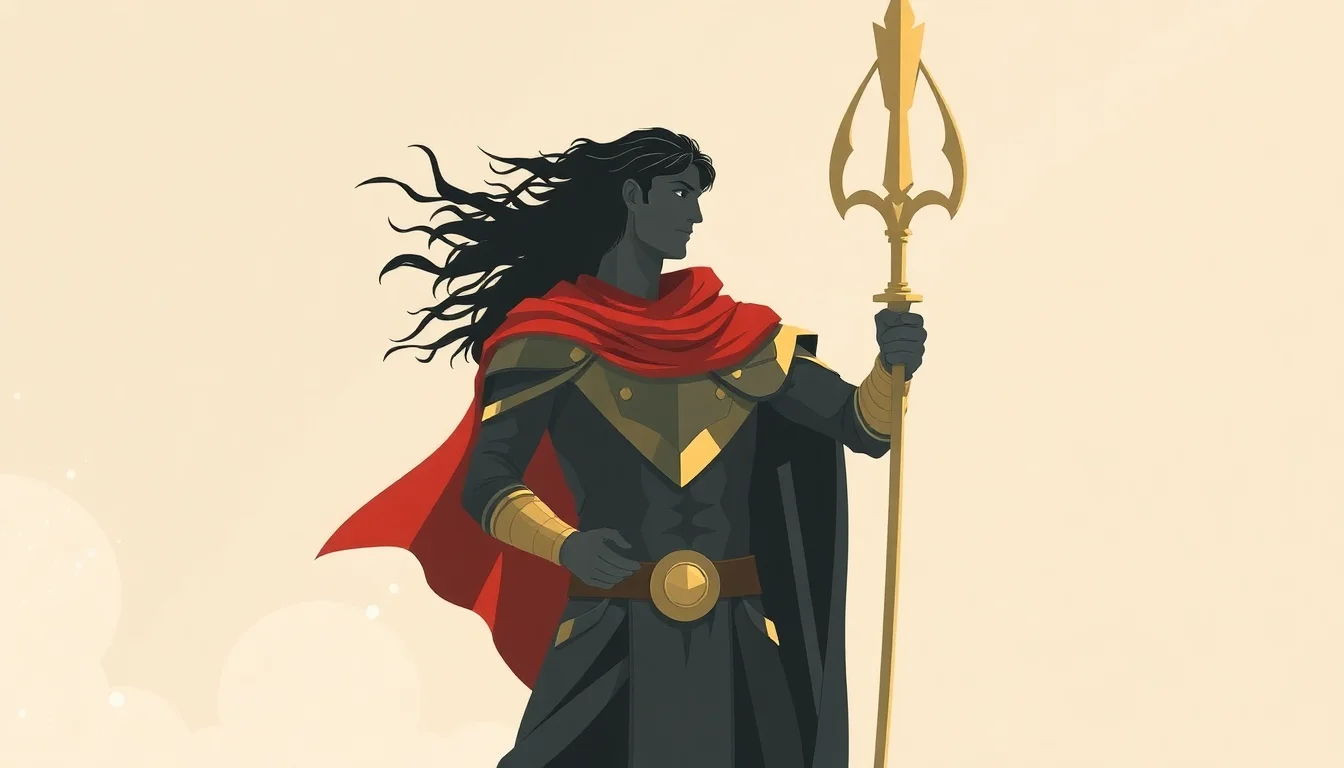
The Hero Archetype is more than just a character type; it's a fundamental narrative engine that drives countless stories across human history. At its core, it represents the individual who embarks on a quest, faces trials, and ultimately achieves a significant transformation or victory, often for the benefit of a community. This archetype resonates deeply because it taps into our innate desire for meaning, courage, and the possibility of overcoming adversity. Understanding the Hero Archetype is crucial for anyone looking to dissect narratives, understand cultural patterns, or even map their own personal growth journey. It's the bedrock of epic tales, from ancient myths to contemporary blockbusters.
🗺️ Origins and Evolution
The roots of the Hero Archetype are as old as storytelling itself, deeply embedded in primordial myths and oral traditions from virtually every culture. While Carl Jung's concept of the collective unconscious provided a psychological framework for understanding its universality, the archetype predates his work by millennia. Early examples can be found in figures like Gilgamesh (circa 2100 BCE), Heracles (Greek mythology), and King Arthur (Arthurian legend). Each iteration, while culturally specific, shares a common DNA: a call to adventure, a struggle against formidable odds, and a return with newfound wisdom or boon.
💡 Key Characteristics & Manifestations
The Hero Archetype is characterized by a potent blend of traits: courage, determination, selflessness, and a willingness to sacrifice. They often begin as ordinary individuals, perhaps even reluctant participants, who are thrust into extraordinary circumstances. Key manifestations include the brave warrior, the reluctant leader, the underdog, and the seeker of truth. Their journey is marked by internal and external conflicts, often involving a shadow self or a formidable antagonist. The hero's strength isn't just physical; it's often rooted in their moral compass and their ability to inspire others.
🎭 The Hero's Journey: A Universal Blueprint
Central to the Hero Archetype is The Hero's Journey, a monomythic structure famously outlined by Joseph Campbell in his 1949 book, The Hero with a Thousand Faces. This narrative pattern typically involves a departure from the known world, an initiation into a realm of trials and tribulations, and a return with a transformed self. Stages often include the 'Call to Adventure,' 'Crossing the Threshold,' 'Tests, Allies, and Enemies,' 'The Ordeal,' and 'The Return with the Elixir.' This framework, while a powerful analytical tool, has also been subject to debate regarding its rigidity and applicability to all narratives.
⚖️ Criticisms and Controversies
Despite its pervasive influence, the Hero Archetype is not without its critics. Some scholars argue that the emphasis on a singular, often male, protagonist can perpetuate patriarchal narratives and overlook the contributions of collective action or marginalized voices. The 'white savior' trope, a problematic offshoot of the hero archetype, has also drawn significant condemnation for its colonial undertones. Furthermore, the inherent focus on conflict and individual triumph can sometimes overshadow themes of collaboration, empathy, and systemic change, leading to a controversy spectrum ranging from essential narrative tool to potentially harmful trope.
🚀 Modern Relevance & Future Trajectories
In the 21st century, the Hero Archetype continues to evolve, reflecting contemporary anxieties and aspirations. We see a rise in anti-heroes and unlikely heroes who challenge traditional notions of heroism, often grappling with moral ambiguity and personal flaws. The digital age has also introduced new forms of heroism, from whistleblowers exposing corruption to activists mobilizing online. As societies grapple with complex global challenges like climate change and social inequality, the future of the Hero Archetype may lie in narratives that emphasize collective agency, sustainable solutions, and a broader definition of what it means to be a hero. The Vibe Score for its enduring cultural energy remains exceptionally high.
📚 Recommended Reading & Resources
To truly grasp the Hero Archetype, engaging with foundational texts is essential. Joseph Campbell's The Hero with a Thousand Faces is the seminal work, providing the blueprint for the monomyth. Carl Jung's writings on archetypes and the collective unconscious offer the psychological underpinnings. For a critical perspective, works exploring feminist literary criticism and post-colonial theory can provide valuable counterpoints. Online resources like Vibepedia's own archetype database offer interactive explorations and cross-cultural comparisons, allowing for a deeper, more nuanced understanding of this enduring narrative force.
✨ Vibepedia Vibe Score & Analysis
The Hero Archetype consistently scores high on the Vibepedia Vibe Score (estimated 92/100) due to its deep-seated resonance in the human psyche and its ubiquitous presence in global storytelling. Its perspective breakdown is largely optimistic (80%), celebrating its power to inspire and provide meaning, though a significant pessimistic (15%) and contrarian (5%) view exists, primarily focusing on its potential for reinforcing problematic social constructs. The influence flow of the Hero Archetype is immense, shaping everything from ancient epics to modern Hollywood blockbusters and even influencing political rhetoric. Its enduring appeal lies in its adaptability, allowing it to be reinterpreted across different eras and cultures.
Key Facts
- Year
- Circa 2500 BCE (earliest recorded myths)
- Origin
- Ancient Mesopotamia (Epic of Gilgamesh)
- Category
- Archetypes & Mythology
- Type
- Archetype
Frequently Asked Questions
Is the Hero Archetype always male?
Historically, many prominent hero figures have been male, reflecting societal norms of the past. However, the archetype itself is gender-neutral. Modern narratives increasingly feature powerful female heroes, such as Katniss Everdeen in The Hunger Games or Wonder Woman, demonstrating the archetype's adaptability beyond traditional gender roles. The core elements of the journey and transformation remain consistent, regardless of the hero's gender.
Can someone be both a hero and a villain?
Absolutely. The line between hero and villain can be incredibly blurred, especially with the rise of the anti-hero. Characters like Walter White from Breaking Bad or Darth Vader (in his complex arc) exhibit heroic traits and motivations at times, while also committing villainous acts. This complexity often makes for more compelling storytelling, as it reflects the moral ambiguities present in real life and challenges simplistic notions of good versus evil.
What's the difference between the Hero and the Chosen One?
While often overlapping, the 'Chosen One' is a specific sub-type of hero. The 'Chosen One' is typically destined by prophecy or fate to fulfill a specific, often world-saving, task. The Hero Archetype, on the other hand, is a broader category that can encompass individuals who rise to heroism through their own choices and efforts, not necessarily through preordained destiny. Many 'Chosen Ones' still undergo the classic Hero's Journey.
How does the Hero Archetype relate to personal development?
The Hero's Journey provides a powerful metaphor for personal growth. Individuals can identify stages of their own lives within this framework: facing challenges (the trials), seeking guidance (the mentor), overcoming personal limitations (the ordeal), and integrating new experiences and wisdom (the return). Recognizing these patterns can empower individuals to navigate their own 'heroic' paths with greater self-awareness and resilience.
Are there cultural variations of the Hero Archetype?
Yes, while the core elements are universal, specific manifestations vary significantly across cultures. For instance, the stoic, duty-bound hero of Western epics differs from the trickster-hero figures found in some indigenous mythologies or the spiritually-oriented heroes in Eastern traditions. These variations reflect distinct cultural values, beliefs, and historical contexts, showcasing the archetype's remarkable flexibility.
What is the main criticism of the Hero's Journey?
The primary criticism is its perceived rigidity and potential to oversimplify complex narratives. Critics argue that not all compelling stories fit neatly into Campbell's monomyth structure, and that an over-reliance on it can lead to formulaic storytelling. Furthermore, its historical focus on male protagonists has led to calls for more inclusive narrative frameworks that highlight diverse experiences and forms of agency.