
Contents
- 🎶 What is Jamaican Music History?
- 📍 Origins: The Mento Roots
- 📻 The Birth of Ska and Rocksteady
- 🥁 The Reggae Revolution
- 🎤 Dancehall's Evolution and Global Reach
- 🌟 Key Figures and Their Impact
- 🌍 Jamaican Music's Global Footprint
- 🤔 Debates and Controversies
- 💡 Vibepedia Vibe Score & Perspective
- 🚀 The Future of Jamaican Sound
- 📚 Further Exploration & Resources
- 🔗 Get Started: Experiencing the Vibe
- Frequently Asked Questions
- Related Topics
Overview
Jamaican music history is a vibrant, dynamic narrative tracing the island's sonic evolution from its folk roots to its status as a global cultural powerhouse. This isn't just about genres; it's about the social, political, and economic forces that shaped the sound, from the post-colonial era to the digital age. Understanding this history means grasping the ingenuity of Jamaican artists and producers who consistently innovated, creating sounds that have influenced virtually every corner of popular music worldwide. It's a story of resilience, creativity, and the undeniable power of rhythm and melody to transcend borders and connect people. For anyone interested in the DNA of modern music, this is essential listening and learning.
📍 Origins: The Mento Roots
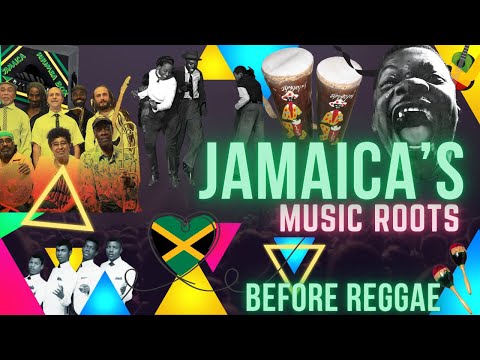
Before the global explosion, Jamaican music was deeply rooted in Mento, the island's indigenous folk music. Emerging in the late 19th and early 20th centuries, Mento blended African rhythmic traditions with European folk melodies, often featuring acoustic instruments like guitar, banjo, and rhumba box. Think of artists like The Jolly Boys whose performances captured the spirit of rural Jamaica, offering social commentary and storytelling through catchy tunes. While not as internationally recognized as later genres, Mento laid crucial groundwork, establishing a melodic and lyrical sensibility that would be reinterpreted and amplified in subsequent decades. Its influence is subtle but undeniable, a foundational layer in the island's rich musical heritage.
📻 The Birth of Ska and Rocksteady
The late 1950s and early 1960s saw the seismic shift from Mento to Ska, a faster, more energetic sound born from the fusion of Mento, R&B, and jazz. This era coincided with Jamaica's move towards independence, and Ska became the soundtrack to a nation finding its voice. Pioneers like The Skatalites defined the genre with their horn-driven arrangements and infectious rhythms. As tempos slowed and the music became more laid-back, Rocksteady emerged in the mid-1960s, characterized by its soulful harmonies and prominent basslines. Artists like Alton Ellis and The Paragons brought a smoother, more romantic feel, bridging the gap to the genre that would soon dominate the global stage.
🥁 The Reggae Revolution
The late 1960s marked the birth of Reggae, a genre that would become synonymous with Jamaica and its cultural identity. Building on the foundations of Rocksteady, Reggae introduced the signature 'one drop' rhythm and a heavier bass presence, often infused with Rastafarian spirituality and social consciousness. Bob Marley & The Wailers became the genre's most iconic ambassadors, their music spreading messages of peace, love, and resistance to an international audience. Beyond Marley, artists like Peter Tosh, Burning Spear, and Toots and the Maytals further cemented Reggae's status, each bringing their unique lyrical depth and sonic innovation to the forefront, creating a rich and diverse musical legacy.
🎤 Dancehall's Evolution and Global Reach
From the late 1970s onward, Dancehall music emerged as a more raw, rhythm-focused evolution of Reggae, often characterized by its digital production and deejay-centric vocal delivery. Initially a more stripped-down sound played at sound system clashes, Dancehall rapidly evolved, incorporating elements of hip-hop and electronic music. Artists like Yellowman and Shabba Ranks rose to international fame in the 1980s and early 90s, showcasing the genre's lyrical dexterity and vibrant energy. Today, Dancehall continues to be a dominant force, with artists like Vybz Kartel and Spice pushing boundaries and influencing global pop music, demonstrating its enduring adaptability and appeal.
🌟 Key Figures and Their Impact
The history of Jamaican music is inseparable from its legendary figures. Clement "Pops" Coxsone Dodd, founder of Studio One, was a pivotal producer who nurtured generations of talent, shaping the sound of Ska, Rocksteady, and early Reggae. Lee "Scratch" Perry, a maverick producer and innovator, pioneered Dub music, manipulating Reggae tracks with echo and reverb to create entirely new sonic landscapes. On the performance side, Bob Marley transcended music to become a global icon, his message and melodies resonating across cultures. These individuals, among many others, didn't just create music; they built an industry and a cultural movement that continues to inspire.
🌍 Jamaican Music's Global Footprint
The influence of Jamaican music on the global stage is immeasurable. Ska directly inspired the 2 Tone ska revival in the UK, while Reggae's rhythms and ethos permeated genres from punk and rock to hip-hop and electronic dance music. The distinctive vocal styles of deejays and toasters found echoes in rap and spoken word. Furthermore, the concept of the Sound System and the art of the DJ have had a profound impact on global club culture and music production. From the bass-heavy grooves of dubstep to the melodic flows of contemporary pop, the fingerprints of Jamaican innovation are everywhere, a testament to its enduring creative power.
🤔 Debates and Controversies
One of the most persistent debates revolves around the commercialization of Reggae and Dancehall. Critics argue that mainstream success has diluted the genre's original social and spiritual messages, particularly concerning the lyrical content in some Dancehall tracks. Conversely, proponents highlight how global reach allows these genres to reach wider audiences, fostering cultural exchange and economic opportunities for artists. Another point of contention is the ongoing influence of producers versus artists, with debates about who truly controls the direction and sound of Jamaican music. The role of digital production in Dancehall, while celebrated for its innovation, also sparks discussions about the loss of organic instrumentation.
💡 Vibepedia Vibe Score & Perspective
Vibepedia Vibe Score: 92/100. This score reflects the immense cultural energy, global impact, and continuous innovation inherent in Jamaican music history. Perspective Breakdown: Optimistic: Jamaican music's adaptability ensures its continued relevance and global influence, with new generations of artists pushing sonic boundaries. Neutral: The genre's evolution is a natural response to technological advancements and changing social landscapes, with both positive and negative outcomes. Pessimistic: The increasing commercialization and dilution of core messages could lead to a loss of authentic Jamaican identity in global music markets. Contrarian: While celebrated, the focus on a few iconic figures like Bob Marley overshadows the contributions of countless other vital artists and producers who shaped the sound.
🚀 The Future of Jamaican Sound
The future of Jamaican music appears as dynamic as its past. While Reggae continues to hold its ground, Dancehall is poised for further global integration, with artists increasingly collaborating with international pop and hip-hop stars. The rise of Afrobeats has also created new avenues for cross-pollination, suggesting a future where genre boundaries become even more fluid. Producers are experimenting with new digital tools and global sounds, ensuring that the innovative spirit of Jamaica remains at the forefront of musical evolution. The challenge will be to maintain authenticity while embracing new influences, a balancing act that Jamaican artists have historically navigated with remarkable success.
📚 Further Exploration & Resources
To truly grasp Jamaican music history, direct engagement is key. Explore the extensive discographies of artists like Bob Marley, Gregory Isaacs, and Sizzla. Immerse yourself in the foundational sounds of Studio One and Treasure Isle compilations. Watch documentaries like 'Rockers' (1978) and 'The Harder They Come' (1972) for visual context. Reading books such as 'Bass Culture: When Reggae Was King' by Lloyd Bradley offers deep dives into the genre's golden era. Visiting Jamaica and experiencing the local sound system culture firsthand provides an unparalleled understanding of its living legacy.
🔗 Get Started: Experiencing the Vibe
Ready to dive into the heart of Jamaican sound? Start by creating a playlist featuring essential tracks from each era: Mento classics, Ska anthems, Rocksteady grooves, Reggae masterpieces, and Dancehall bangers. Explore the Vibepedia knowledge graph to trace the influence flows between artists and genres. Consider attending local Reggae or Dancehall nights if available in your city, or seek out online communities dedicated to Jamaican music. For a deeper understanding, subscribe to Vibepedia's newsletter for curated explorations of global music scenes and their interconnectedness. The journey into Jamaican music history is an ongoing exploration, so keep listening, keep learning, and keep feeling the vibe.
Key Facts
- Year
- Early 20th Century - Present
- Origin
- Jamaica
- Category
- Music History
- Type
- Topic
Frequently Asked Questions
What is the difference between Ska, Rocksteady, and Reggae?
Ska is the fastest, characterized by its upbeat tempo and horn sections, emerging in the early 60s. Rocksteady, appearing mid-60s, slowed things down with a more prominent bassline and soulful vocals. Reggae, from the late 60s, is known for its signature 'one drop' rhythm, heavier bass, and often spiritual or social lyrical themes. Think of it as a tempo and rhythmic evolution, each building on the last.
Who is considered the 'King of Reggae'?
While many artists contributed significantly, Bob Marley is universally recognized as the 'King of Reggae' due to his global impact, iconic status, and the widespread influence of his music and message. His band, The Wailers, also played a crucial role in popularizing the genre worldwide.
What is Dub music and how did it originate?
Dub music emerged in the late 1960s and early 1970s from Reggae remixes, pioneered by producers like King Tubby and Lee "Scratch" Perry. It involves stripping down Reggae tracks, emphasizing the bass and drums, and adding heavy effects like echo, reverb, and phasing. Dub created a new sonic space, influencing electronic music genres globally.
How did Jamaican music influence Hip Hop?
The influence is profound, particularly through Sound System culture and the art of the DJ. Jamaican deejays (MCs) who would 'toast' (talk or chant) over instrumental tracks laid the groundwork for rapping. The sampling techniques and bass-heavy production of Reggae and Dub also significantly impacted early Hip Hop producers.
What is the role of the Sound System in Jamaican music?
Sound Systems are mobile DJ setups that were central to the development and dissemination of Jamaican music, especially Dancehall. They feature powerful speakers and turntables, with DJs and MCs playing records and hyping up the crowd, often engaging in 'clashes' (competitions). This culture fostered innovation in music production and performance, directly influencing global DJ culture.
Is Dancehall still popular today?
Absolutely. Dancehall remains a dominant force in Jamaican music and has a massive global following. Contemporary artists continue to innovate, blending its distinctive rhythms and vocal styles with international trends in pop, hip-hop, and electronic music, ensuring its continued relevance and evolution.