
Contents
Overview
A Koyasan tour guide is an essential navigator for visitors to Mount Koya (Kōyasan), a UNESCO World Heritage site renowned as the spiritual center of Shingon Buddhism in Japan. These guides, often monks or deeply knowledgeable locals, lead pilgrims and tourists through the ancient temple complex, explaining the intricate history, religious practices, and profound spiritual significance of this sacred mountain. They illuminate the stories behind iconic landmarks like the Okunoin Cemetery, the mausoleum of Kūkai (Kōbō Daishi), and the Kongōbu-ji Temple, the head temple of Shingon Buddhism. A good guide transforms a visit from a simple sightseeing trip into an immersive journey, offering insights into monastic life, Buddhist philosophy, and the unique atmosphere of this mountain sanctuary. Their expertise ensures visitors can appreciate the cultural depth and serene beauty of Kōyasan, a place that continues to draw seekers of enlightenment and cultural enthusiasts alike.
🎵 Origins & History
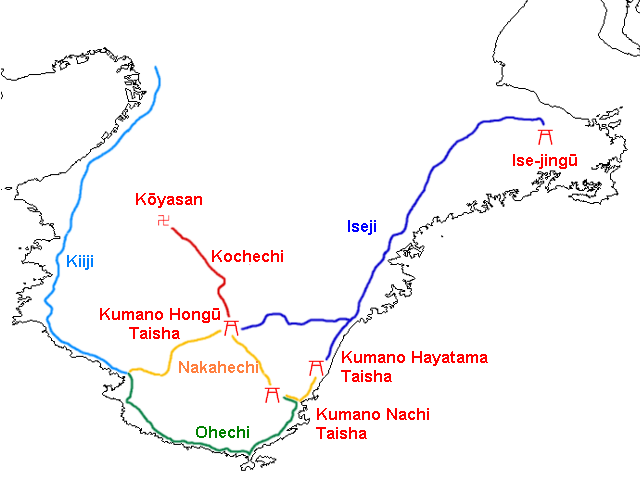
The concept of a "Koyasan tour guide" is deeply intertwined with the history of Mount Koya itself. From its inception, Kōyasan served as a central monastery for the Shingon sect of Japanese Buddhism, attracting pilgrims seeking spiritual guidance and enlightenment. Early visitors, often undertaking arduous journeys along the Kumano Kodo pilgrimage routes, would have relied on experienced monks or local devotees to navigate the treacherous mountain paths and understand the complex rituals. The tradition of guided tours solidified as Kōyasan grew in prominence, with temple residents and trained laypeople acting as interpreters of its sacred sites and monastic life. This practice became particularly formalized with Kōyasan's designation as part of the UNESCO World Heritage Site "Sacred Sites and Pilgrimage Routes in the Kii Mountain Range," which spurred increased international interest and the need for professionalized guiding services.
⚙️ How It Works
A Koyasan tour guide operates by providing curated experiences that go beyond mere sightseeing. Typically, guides lead small groups or individuals through the sprawling temple complex, which includes over 100 temples and the significant Okunoin Cemetery. They explain the historical context of each location, such as the founding of Kongōbu-ji Temple by Kūkai and its subsequent development as the sect's headquarters. Guides often incorporate elements of Shingon Buddhist philosophy, explaining concepts like 'Shōgon-jissō' (true form of phenomena) and the significance of mandalas. Many tours include visits to Shukubo (temple lodgings), where guides can explain the rules and etiquette of monastic living, including vegetarian shojin ryori cuisine and morning prayers. The tours are designed to foster a deeper understanding and appreciation of the spiritual atmosphere, often incorporating storytelling and personal anecdotes to bring the history and beliefs to life.
📊 Key Facts & Numbers
Guided tours can range from 2-hour introductory walks covering key temples to full-day explorations including Shukubo stays.
👥 Key People & Organizations
Key figures in the development of Koyasan guiding include Kūkai (Kōbō Daishi), the founder of Shingon Buddhism and Kōyasan itself, whose legacy forms the bedrock of all tours. Modern guides often draw upon the teachings of subsequent abbots and influential monks who have shaped the sect over its long history. Organizations like the Koyasan Tourism Association play a crucial role in training, certifying, and promoting guides, ensuring a consistent standard of knowledge and service. Individual guides, often monks from temples like Kongōbu-ji Temple or Okunoin Temple, are instrumental in delivering authentic experiences. Furthermore, international tour operators and local travel agencies, such as JTB, often partner with Kōyasan guides to offer specialized packages to global tourists.
🌍 Cultural Impact & Influence
The influence of Koyasan tour guides extends beyond mere information dissemination; they are cultural ambassadors shaping perceptions of Japanese Buddhism and spirituality. By interpreting the complex doctrines and rituals of Shingon Buddhism, guides help demystify a religion that can appear esoteric to outsiders. Their narratives about Kūkai's life and enlightenment, the significance of the Okunoin Cemetery, and the daily life within Shukubo contribute to a global understanding of monastic traditions. This cultural exchange fosters greater respect for religious heritage and encourages mindful tourism. The guides' role in highlighting Kōyasan's status as a UNESCO World Heritage Site also bolsters its international profile, attracting visitors who might otherwise overlook this spiritual haven.
⚡ Current State & Latest Developments
In the current landscape of 2024-2025, Koyasan tour guides are increasingly adapting to evolving tourist demands and technological advancements. There's a growing trend towards personalized and niche tours, catering to interests in meditation, shojin ryori cooking, or specific historical periods. Many guides are now incorporating digital tools, offering virtual tours or using augmented reality apps to enhance on-site explanations, particularly for international visitors who may not speak Japanese. The Koyasan Tourism Association continues to refine its guide training programs, emphasizing multilingual capabilities and deeper dives into Buddhist philosophy. Post-pandemic, there's also a noticeable increase in domestic tourism seeking spiritual retreats, further solidifying the demand for knowledgeable guides who can offer solace and insight.
🤔 Controversies & Debates
One of the ongoing debates surrounding Koyasan tour guides centers on the balance between commercialization and preserving the sacred atmosphere. Critics sometimes argue that overly enthusiastic guiding, particularly in sensitive areas like the Okunoin Cemetery, can detract from the contemplative experience. There's also a discussion about the authenticity of guides: while many are monks, a growing number are lay professionals. This raises questions about the depth of spiritual insight offered by non-monastic guides, though proponents argue their training and passion for history provide a different, equally valuable perspective. Ensuring accessibility for visitors with disabilities on the mountain's steep terrain also presents a challenge that guides and the Koyasan Tourism Association are actively addressing.
🔮 Future Outlook & Predictions
The future outlook for Koyasan tour guides appears robust, driven by sustained global interest in spiritual tourism and cultural heritage. As Kōyasan's status as a UNESCO World Heritage Site continues to draw visitors, the demand for expert guidance is likely to increase. We can anticipate further integration of technology, with AI-powered translation tools and interactive digital guides becoming more common. There's also potential for specialized tours focusing on Shingon Buddhist art, calligraphy, or even introductory Zen meditation sessions led by qualified guides. The challenge will be to maintain the authenticity and spiritual integrity of the experience while adapting to these modern trends, ensuring Kōyasan remains a sanctuary rather than just a tourist attraction.
💡 Practical Applications
Koyasan tour guides offer practical applications that enhance the visitor experience significantly. For tourists, they provide essential navigation through the vast temple complex, saving time and preventing missed highlights. They offer cultural interpretation, explaining the nuances of Buddhist rituals, etiquette for visiting temples and Shukubo, and the historical significance of sites like the Okunoin Cemetery. For those interested in deeper spiritual engagement, guides can facilitate introductions to monks, arrange participation in morning prayers, and explain the principles of shojin ryori cuisine. They also serve as cultural bridges, helping visitors understand the unique bl
Key Facts
- Category
- culture
- Type
- topic