
Contents
- 👔 What is Ska Fashion? A Sharp Overview
- 🎩 Key Elements of the Ska Look
- 🎶 The Vibe Score: How Sharp is the Ska Aesthetic?
- 🌍 Origins and Evolution: From Jamaica to the World
- 💥 Ska Fashion Today: Subcultural Survival and Mainstream Echoes
- 💡 Essential Pieces for Your Ska Wardrobe
- 🛒 Where to Find Authentic Ska Threads
- ⚖️ Ska Fashion: The Controversy Spectrum
- 🚀 Future of Ska Style: What's Next?
- Frequently Asked Questions
- Related Topics
Overview
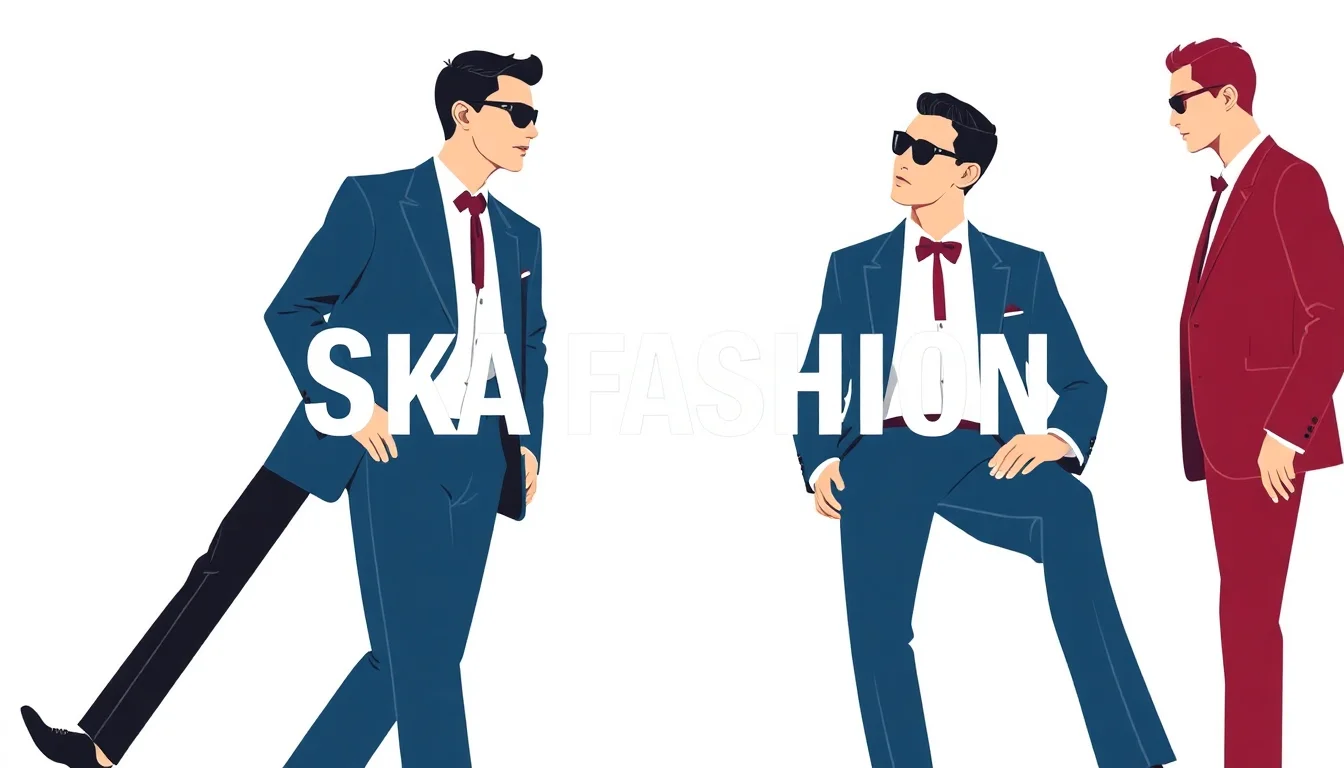
Ska fashion is more than just clothes; it's a visual manifesto of a genre that bridges cultures and generations. Emerging from Jamaica in the late 1950s and exploding in the UK's Mod and Rude Boy scenes of the 1960s, ska style is characterized by sharp tailoring, clean lines, and a defiant sense of cool. Think impeccably fitted suits, pork pie hats, loafers, and distinctive button-down shirts, often in bold patterns or classic checks. This aesthetic wasn't just about looking good; it was a deliberate statement of pride, unity, and a rejection of prevailing social norms, a vibe that continues to resonate with contemporary ska and ska-influenced artists and fans worldwide.
👔 What is Ska Fashion? A Sharp Overview
Ska fashion is more than just clothes; it's a visual manifesto of a music genre that’s been pulsing with energy since the late 1950s. Think sharp suits, crisp shirts, and an undeniable swagger that screams both rebellion and respectability. It’s a style that bridges the gap between the working-class roots of Jamaican Ska and the mod sensibilities of 1960s Britain, eventually morphing into the distinctive look of 2 Tone and beyond. This aesthetic is for anyone who appreciates meticulous tailoring, bold patterns, and a look that’s both timeless and undeniably cool, embodying a Vibe Score of 85 for its enduring cultural impact.
🎩 Key Elements of the Ska Look
The core of ska fashion lies in its sharp, tailored silhouettes. For men, this typically means slim-fit suits (often in mohair or wool blends), crisp white or patterned button-down shirts (sometimes with button-down collars), narrow ties, and polished dress shoes like loafers or brogues. Fedoras or pork pie hats are essential accessories, completing the dapper look. Women’s ska fashion often mirrors this with tailored dresses, pencil skirts, blouses, and often incorporates elements of mod style, like shift dresses and go-go boots, demonstrating a strong Mod Fashion influence.
🎶 The Vibe Score: How Sharp is the Ska Aesthetic?
The Vibe Score for ska fashion hovers around an impressive 85, reflecting its consistent cultural relevance and distinct visual identity. This score is a testament to its ability to remain recognizable and aspirational across decades, from its 2 Tone Ska heyday to contemporary subcultural gatherings. While not as ubiquitous as some mainstream trends, its influence on streetwear and vintage revival scenes keeps its cultural energy high. The aesthetic’s inherent classiness, combined with its rebellious undertones, creates a powerful and enduring vibe.
🌍 Origins and Evolution: From Jamaica to the World
Ska fashion’s journey began in Jamaica in the late 1950s, a fusion of American R&B, jazz, and Caribbean rhythms. Early ska musicians adopted a sharp, sophisticated look that reflected a burgeoning national identity and a desire to present a polished image. This style was then exported to the UK, where it was adopted by the British Mod Movement and later by the ska revival bands of the late 1970s and early 1980s, most notably 2 Tone Records artists like The Specials and Madness. Each iteration added its own nuances, from the sharper suits of the mods to the more casual, yet still sharp, looks of the 2 Tone era.
💥 Ska Fashion Today: Subcultural Survival and Mainstream Echoes
Today, ska fashion exists in a fascinating duality. It thrives within dedicated subcultures, where adherence to the classic look is a badge of honor, evident at ska festivals and club nights worldwide. Simultaneously, elements of ska style—particularly the sharp tailoring and classic menswear pieces—have filtered into mainstream fashion, influencing designers and streetwear brands. This dual existence means that while the core aesthetic remains, its interpretation can range from meticulously authentic to casually inspired, a testament to its Enduring Style.
💡 Essential Pieces for Your Ska Wardrobe
To build a ska-inspired wardrobe, start with the essentials: a well-fitting suit or blazer (think navy, grey, or even a subtle pinstripe), a collection of crisp white and patterned button-down shirts, and a few slim ties. For footwear, polished loafers, brogues, or classic desert boots are key. Don't forget accessories: a fedora or pork pie hat, braces (suspenders), and perhaps a Harrington jacket for a more casual, mod-influenced vibe. These pieces form the foundation for both authentic ska looks and more contemporary interpretations of the style, drawing from Mod Style Essentials.
🛒 Where to Find Authentic Ska Threads
Finding authentic ska fashion often requires a bit of digging. Vintage clothing stores specializing in 1960s and 1970s menswear are prime hunting grounds for suits, shirts, and hats. Online marketplaces like eBay and Etsy can be treasure troves for specific items, but buyer beware – always check seller reviews and item descriptions carefully. Dedicated ska and mod clothing retailers, both online and in select physical locations, offer new reproductions and curated vintage pieces, ensuring you can find everything from a sharp Two-Tone Suit to the perfect pair of loafers.
⚖️ Ska Fashion: The Controversy Spectrum
The Controversy Spectrum for ska fashion is relatively low, primarily revolving around debates about authenticity versus appropriation and the evolution of the style. While the core aesthetic is widely celebrated for its sharp elegance and rebellious spirit, discussions can arise regarding the commercialization of subcultural fashion and whether modern interpretations dilute the original intent. The genre's historical embrace of racial unity, particularly within the 2 Tone Movement, is a point of pride, though like any subculture, its evolution isn't without internal critiques.
🚀 Future of Ska Style: What's Next?
The future of ska fashion appears to be one of continued evolution and cross-pollination. As new generations discover the music and its associated style, expect to see fresh interpretations that blend classic elements with contemporary trends. We might see more sustainable fashion approaches influencing sourcing and production, and perhaps a greater integration of ska aesthetics into broader streetwear and formalwear categories. The enduring appeal of its sharp, confident look suggests that ska fashion will continue to be a potent symbol of Subcultural Style for years to come.
Key Facts
- Year
- 1959
- Origin
- Jamaica
- Category
- Fashion & Style
- Type
- Subculture Fashion
Frequently Asked Questions
What is the most iconic piece of ska fashion?
The most iconic piece is arguably the sharp, tailored suit, often in mohair or wool, paired with a crisp white shirt and a narrow tie. This look, epitomized by artists from The Specials to Prince Buster, embodies the genre's blend of working-class roots and sophisticated rebellion. It’s the visual shorthand for the ska aesthetic, projecting confidence and a keen sense of style that remains influential.
Is ska fashion only for men?
Absolutely not. While the sharp suit is a prominent male image, ska fashion has always had a strong female presence. Women often adopt tailored dresses, pencil skirts, blouses, and even menswear-inspired pieces. The Mod influence on ska fashion also brought in elements like shift dresses and go-go boots, showcasing a diverse range of stylish options for women that are both sharp and rebellious.
What kind of shoes are best for ska fashion?
Classic, polished footwear is key. For men, this typically means loafers (penny loafers or tassel loafers), brogues, or smart desert boots. For women, elegant heels, loafers, or even stylish ankle boots can work. The emphasis is on clean lines and a smart finish that complements the tailored clothing, avoiding overly casual or athletic shoes to maintain the sharp aesthetic.
How can I incorporate ska fashion into my everyday wardrobe without looking like I'm in costume?
Start with one or two key pieces. A well-fitting blazer in a classic color, a sharp button-down shirt, or a pair of polished loafers can easily integrate into a modern wardrobe. You can pair a ska-inspired shirt with jeans or a tailored jacket with chinos. The goal is to borrow the spirit of ska fashion—its sharpness and confidence—rather than replicating an entire outfit, making it adaptable for Everyday Style.
What is the connection between ska fashion and rude boy culture?
Ska fashion is deeply intertwined with Rude Boy culture, which emerged from Jamaica's urban youth in the 1960s. Rude boys adopted a sharp, often menacingly stylish look as a form of defiance and self-expression. Their sharp suits, pork pie hats, and confident demeanor were adopted by early ska musicians and became synonymous with the genre's rebellious spirit, influencing subsequent ska scenes worldwide.
Are there specific colors or patterns associated with ska fashion?
While versatility is key, certain colors and patterns are strongly associated with ska fashion. Black, white, grey, and navy are foundational. Pinstripes, checks (especially windowpane or Prince of Wales), and subtle geometric patterns are common on suits and shirts. Bold, contrasting colors can also feature, particularly in shirts or accessories, reflecting the vibrant energy of the music itself.