
Contents
Overview
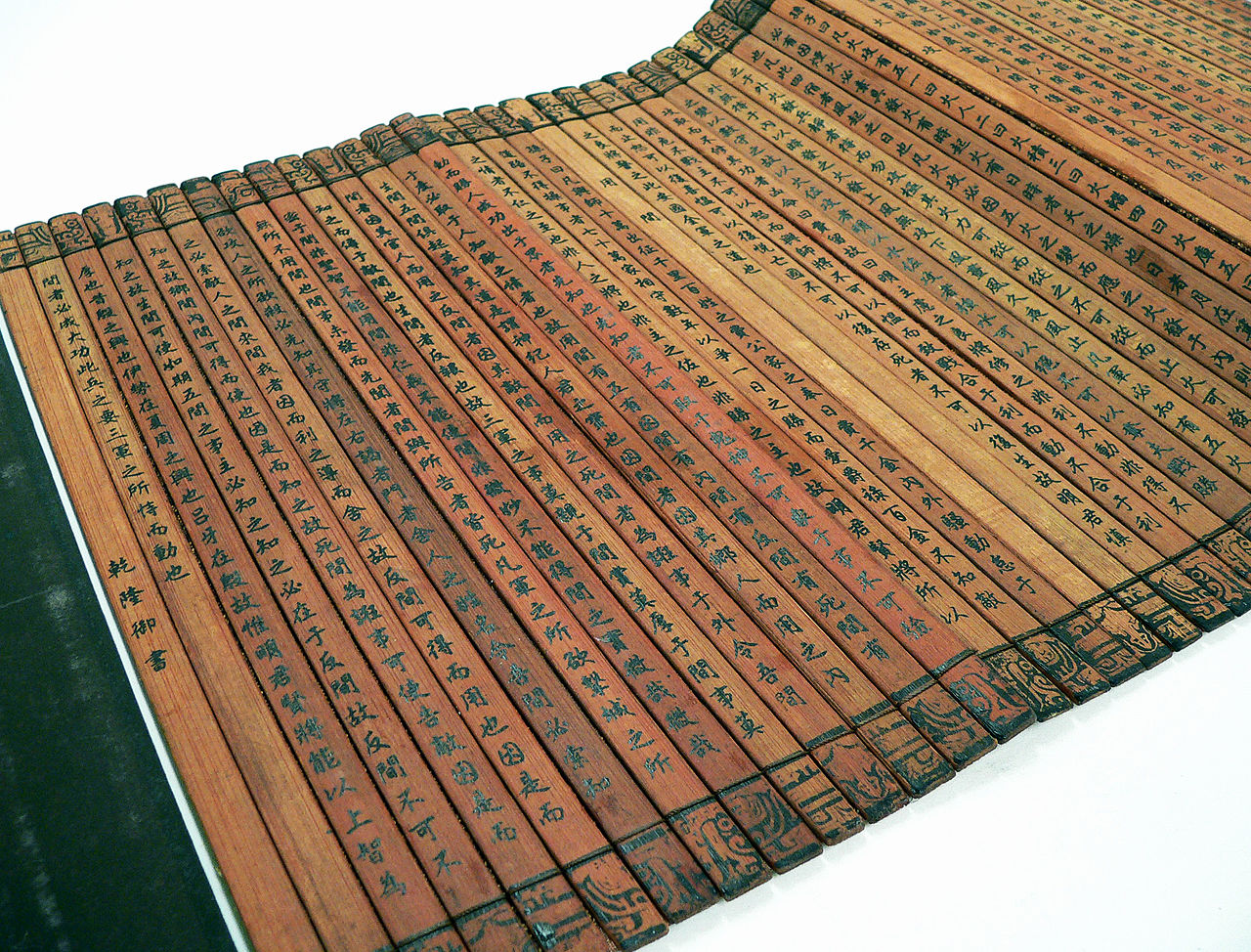
Attributed to the legendary strategist Sun Tzu, The Art of War is a foundational text on military strategy, penned around the 5th century BCE during China's tumultuous Spring and Autumn period. Far from a mere manual of battlefield tactics, this 13-chapter treatise delves into the philosophical underpinnings of conflict, emphasizing deception, intelligence, and psychological warfare. Its enduring relevance stems from its focus on achieving victory with minimal bloodshed, a principle that transcends its martial origins to inform modern business strategy and negotiation tactics. The text is structured around distinct, actionable principles, each offering a lens through which to analyze and approach conflict.
🎯 Who is This For?
This ancient text is essential reading for anyone involved in competitive environments, not just military commanders. leaders in corporate strategy, political science students, and even esports players can glean invaluable insights. If you're navigating complex negotiations, managing teams, or simply seeking to understand the dynamics of power and influence, Sun Tzu's principles offer a timeless framework. It’s particularly potent for those who believe in outthinking opponents rather than simply overpowering them, prioritizing preparation and foresight above brute force.
📚 Key Chapters & Concepts
The 13 chapters of The Art of War cover a vast spectrum of strategic thought. Key sections include 'Laying Plans' (assessing the situation before engaging), 'Waging War' (understanding the costs of conflict), 'Attack by Stratagem' (the importance of subduing the enemy without fighting), and 'Terrain' (adapting strategy to the environment). The chapter on 'The Use of Spies' highlights the critical role of intelligence gathering, a concept central to modern intelligence operations. Each chapter builds upon the last, creating a comprehensive doctrine for strategic thinking and execution.
💡 Sun Tzu's Enduring Wisdom
Sun Tzu's genius lies in his ability to distill complex strategic challenges into elegant, memorable aphorisms. His emphasis on knowing yourself and your enemy ('If you know the enemy and know yourself, you need not fear the result of a hundred battles') remains a cornerstone of strategic thinking. The principle of 'supreme excellence' – winning without fighting – is perhaps his most profound contribution, advocating for diplomacy and strategic positioning to achieve objectives. This philosophy encourages a proactive, rather than reactive, approach to conflict, valuing efficiency and minimal collateral damage.
🌍 Global Impact & Influence
The influence of The Art of War is staggering, shaping military doctrine across East Asia for centuries and formally recognized in China's Seven Military Classics by 1080. Its translation into Western languages in the early 20th century sparked a revolution in strategic thought, impacting military academies and business schools alike. Figures like Vo Nguyen Giap, the Vietnamese general, and even Steve Jobs have cited its principles as crucial to their success. Its ideas continue to propagate through geopolitical strategy and organizational management.
⚖️ Debates & Criticisms
Despite its widespread acclaim, The Art of War is not without its critics or points of contention. Some scholars debate the precise historical context and authorship, questioning whether 'Sun Tzu' was a single individual or a compilation of military wisdom. Others argue that its emphasis on deception and manipulation can be ethically problematic when applied outside of direct military conflict. Furthermore, the applicability of ancient battlefield tactics to modern, technologically advanced warfare is a persistent subject of debate, particularly concerning cyber warfare and asymmetric conflict.
🌟 Vibepedia Vibe Score
On the Vibepedia scale, The Art of War scores a robust 92/100 for its enduring cultural energy and systemic impact. Its Vibe Score reflects its consistent presence in strategic discussions across millennia and diverse fields. The Controversy Spectrum for this text hovers around a moderate 4/10, primarily due to scholarly debates on authorship and ethical application, rather than widespread rejection of its core tenets. Its Influence Flow is exceptionally high, radiating outwards from ancient China to virtually every corner of modern strategic thought.
🚀 Getting Started with Sun Tzu
To begin your journey with Sun Tzu, the most direct approach is to acquire a reputable translation of The Art of War. Look for editions with extensive annotations and historical context, such as the translations by Samuel B. Griffith or Lionel Giles. Consider pairing your reading with analyses of its application in modern contexts, such as business strategy case studies or discussions on leadership principles. Many online platforms and philosophy forums offer discussions and summaries to aid comprehension.
Key Facts
- Year
- -475
- Origin
- Ancient China
- Category
- Military Strategy & Philosophy
- Type
- Book
Frequently Asked Questions
Is The Art of War only relevant for military contexts?
Absolutely not. While its origins are military, the principles of strategy, deception, planning, and understanding opponents are universally applicable. Business leaders, athletes, and negotiators have successfully adapted Sun Tzu's teachings to their respective fields, demonstrating its broad utility beyond the battlefield.
What is the most important takeaway from The Art of War?
Many consider the most crucial takeaway to be the emphasis on achieving victory with minimal conflict, often summarized as 'supreme excellence is to subdue the enemy without fighting.' This highlights the value of strategic positioning, intelligence, and psychological advantage over brute force, promoting efficiency and preservation.
Who was Sun Tzu?
Sun Tzu is traditionally identified as an ancient Chinese general, strategist, and philosopher who is credited with authoring The Art of War. While his historical existence is debated by some scholars, his influence on military and strategic thought is undeniable, making him a pivotal figure in Chinese history.
How does The Art of War compare to other military texts?
Compared to texts that focus purely on tactics or logistics, The Art of War offers a more philosophical and psychological approach. It prioritizes understanding the 'why' and 'when' of conflict, emphasizing foresight and adaptability over rigid doctrine, setting it apart from more prescriptive military manuals.
Are there modern interpretations or applications of The Art of War?
Yes, numerous modern books and courses explore the application of Sun Tzu's principles in contemporary settings, from corporate strategy and marketing to personal development and conflict resolution. These interpretations often highlight themes of competitive advantage and strategic planning.
What is the significance of the 13 chapters?
Each of the 13 chapters addresses a distinct aspect of warfare and strategy, providing a comprehensive framework. They move from initial planning and assessment to execution, adaptation to terrain, and the crucial role of intelligence, offering a structured approach to understanding and winning conflicts.