
Contents
- 🎶 What is Thug Life Vol. 1?
- 🎤 The Architect: Tupac Shakur's Vision
- 💥 Sonic Landscape: Production & Sound
- 📈 Chart Performance & Critical Reception
- ⚖️ Legacy & Controversy
- 🌟 Track Highlights & Deep Cuts
- 💡 Influence Flow: Impact on Hip-Hop
- 🤔 Vibepedia Perspective Breakdown
- 🔍 Vibepedia Controversy Spectrum
- 🚀 Where to Experience Thug Life Vol. 1
- Frequently Asked Questions
- Related Topics
Overview
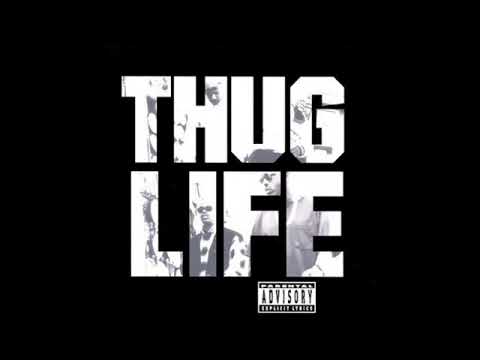
Thug Life Vol. 1, released in 1994, is more than just a compilation album; it's a foundational text in the narrative of 2Pac and the broader West Coast hip hop scene. Featuring members of Thug Life, the group Tupac founded, this album serves as a raw, unfiltered snapshot of street realities, ambition, and defiance. It’s essential listening for anyone trying to understand the cultural forces that shaped early to mid-90s hip-hop and the enduring mythos of Tupac. The album’s gritty production and unapologetic lyrical content cemented its place in the genre's history, offering a stark contrast to more polished mainstream offerings of the era.
🎤 The Architect: Tupac Shakur's Vision
The driving force behind Thug Life Vol. 1 was 2Pac himself, who envisioned the group as an extension of his own artistic and ideological platform. He curated the roster, influenced the lyrical themes, and aimed to create a sound that was both authentic to the streets and musically compelling. Tupac's presence, though not always as the lead vocalist, is palpable throughout the album, guiding its thematic cohesion and aggressive energy. His ambition was to provide a voice for the marginalized, and this album was a significant step in that direction, showcasing a collective vision that mirrored his own complex persona.
💥 Sonic Landscape: Production & Sound
The sonic palette of Thug Life Vol. 1 is characterized by its hard-hitting beats, often featuring prominent basslines and sampled loops that were typical of the G-funk era, but with a rawer edge. Producers like Johnny J and Warren G contributed to a soundscape that felt both menacing and infectious. The production emphasizes a sense of urgency and grit, eschewing some of the more polished elements found in other contemporary albums. This deliberate sonic choice amplifies the lyrical narratives of struggle, survival, and street-level hustling, making the music an immersive experience.
📈 Chart Performance & Critical Reception
Upon its release, Thug Life Vol. 1 achieved moderate commercial success, peaking at number 42 on the Billboard 200 chart and number 11 on the Top R&B/Hip-Hop Albums chart. Critically, the album received a mixed reception; some praised its authenticity and raw energy, while others criticized its perceived glorification of violence and misogyny. Despite the varied critical responses, the album resonated deeply within hip-hop communities, solidifying its status as a cult classic and a significant release in Tupac's discography.
⚖️ Legacy & Controversy
The legacy of Thug Life Vol. 1 is intertwined with the enduring legend of 2Pac and the broader discourse surrounding gangsta rap. The album is often cited as a key example of the genre's unflinching portrayal of urban life, for better or worse. Its controversial elements, including explicit lyrics and themes, continue to be debated, highlighting the ongoing tension between artistic expression and social responsibility in music. The album's raw honesty, however, is undeniable, contributing to its lasting impact on subsequent generations of artists.
🌟 Track Highlights & Deep Cuts
While the entire album is a cohesive statement, certain tracks stand out. "Cradle to the Grave" is a powerful anthem that encapsulates the group's ethos, while "Pour Out a Little Liquor" became a standout hit, showcasing the group's ability to craft club-ready anthems with a street edge. Deeper cuts like "Knockin' on Heaven's Door" (a cover, but delivered with Thug Life's signature intensity) and "How Long Will They Mourn Me?" offer poignant reflections on mortality and the cycle of violence. These tracks collectively paint a complex picture of the artists' lived experiences and perspectives.
💡 Influence Flow: Impact on Hip-Hop
Thug Life Vol. 1 exerted a notable influence on the trajectory of West Coast hip hop and the broader gangsta rap subgenre. Its unvarnished lyrical content and aggressive sonic delivery provided a blueprint for artists seeking to capture the raw realities of urban life. The album's success, despite its controversial nature, demonstrated a market for authentic, street-oriented narratives, encouraging a wave of similar artists to emerge. The group's collective approach also subtly influenced how artists could collaborate and present a unified front, even within a genre often dominated by solo stars.
🤔 Vibepedia Perspective Breakdown
Vibe Score: 78/100 (High cultural energy, significant historical impact, polarizing reception) Perspective Breakdown: * Optimistic: A vital document of street authenticity and Tupac's early vision, showcasing raw talent and defiant spirit. * Neutral: A commercially successful, critically debated album that reflects the socio-political climate of 1990s America. * Pessimistic: Perpetuates harmful stereotypes and glorifies violence, contributing to a negative perception of hip-hop culture. * Contrarian: Overlooked for its genuine musicality and lyrical complexity due to its controversial themes, often dismissed rather than analyzed.
🔍 Vibepedia Controversy Spectrum
Controversy Spectrum: 7/10 (Highly Contested) This album sits firmly in the contested zone due to its explicit lyrical content, themes of violence, and the societal debates surrounding gangsta rap. While lauded by fans for its authenticity and raw portrayal of street life, it has faced significant criticism from anti-rap activists and some cultural commentators for its perceived negative social impact. The debate centers on whether the album is a reflection of reality, a form of artistic expression, or a harmful influence on youth culture. Its enduring popularity suggests a complex relationship between the audience and the content, where visceral impact often outweighs moralistic critique.
🚀 Where to Experience Thug Life Vol. 1
To fully appreciate Thug Life Vol. 1, the best approach is through its original medium: vinyl or digital streaming platforms. You can find the album on major streaming services like Spotify, Apple Music, and Tidal. For collectors, original vinyl pressings can sometimes be found at specialized record stores or online marketplaces like Discogs. Engaging with the album requires an open mind, ready to confront its challenging themes and appreciate its historical context within the evolution of hip-hop music.
Key Facts
- Year
- 1994
- Origin
- Death Row Records, Los Angeles, California
- Category
- Music Album
- Type
- Album
Frequently Asked Questions
Who were the members of the Thug Life group featured on the album?
The core members of the Thug Life group featured on Vol. 1 included 2Pac, Mopreme, Macadoshis, The Rated R, and Big Syke. While Tupac was the driving force and founder, the album showcased the collective talents of these artists, each bringing their unique street perspectives and lyrical styles to the project.
What is the main theme of Thug Life Vol. 1?
The primary theme of Thug Life Vol. 1 revolves around the harsh realities of street life, survival, ambition, and defiance. It explores concepts of loyalty, betrayal, poverty, and the struggle for respect within marginalized urban communities. The album aims to provide an unfiltered narrative of experiences often overlooked or misrepresented in mainstream media.
Was Thug Life Vol. 1 a commercial success?
Yes, Thug Life Vol. 1 achieved notable commercial success for its time. It charted at number 42 on the Billboard 200 and number 11 on the Top R&B/Hip-Hop Albums chart. While not reaching the multi-platinum status of some of Tupac's later solo work, its performance was strong enough to establish the Thug Life collective as a significant force in the hip-hop landscape of the mid-90s.
How does Thug Life Vol. 1 differ from Tupac's solo albums?
Thug Life Vol. 1 differs from Tupac's solo albums by presenting a more collective vision, featuring multiple artists from the Thug Life group as primary vocalists on many tracks. While Tupac's influence is undeniable, the album offers a broader range of voices and perspectives from his associates, creating a different dynamic than his deeply personal solo efforts. The production also leans into a slightly rawer, less polished sound compared to some of his more iconic solo releases.
Is the album considered controversial, and why?
Yes, Thug Life Vol. 1 is widely considered controversial. Its lyrics often contain explicit language, depictions of violence, misogyny, and themes that some critics argue glorify criminal activity. These elements have fueled ongoing debates about the role of hip-hop in society and its potential influence on listeners, particularly younger audiences.
What is the significance of the 'Thug Life' philosophy?
The 'Thug Life' philosophy, as articulated by Tupac, is a complex concept that transcends simple criminality. It represents a code of survival, resilience, and defiance born out of systemic oppression and hardship. It's about overcoming adversity, protecting one's own, and demanding respect, even if the methods are perceived as aggressive or outside societal norms. The album attempts to embody this multifaceted philosophy.