
Contents
- 🌄 Introduction to Zabriskie Point
- 🎥 The Making of Zabriskie Point
- 🌟 Cast and Crew
- 📽️ Cinematography and Style
- 🎵 Soundtrack and Music
- 🏞️ Location and Setting
- 🤝 Cultural Significance and Impact
- 📊 Box Office and Reception
- 👥 Controversy and Criticism
- 🔥 Legacy and Influence
- 📚 Historical Context and Analysis
- Frequently Asked Questions
- Related Topics
Overview
Zabriskie Point, released in 1970, is a film directed by Michelangelo Antonioni that captures the essence of the counterculture movement of the 1960s. The movie follows the story of Mark and Daria, two young individuals caught up in the political and social upheaval of the time. With a vibe score of 8, Zabriskie Point is known for its striking cinematography, critique of consumerism, and exploration of themes such as rebellion, freedom, and the search for meaning. The film's soundtrack, featuring Pink Floyd, The Grateful Dead, and The Youngbloods, among others, adds to its cultural significance. Despite receiving mixed reviews at the time of its release, Zabriskie Point has become a cult classic, symbolizing the tensions and aspirations of a generation. As a testament to its enduring influence, the film continues to inspire new generations of artists, filmmakers, and social critics, with its influence flowing into various aspects of contemporary culture, from music to political activism.
🌄 Introduction to Zabriskie Point
Zabriskie Point is a 1970 American film directed by Michelangelo Antonioni, known for his work on Blowup and La Notte. The film is a countercultural drama that explores the themes of rebellion, free love, and social change. Set in the late 1960s, the story follows Mark, a young student, and Daria, the girlfriend of a wealthy businessman, as they navigate the complexities of their relationships and the world around them. The film features a mix of professional and non-professional actors, including Mark Frechette and Daria Halprin, who were both relatively unknown at the time. Zabriskie Point was filmed on location in Death Valley, California, and features a unique blend of documentary and narrative styles.
🎥 The Making of Zabriskie Point
The making of Zabriskie Point was a complex and challenging process. Antonioni worked closely with his cast and crew to create a sense of spontaneity and improvisation, which was reflective of the film's themes of freedom and rebellion. The film's script was written by Antonioni, along with Sam Shepard, Frank Perry, and Fred Gardner. The production team faced several challenges, including the harsh desert environment and the difficulty of working with non-professional actors. Despite these challenges, the film's cinematography and style were widely praised, with many critics noting the innovative use of location shooting and the blend of documentary and narrative styles. Michelangelo Antonioni was known for his meticulous attention to detail, and the film's production design reflects this attention to detail.
🌟 Cast and Crew
The cast and crew of Zabriskie Point were a diverse and talented group of individuals. Mark Frechette, who played the lead role of Mark, was a young actor who had previously appeared in a number of low-budget films. Daria Halprin, who played the role of Daria, was a model and actress who had appeared in several films and television shows. The film's supporting cast included Rod Taylor and Paul Fix, both of whom were experienced actors. The film's crew included a number of notable figures, including cinematographer Alfio Contini and editor Franco Arcalli. Sam Shepard also made a cameo appearance in the film, which added to the film's cultural significance.
📽️ Cinematography and Style
The cinematography and style of Zabriskie Point were widely praised by critics. The film's use of location shooting and natural lighting created a sense of realism and immediacy, which was reflective of the film's themes of rebellion and social change. The film's cinematographer, Alfio Contini, used a range of innovative techniques, including handheld camera work and long takes, to create a sense of spontaneity and improvisation. The film's style was also influenced by the work of Jean-Luc Godard and other French New Wave directors, who were known for their innovative use of camera techniques and editing styles. Zabriskie Point was also notable for its use of non-professional actors, which added to the film's sense of realism and authenticity.
🎵 Soundtrack and Music
The soundtrack and music of Zabriskie Point were an important part of the film's overall style and atmosphere. The film's soundtrack featured a range of popular and psychedelic rock bands, including Pink Floyd and The Grateful Dead. The film's score was composed by Giovanni Fusco, who had previously worked with Antonioni on several films. The soundtrack also included a number of folk and rock songs, which were reflective of the film's themes of rebellion and social change. The film's use of music was widely praised by critics, who noted the innovative use of popular music in the film's soundtrack. The Rolling Stones also made a contribution to the film's soundtrack, which added to the film's cultural significance.
🏞️ Location and Setting
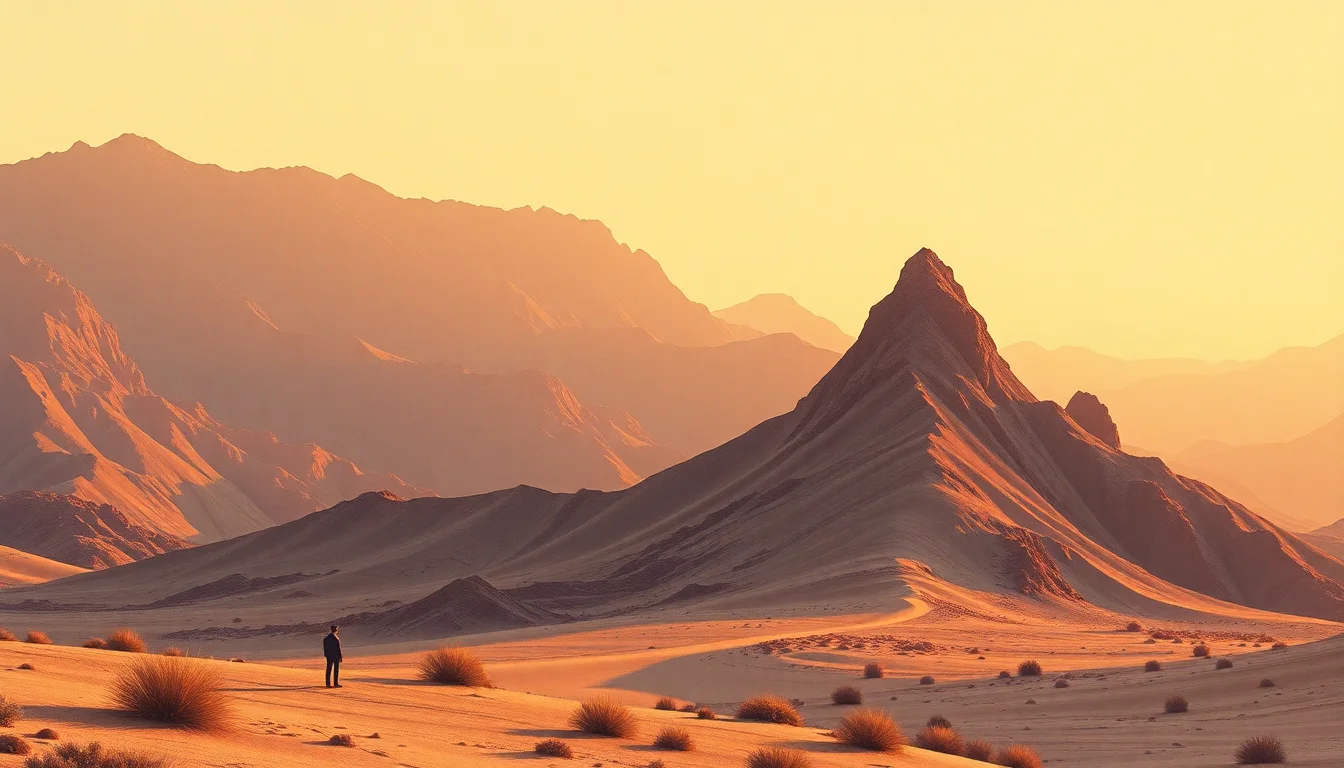
The location and setting of Zabriskie Point were an important part of the film's overall style and atmosphere. The film was shot on location in Death Valley, California, which provided a unique and dramatic backdrop for the story. The film's production team made use of a range of locations, including the Zabriskie Point lookout, which was the film's namesake. The film's use of location shooting created a sense of realism and immediacy, which was reflective of the film's themes of rebellion and social change. The film's setting was also influenced by the work of John Ford, who was known for his use of location shooting in his films. Death Valley was also a significant location for the film, as it provided a unique and dramatic backdrop for the story.
🤝 Cultural Significance and Impact
Zabriskie Point has had a significant cultural impact since its release in 1970. The film's themes of rebellion and social change were reflective of the countercultural movement of the 1960s, and the film's use of location shooting and non-professional actors added to its sense of realism and authenticity. The film has been widely praised by critics, who have noted its innovative use of camera techniques and editing styles. The film has also been influential in the development of the road movie genre, which has included films such as Easy Rider and Thelma and Louise. Zabriskie Point has also been recognized as a significant cultural artifact of the 1960s, and has been preserved in the National Film Registry by the Library of Congress.
📊 Box Office and Reception
Zabriskie Point was a commercial failure when it was first released in 1970. The film received mixed reviews from critics, and it was not widely seen by audiences. However, over time, the film has developed a cult following, and it is now widely regarded as a classic of American cinema. The film's box office performance was disappointing, but it has since become a staple of film studies and a influential work in the development of the road movie genre. Michelangelo Antonioni's other films, such as Blowup and La Notte, have also been widely praised and have had a significant cultural impact.
👥 Controversy and Criticism
Zabriskie Point has been the subject of controversy and criticism since its release. Some critics have argued that the film is overly simplistic and naive in its portrayal of the countercultural movement. Others have criticized the film's use of non-professional actors, which they argue detracts from the film's overall quality. The film has also been criticized for its depiction of women, which some have argued is sexist and objectifying. Despite these criticisms, the film remains a significant and influential work of American cinema, and its themes of rebellion and social change continue to resonate with audiences today. Sam Shepard's involvement in the film has also been the subject of controversy, as some have argued that his contribution to the film's script was not adequately recognized.
🔥 Legacy and Influence
Zabriskie Point has had a lasting legacy and influence on film and culture. The film's use of location shooting and non-professional actors has influenced a range of filmmakers, including Martin Scorsese and Francis Ford Coppola. The film's themes of rebellion and social change have also been influential in the development of the road movie genre, which has included films such as Easy Rider and Thelma and Louise. The film's use of music has also been influential, and the film's soundtrack has been widely praised for its innovative use of popular and psychedelic rock bands. Zabriskie Point continues to be recognized as a significant cultural artifact of the 1960s, and its influence can still be seen in film and culture today.
📚 Historical Context and Analysis
Zabriskie Point can be analyzed in the context of the historical period in which it was made. The film's themes of rebellion and social change were reflective of the countercultural movement of the 1960s, and the film's use of location shooting and non-professional actors added to its sense of realism and authenticity. The film's depiction of the American West and the desert landscape also reflects the film's themes of freedom and rebellion. The film's use of music and its soundtrack also reflect the cultural and historical context of the film's production. Michelangelo Antonioni's other films, such as Blowup and La Notte, can also be analyzed in the context of the historical period in which they were made, and provide a unique insight into the cultural and social changes of the 1960s.
Key Facts
- Year
- 1970
- Origin
- Italy/USA
- Category
- Film and Culture
- Type
- Film
Frequently Asked Questions
What is the significance of the title Zabriskie Point?
The title Zabriskie Point refers to a location in Death Valley, California, where the film was shot. The title is also symbolic of the film's themes of rebellion and social change, as the location is a remote and isolated area that is far from the mainstream of American society. The title has also been interpreted as a reference to the idea of a turning point or a moment of transformation, which is reflective of the film's themes of personal and social change.
Who was the director of Zabriskie Point?
The director of Zabriskie Point was Michelangelo Antonioni, an Italian film director who was known for his work on films such as Blowup and La Notte. Antonioni was a prominent figure in the development of the art film movement, and his films are known for their innovative use of camera techniques and editing styles.
What was the cultural impact of Zabriskie Point?
Zabriskie Point had a significant cultural impact when it was released in 1970. The film's themes of rebellion and social change were reflective of the countercultural movement of the 1960s, and the film's use of location shooting and non-professional actors added to its sense of realism and authenticity. The film has been widely praised by critics, and it has been recognized as a classic of American cinema.
What is the significance of the film's use of music?
The film's use of music is significant because it reflects the cultural and historical context of the film's production. The film's soundtrack features a range of popular and psychedelic rock bands, including Pink Floyd and The Grateful Dead, which were reflective of the countercultural movement of the 1960s. The film's use of music also adds to its sense of realism and authenticity, and it has been widely praised by critics for its innovative use of popular music in the film's soundtrack.
What is the legacy of Zabriskie Point?
The legacy of Zabriskie Point is significant, as the film has had a lasting influence on film and culture. The film's use of location shooting and non-professional actors has influenced a range of filmmakers, including Martin Scorsese and Francis Ford Coppola. The film's themes of rebellion and social change have also been influential in the development of the road movie genre, which has included films such as Easy Rider and Thelma and Louise.
How does Zabriskie Point reflect the historical period in which it was made?
Zabriskie Point reflects the historical period in which it was made by capturing the spirit of rebellion and social change that defined the 1960s. The film's themes of personal and social change, as well as its use of location shooting and non-professional actors, reflect the cultural and social changes of the time. The film's depiction of the American West and the desert landscape also reflects the film's themes of freedom and rebellion, which were reflective of the countercultural movement of the 1960s.
What is the significance of the film's depiction of women?
The film's depiction of women is significant because it reflects the cultural and social attitudes towards women during the 1960s. The film's portrayal of women is often criticized for being sexist and objectifying, as the female characters are often depicted as being passive and submissive. However, the film's depiction of women also reflects the changing roles and expectations of women during the 1960s, as women were increasingly seeking greater independence and equality.