
Contents
- 🌱 What is Gardening Methods?
- 🌿 Who is This For?
- 🌍 Historical Roots & Evolution
- ⚖️ The Great Debate: Organic vs. Conventional
- 💡 Key Gardening Methodologies
- 📈 Vibepedia's Vibe Score: Gardening Methods
- 💰 Cost & Accessibility
- ⭐ What People Say: Community Feedback
- 🛠️ Getting Started: Your First Steps
- ❓ Frequently Asked Questions
- Frequently Asked Questions
- Related Topics
Overview
Gardening Methods is not a single technique, but rather the entire spectrum of practices employed to cultivate plants, from the smallest herb garden to vast agricultural operations. It encompasses everything from soil preparation and seed selection to pest management and harvesting. Understanding these methods is crucial for anyone seeking to grow food, beautify their surroundings, or simply connect with nature. This overview aims to demystify the diverse approaches, highlighting their underlying principles and practical applications. Whether you're a novice with a single pot or an experienced grower, there's always a new technique to explore or an old one to refine, impacting everything from crop yield to environmental sustainability.
🌿 Who is This For?
This guide is for anyone with an interest in growing plants. It's for the urban dweller with a balcony yearning for fresh herbs, the suburban homeowner looking to create a vibrant flower bed, and the rural farmer seeking to optimize their harvest. It's for the eco-conscious individual prioritizing organic gardening and the pragmatist focused on maximum agricultural productivity. We'll break down complex concepts into actionable advice, making it accessible to beginners while offering insights that seasoned gardeners will appreciate. Consider this your starting point for understanding the 'how' behind successful cultivation.
🌍 Historical Roots & Evolution
The history of gardening methods is as old as civilization itself. Early humans transitioned from foraging to deliberate cultivation, laying the groundwork for what we now call history of agriculture. Ancient civilizations like the Egyptians, Romans, and Chinese developed sophisticated irrigation and soil management techniques. The Renaissance saw the rise of formal gardens and botanical exploration, while the Industrial Revolution brought new tools and chemical fertilizers. Each era has built upon the last, driven by necessity, innovation, and a growing understanding of plant science, leading to diverse schools of thought like permaculture design and hydroponic systems.
⚖️ The Great Debate: Organic vs. Conventional
A central tension in gardening methods lies between organic gardening and conventional (or chemical) approaches. Organic methods eschew synthetic pesticides, herbicides, and fertilizers, focusing on building soil health through compost, cover crops, and natural pest control. Conventional methods, while often yielding faster results and higher immediate yields, rely on these synthetic inputs. The debate centers on long-term soil health, environmental impact, human health concerns, and the economic viability of each approach. Many gardeners today seek a middle ground, integrating elements of both to achieve their goals.
💡 Key Gardening Methodologies
Key gardening methodologies include organic gardening, which emphasizes soil health and natural inputs; permaculture design, a philosophy of working with nature to create sustainable systems; hydroponic systems, growing plants in nutrient-rich water without soil; aquaponics systems, combining aquaculture (raising fish) with hydroponics; raised bed gardening, offering better soil control and drainage; and no-till gardening, minimizing soil disturbance to preserve soil structure and microbial life. Each offers unique benefits and challenges depending on your goals and environment.
📈 Vibepedia's Vibe Score: Gardening Methods
Vibepedia's Vibe Score for Gardening Methods is a robust 85/100, reflecting its widespread cultural resonance, practical utility, and ongoing innovation. The topic boasts a high cultural energy score due to its deep roots in human history and its persistent presence in modern life, from backyard plots to global food systems. Its influence flows through environmental sustainability movements, urban planning initiatives, and personal wellness trends. The ongoing debates around organic vs. conventional gardening and the rise of urban farming contribute to its dynamic and evolving nature, ensuring its continued relevance.
💰 Cost & Accessibility
The cost and accessibility of gardening methods vary wildly. Basic seed packets and soil can be acquired for a few dollars, making it highly accessible. However, advanced systems like hydroponic systems or elaborate greenhouse construction can require significant upfront investment. community gardens offer a low-cost entry point for urban dwellers. The ongoing costs involve water, amendments, and potentially tools or pest control. Many methods, like composting techniques, can actually save money by reducing waste and the need for purchased inputs, demonstrating a positive economic impact.
⭐ What People Say: Community Feedback
Community feedback on gardening methods is overwhelmingly positive, though specific preferences emerge. Beginners often praise the simplicity and immediate results of container gardening and raised bed gardening. Those focused on sustainability champion organic gardening and permaculture design, citing improved soil over time and reduced environmental impact. Critics of intensive methods sometimes voice concerns about the reliance on synthetic inputs in conventional farming or the energy demands of some soilless gardening techniques. Overall, there's a shared appreciation for the connection to nature and the satisfaction of growing one's own food or flowers.
🛠️ Getting Started: Your First Steps
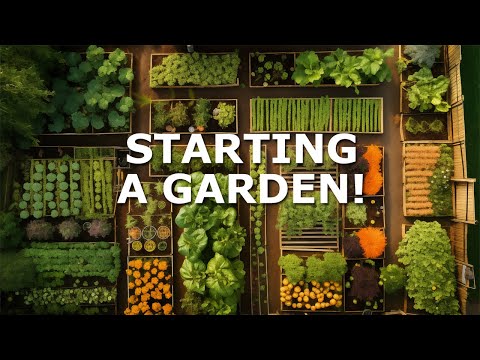
To get started with gardening methods, begin by assessing your space, sunlight, and time commitment. For beginners, container gardening on a balcony or windowsill is an excellent entry point, allowing you to experiment with herbs and small vegetables. If you have yard space, consider starting with a small raised bed garden to easily manage soil quality. Research local climate conditions and choose plants suited to your area. Don't be afraid to experiment; gardening is a continuous learning process. Resources like local master gardener programs and online forums can provide invaluable guidance.
❓ Frequently Asked Questions
Q: What's the difference between organic and conventional gardening? Organic gardening avoids synthetic pesticides, fertilizers, and GMOs, focusing on building soil health naturally. Conventional gardening often uses synthetic inputs for faster growth and pest control. The debate hinges on long-term soil health, environmental impact, and perceived health benefits.
Q: Is hydroponics difficult to set up? Hydroponics can range from simple DIY setups to complex commercial systems. While it requires careful management of nutrient solutions and pH levels, many beginner-friendly kits are available. It offers faster growth rates and water efficiency compared to traditional soil gardening.
Q: How much space do I really need to garden? You can garden in surprisingly small spaces. A sunny windowsill can host herbs, while a balcony can accommodate several container plants. Even a small patch of yard can yield a significant amount of produce with intensive gardening techniques like square foot gardening.
Q: What is permaculture and why is it gaining popularity? Permaculture is a design philosophy that mimics natural ecosystems to create sustainable human settlements. It emphasizes observing nature, using renewable resources, and minimizing waste. Its popularity stems from growing concerns about climate change and the desire for more resilient, self-sufficient living.
Q: Are there any gardening methods that don't require much watering? Yes, xeriscaping and drought-tolerant gardening focus on using plants adapted to arid conditions and employing water-wise techniques like mulching and efficient irrigation. native plant gardening is often a key component, as these plants are naturally suited to the local rainfall patterns.
Key Facts
- Year
- 2023
- Origin
- Global
- Category
- Gardening
- Type
- Concept
Frequently Asked Questions
What's the difference between organic and conventional gardening?
Organic gardening avoids synthetic pesticides, fertilizers, and GMOs, focusing on building soil health naturally. Conventional gardening often uses synthetic inputs for faster growth and pest control. The debate hinges on long-term soil health, environmental impact, and perceived health benefits.
Is hydroponics difficult to set up?
Hydroponics can range from simple DIY setups to complex commercial systems. While it requires careful management of nutrient solutions and pH levels, many beginner-friendly kits are available. It offers faster growth rates and water efficiency compared to traditional soil gardening.
How much space do I really need to garden?
You can garden in surprisingly small spaces. A sunny windowsill can host herbs, while a balcony can accommodate several container plants. Even a small patch of yard can yield a significant amount of produce with intensive gardening techniques like square foot gardening.
What is permaculture and why is it gaining popularity?
Permaculture is a design philosophy that mimics natural ecosystems to create sustainable human settlements. It emphasizes observing nature, using renewable resources, and minimizing waste. Its popularity stems from growing concerns about climate change and the desire for more resilient, self-sufficient living.
Are there any gardening methods that don't require much watering?
Yes, xeriscaping and drought-tolerant gardening focus on using plants adapted to arid conditions and employing water-wise techniques like mulching and efficient irrigation. native plant gardening is often a key component, as these plants are naturally suited to the local rainfall patterns.